From streamlining operations to enhancing creativity, artificial intelligence is becoming an influential player behind the bar. AI applications for the on-premise are varied and vast, ranging from menu creation and inventory management to guest data analysis and marketing assistance, and tech-savvy bartenders are taking note. Employing AI for mundane but necessary business functions—like calculating costs and cost-saving measures, planning cocktail prep lists, and drafting training materials and manuals—frees up time for bartenders to do what they do best: make drinks and engage with guests.
“AI can’t shake a cocktail, but it can cut down on work behind the bar,” says Marcus Merritt, general manager of Atlanta Caribbean kitchen and rum bar Wylie & Rum. “AI is beginning to reshape the cocktail world by speeding up creativity, improving consistency, and giving operators new tools to better serve guests. AI is well-suited as a support system. It’s not here to replace the human craft but rather to make bartenders more effective. By removing the mental load, bartenders can put their energy where it matters most.”
Wylie & Rum uses AI to create new cocktail recipes, write training materials for new bartenders, create prep sheets and checklists, and design marketing materials for the bar. For example, Merritt says after launching a new rum punch for a festival, AI helped him generate a branded recipe card, made a catchy name for the drink, and drafted photo captions for social media promotion. Wylie & Rum was one of a handful of bars nationwide selected to beta-test ToastIQ, an AI portion of the restaurant tech platform Toast, and it also uses chatbots like ChatGPT.
Merritt sees nothing but upswing for AI applications at the bar. He notes that the bar industry often struggles with labor costs, turnover, and slim margins, and he says that AI can help modernize operations that address those critical areas. AI can maintain inventory control and make suggestions to reduce waste, as well as propose new flavor pairings and suggest cost-effective substitutes for recipes.
“Just as social media changed how we market cocktails, AI will change how we create and deliver them,” Merritt adds. “The future of cocktail culture will still be led by bartenders, but they’ll have smarter, faster tools in their back pockets. AI won’t replace bartenders—the craft, personality, and connection behind the bar is the heartbeat of hospitality—but it will reshape support roles. It’s like having a digital brainstorming partner who never runs out of ideas.”
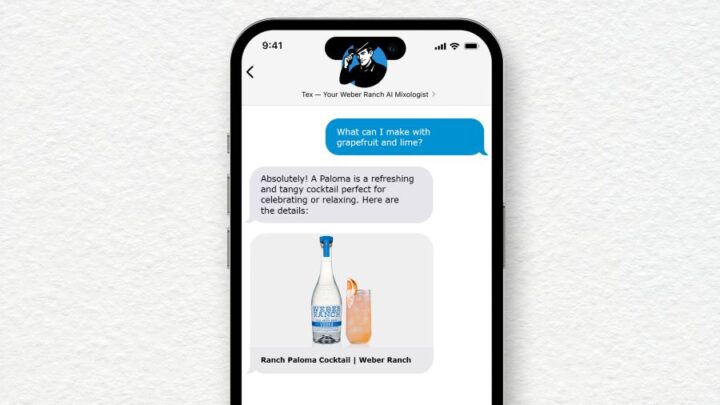
Suppliers and producers are also using AI tools and working with bartenders to perfect them. Round 2 Spirits debuted its AI tool “Tex” in August, calling it an AI-powered mixologist that integrates with SMS text messaging, allowing consumers to engage with the company’s Weber Ranch 1902 vodka and receive help and support for at-home mixology. Tex is “trained” by mixologists, as Round 2 Spirits consulted with bartenders across the country to contribute recipes and provide consumer-friendly insights. “Without their experience and insight, Tex cannot learn and grow in meaningful ways or deliver useful solutions to consumers,” Round 2 Spirits president and COO Lee Applebaum says.
Applebaum believes that as AI gains more widespread acceptance, both consumers and the trade will realize its value. He notes that since its launch just a few months ago, Tex has seen significant engagement and interest from both consumers and the on-trade. “AI has the promise to deliver actionable insights that help the trade make better decisions for consumers and their businesses,” Applebaum adds. “Imagine systems that not only help the trade optimize what spirits and cocktails should be offered at the bar, but also can autonomously look at what’s going on in the competitive landscape, make recommendations on changes or additions to a menu or offering, and even source the brands and ingredients necessary to deliver those cocktails.”
Applebaum notes that AI isn’t in danger of stealing human bartender jobs, but it can augment their work and enhance the overall bar experience. “AI isn’t mixing drinks with the care and precision that only an experienced bartender can deliver, and it isn’t sharing stories and smiles in real time with customers,” he says. “But it’s unquestionable that it will play a role. When it’s harnessed to enhance the culture of hospitality and focus on the consumer, it’s a win for everyone.”