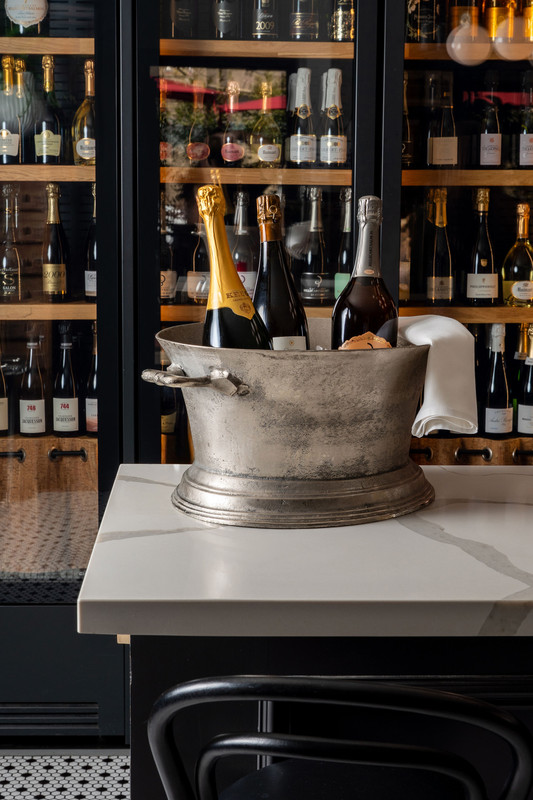
With all the uncertainty surrounding tariffs, it can be difficult to ascertain whether growing demand for imported sparkling wine is organic or a function of early, pro-active measures to stock-load ahead of cost increases. But according to some retailers and restaurateurs, the demand bump is real. “We’ve definitely seen a lift in Champagne and premium sparkling across our programs,” says Amy Racine, beverage director and partner at JF Restaurants, which owns restaurants across the U.S. including The Edition Times Square in New York. “It doesn’t feel panic-driven or tied to tariffs so much as a genuine return to celebratory drinking.”
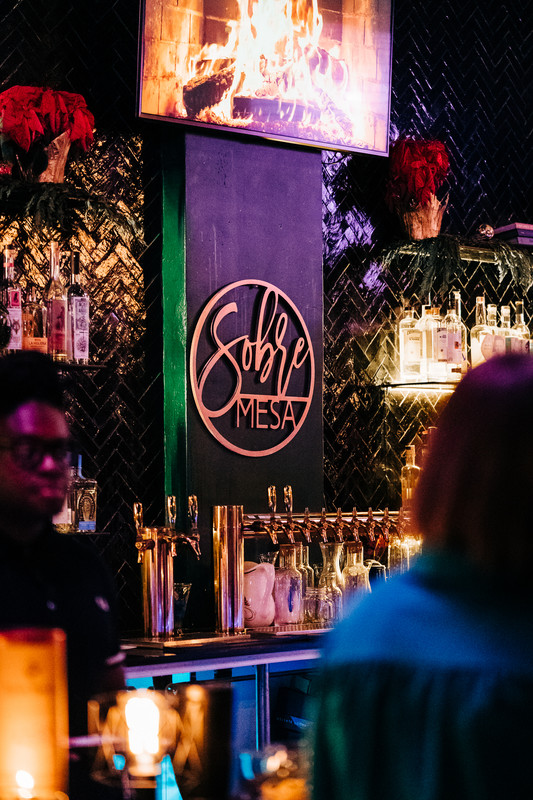
At Sobre Mesa in Oakland, California, chef and owner Nelson German has witnessed “a huge uptick from early summer all the way through now” on sparkling wine demand, especially rosé. “People are celebrating again—graduations, birthdays, even just being out with friends—and bubbles fit that energy perfectly,” he says.
Jon Halper, owner and CEO at Top Ten Liquors in Minneapolis, agrees, noting that “sparkling is having a great moment right now.” According to Halper, branded sparkling has seen “real growth” in particular. “We’re seeing success with national brands like La Marca and competing brands like 90+ Prosecco, as well as with higher-end known brands like Veuve Clicquot, which is still a powerhouse,” he says. “Sparkling is not just to celebrate big events, it’s become an everyday upgrade.”
But while enthusiasm is apparent among at least some restaurateurs and retailers, brand owners and marketers are feeling a bit more cautious. “There was certainly stock-loading that affected export figures to the United States in the first quarter of the year in particular,” says Alexander Michas, president and COO of Vintus, which imports Champagne Bollinger. “When we look at actual sales in the market, we see that sparkling wines are outperforming still wines, but the trends are still negative across the board—value, volume, distribution, and velocity.”
Irene Habermeier, senior director of marketing for Folio Fine Wine, says her company chose to bring in additional stock this year. “We’ve seen higher shipments, particularly among imported wines, as suppliers take precautionary steps to mitigate the potential impact of tariffs and maintain stable pricing,” she says, noting that the increase is affecting all imported wine categories. In fact, Habermeier points to data from U.S. Customs, analyzed by the Interprofessional Wine Association, that shows that wine imports reached 328.5 million liters between January and March, representing a 3.9% increase compared to the same period last year.
Of course, both supplier caution and consumer enthusiasm can be true. “While we saw some early stock loading ahead of tariffs, consumer take-out remains strong overall,” says Britt West, chief commercial officer at Spirit of Gallo. He also notes “solid trends for our domestic sparkling brands, most notably André.”
Halper also maintains that this isn’t just a shipments move. “If there’s any stocking going on, it’s happening at the distributor level,” he says. “What we’re seeing in stores is real, organic demand. Consumers may be drinking less often, but they’re drinking better—and sparkling hits that sweet spot.”
The current dynamism represents a shift from last year, when sparkling wine as a category suffered declines. The total imported sparkling wine market declined 3% to 12.93 million cases in 2024, according to Impact Databank. The over-$35 a 750-ml. sector of French wines, where virtually all Champagnes reside, slumped 5.7%. Italian imports, made up mostly of Prosecco, declined 0.9%, while Spanish sparklers managed a 2.5% increase last year.
Domestic sparkling wines fared worse, registering a 5% drop in 2024 to 9.8 million cases, according to Impact Databank. Brands retailing for more than $15 a 750-ml. combined for a 4.2% drop, while those below that price level suffered combined losses of more than 8%.
Champagne Surge
So far this year, many industry professionals say Champagne has been driving an uptick in demand. Marcelo Aguero, president and CEO of Kobrand Fine Wine & Spirits, says Champagne Taittinger has grown at double-digits this year. “We have seen that growth comes from across the line up from the Brut, Brut Rose, and the prestige cuvées like Comtes de Champagne performing extremely well,” he notes.
Michas sees similar dynamism for Champagne Bollinger. “Bollinger has had a strong last 12 months and is up over 15% this year,” he says. “That is not a normal performance in the wine industry this year. In this market we have seen Special Cuvée, in particular, take off, which, given the dip in sales at higher price points we see across our portfolio, makes sense,” he says, noting that the non-vintage label retails for under $100 a 750-ml.
Habermeier says that Piper-Heidsieck is up 7%, with particularly strong gains in the off-premise channel, while Charles Heidsieck and Rare Champagne “are also trending quite strongly, performing well in both on-and off-premise.” But she also sounds a note of caution given current economic conditions. “Even everyday luxuries feel the pinch when essentials cost more,” she says. “With higher costs for groceries and interest rates, some consumers are trading down within the category, opting for more accessibly priced sparkling wines or enjoying Champagne less frequently.”
At the restaurant and bar level, many professionals say they simply aren’t seeing much in the way of softness in Champagne demand. “We have seen a distinct upwards trend in Champagne bottle sales, ranging from the ‘just because’ price point to the ‘major celebration’ spend,” says Mary Martin, general manager and sommelier at Tasting House in Los Gatos, California, noting that “Blanc de Blancs and Brut Nature in particular seem to be where the excitement is right now. We do have guests ordering Prosecco and sommeliers tend to geek out a bit about other sparkling options that we offer, but that’s just not what people are looking for at the moment.”
Other Imports
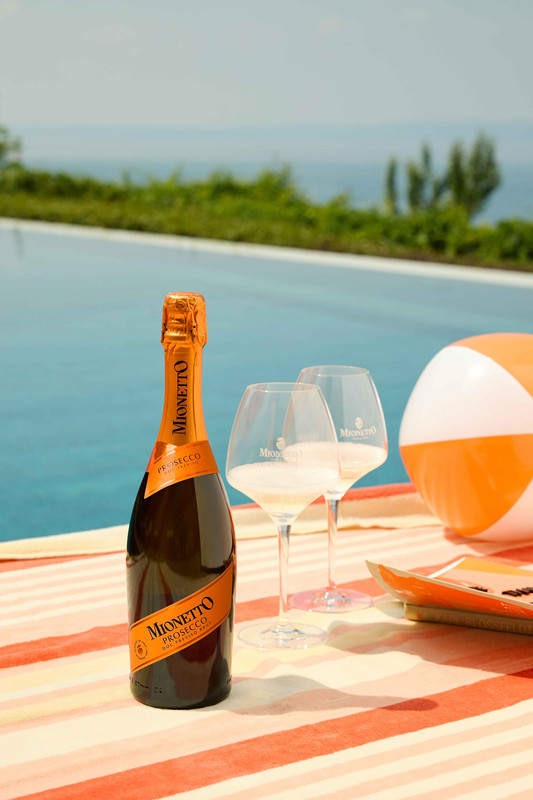
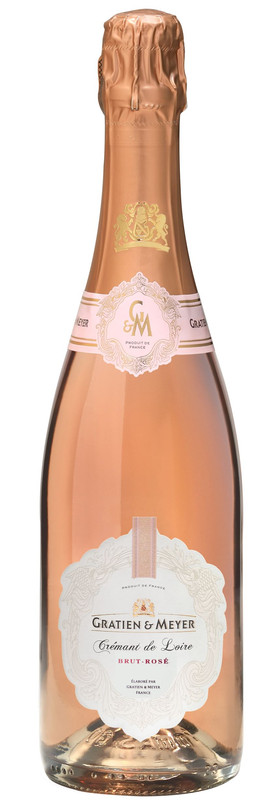
Last year, the major imported non-Champagne sparkling wine segments fared relatively well. This year, many say the momentum has shifted to Champagne but some imported sparkling wine marketers say their brands are bucking a downward trend. “Mionetto [Prosecco] continues to outperform the category and competitors, and distribution is increasing,” says Enore Ceola, president and CEO of Freixenet Mionetto USA. Mionetto advanced 3.3% last year to 992,000 cases, according to Impact Databank. “Freixenet and Segura Viudas [both Cavas] are holding steady despite increased pricing compared to 2023-2024,” he continues, also noting that Gratien & Meyer Crémant, a non-Champagne French sparkler is “outperforming the category by double digits.”
Gallo’s West says La Marca—the largest Prosecco brand in the U.S. at more than three times the size of its nearest competitor—is also maintaining momentum. “La Marca is showing great growth overall and is the only Prosecco in the top three to have velocity growth year-to-date,” West claims. “The Prosecco consumer is particularly devoted, as this segment sustained and grew through inflationary pricing adjustments across alcohol beverage in 2022 and 2023. As the leader in the category, we believe it’s important for Prosecco to remain at an accessible price point for consumers. For us, that means remaining under $20 a 750-ml. nationally for La Marca.”
That could be challenging as new tariffs take hold. “Tariffs and economic uncertainty are just one part of the equation,” West says. “We have to acknowledge that the industry is in flux. To reverse these trends, we have to explore and expand new occasions and target new consumer demographics.”
Increases On The Horizon?
Several imported sparkling wine marketers says they are committed to holding prices steady, at least for the short term. The tariff on wines from the European Union was 15% at press time. Aguero of Kobrand notes that the impact is widespread across his company’s sparkling portfolio, which includes Taittinger Champagne, Bouvet Ladubay from France, Caposaldo Prosecco, Poema Cava, and Alta Vista (which as an Argentinian wine incurs a 10% tariff).
“Currently we have been collaborating with our producers to mitigate the impact of these tariffs, but we do anticipate some changes in pricing as we head into 2026 if we do not see some relief,” Aguero says. “At the end of the day tariffs are not going to be a good thing for consumers and we remain optimistic that there will be some changes in the near term.”
Michas of Vintus says prices will hold on Champagne Bollinger through the end of the year. He notes that “some suppliers have sought to maintain continuity for consumers in the near term, but we understand others are starting to increase prices. Margins at the supplier, importer, and distributor level are not high, and we expect that higher prices will begin to surface in the market this fall. The wine industry is already navigating several challenges, including broader cost pressures, and we have seen how pricing shifts over the last 18 months have influenced sales more than ever. Ultimately, consumers are very clear on what they value and what they are comfortable spending.”
For the sparkling wines in the Freixenet Mionetto portfolio, Ceola says the company is “doing our best to minimize disruptions to our portfolio and provide stability, along with the proper pricing, to give our customers the confidence to stand behind our products. Wineries and importers are facing unfavorable exchange rates, an increase in [cost of goods sold], and now tariffs. This trifecta is impacting imported goods, which will result in price increases, and many companies will need to react.”
California Positioning
California sparkling wines have ceded ground to their imported counterparts in recent years, but some say they’re poised for a rebound. “We’re seeing a shift—not necessarily a trade-down, but a move toward quality with accessibility,” says German of Sobre Mesa. “Brands like Chandon are doing a great job. Their expansion and seasonal offerings are smart and their identity is standing strong. Schramsberg is another standout. That’s a go-to bottle when someone wants to mark the moment. Same with J Vineyards’ Cuvée—it’s elegant, well-balanced, and approachable. People still love Prosecco and Cava, but this year, there’s a bigger interest in the Champagne style—not always at Champagne prices, but with that same celebratory feel.”
The looming price increases on imported sparklers could add an advantage to the domestic sector, where sales have been soft in recent years. “As tariffs begin to affect imported wines, we’re hopeful that consumers seeking alternatives will discover the dynamic quality and character of wines from Napa, Sonoma, and across California, rather than simply defaulting to a replacement,” says Habermeier of Folio Fine Wine Partners, whose domestic labels include Piper Sonoma, Michael Mondavi Family, Oberon, and Spellbound.
Similarly, Aguero of Kobrand notes that California sparkling wine brand Domaine Carneros “should gain a competitive edge with its $35 Brut Cuvée, capturing market share from pricier imports.” He notes, however, that EU-sourced glass bottles, corks, and other materials incurring a 15% tariff, could add more costs across all brands.
Domaine Carneros CEO Remi Cohen is focused on raising the brand profile. “Speaking from a direct-to-consumer perspective, we are seeing a solid start to the first half of 2025,” Cohen says. “Our overall DTC revenue is up 2% through June. While we are experiencing lower bottle sales, elevated experiences and winery events are making up for the shortfall. This reflects broader DTC trends emphasizing experiential offerings, and we have strategically invested in our culinary program and developed creative, engaging tasting experiences such as our ‘Bubbles & Bites: The Art of Sparkling Wine’ pairing, which features a seasonally changing menu inspired by different global cuisines.”
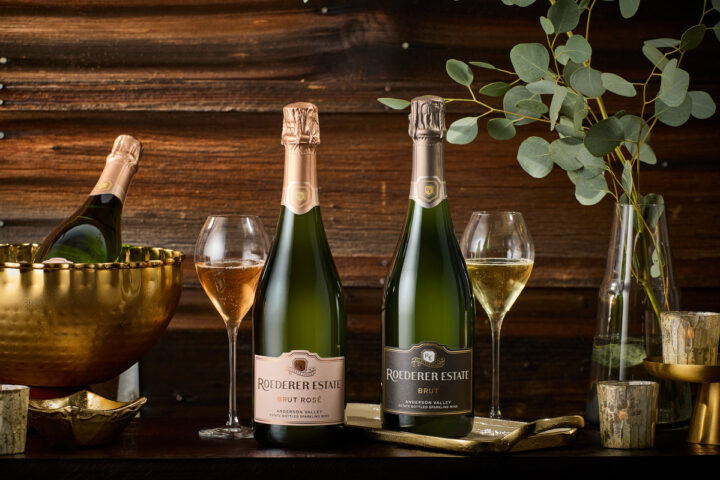
Nicole Carter, president of U.S. wineries for the Roederer Collection, says she’s not counting on higher prices on imports to shift the dynamic. She says domestic sparkling wine is “showing signs of hope in the $25-$40 price point where Roederer Estate plays.” For imports, “I think it will take some time to see material change at shelf—inventory stateside is a factor as well as how much will be passed on to the consumer. On the domestic side, we are looking to capture new consumers with our U.S. wines made in California. Domestic sparkling wine is still a discovery for many consumers and one that delivers value in a time when consumers are seeking value. The timing is right to bring them into the category, and we are constantly looking for trial opportunities.”
Innovation Amidst Uncertainty
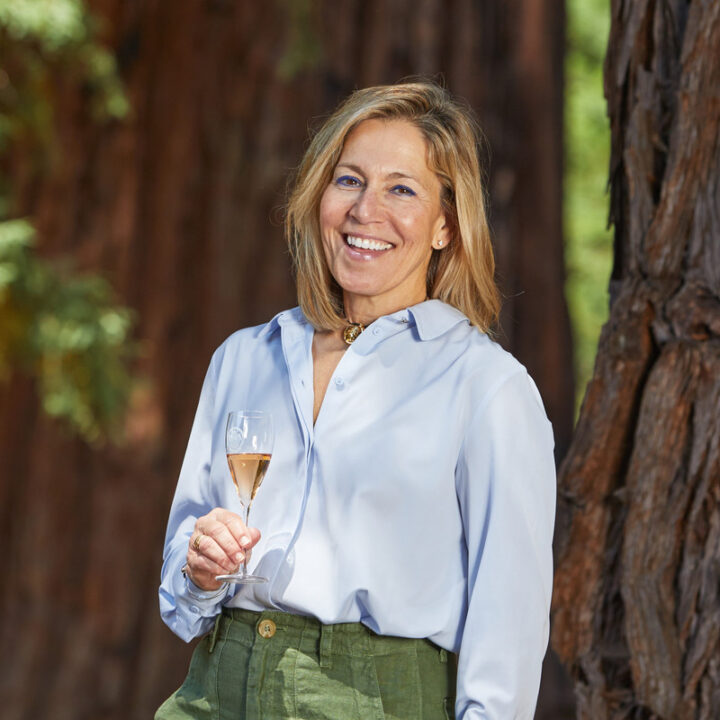
No matter the wine’s origin, sparkling wine marketers are cognizant that the issues of decelerating wine consumption and an unstable economy are hurdles to growth. Each is seeking to differentiate their brands to draw in new consumers. Carter says Roederer Estate’s long-term strategy for a “Roederer renaissance” is beginning to pay off. Efforts include launching new, single-vineyard sparkling wines, investing in a redesign of the winery’s visitor center, and a packaging refresh that will roll out by this year’s holiday season. “Strong brand equity is key and continuing to invest in building brand awareness is our focus,” she says.
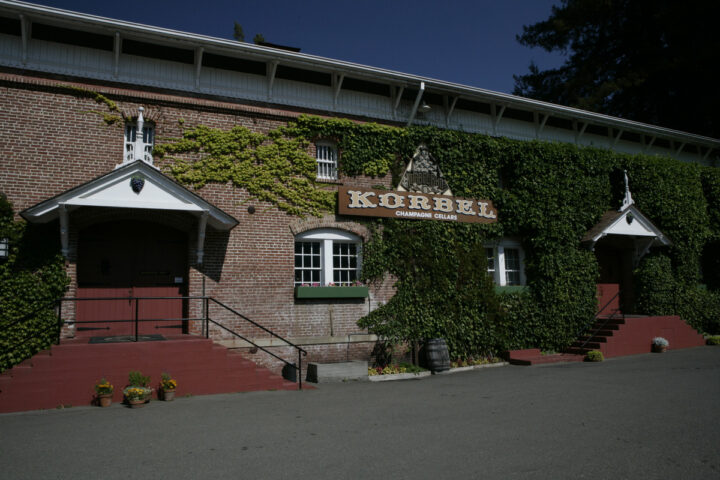
In May 2025, Freixenet Mionetto USA added Korbel Champagne Cellars to its portfolio. With that iconic brand and with Gloria Ferrer’s recent organic certification, “we believe we can attract new consumers to sparkling wine,” Ceola says. Portfolio-wide, “we continue to invest in trade activities, consumer marketing, and leveraging our social presence, plus in-person events,” he adds. “Despite the headwinds, we continue to invest heavily in digital and experiential online consumer events and at the point of purchase.”
For both Piper-Heidsieck and California-produced counterpart Piper Sonoma, “we focus on competitive on-premise pricing, while in off-premise, we continue to innovate with disruptive, eye-catching VAPs and strong digital storytelling,” Habermeier says. “We’re investing heavily in social media to connect with younger drinkers discovering sparkling wine in new ways. We’re also committed to unique, collectible offerings that drive ‘must-have’ appeal, and to high-visibility consumer events—such as the Miami Open for Champagne and the California Wine Festival for Piper Sonoma. I believe you can’t win in this market by being louder, you win by being more memorable.”
Cultural connections and relevancy, not mass marketing, are the building blocks to long-term success, says Gallo’s West. “We are differentiating by investing in ideas, partnerships, and people that authentically reflect our consumers,” he says, pointing to La Marca’s partnerships with influencers like Paige DiSarbo and integrations into television shows like “Emily in Paris.” Gallo is also “deeply committed to targeting new consumer demographics and expanding sparkling wine’s relevancy into more consumption occasions.” One example of that commitment is André being named the official sparkling wine of the NFL, a sports franchise not typically associated with sparkling wine.
For all sparkling wines, while challenges facing the category are not insignificant, the consumer move toward lighter, brighter beverages is a plus. At Carversteak, a restaurant in Resorts World Las Vegas, master sommelier Lindsey Geddes says guests—particularly younger consumers—are gravitating toward lower-ABV options, and wine-based cocktails, in particular, have become increasingly popular.
This past summer, Carversteak debuted Le Spritz Bar, a pop-up that showcased original Spritz creations. The success of the concept “suggests that while Champagne may remain tied to special occasions, consumers are embracing sparkling wine and sparkling cocktails as a versatile base for lighter, more casual drinking occasions.”
Taking a step further, some marketers are seeing dynamism with non-alcoholic sparklers. Kobrand’s Aguero, for example, notes that Pierre Chavin Sparkling “taps into the 7% annual growth of non-alcoholic beverages, resonating with health-conscious consumers.” Ceola of Freixenet Mionetto also says that “our alcohol-removed sparkling wines continue to shine.”
No matter the alcohol content, the origin, or price, marketers are focused on broadening the consumer base and ensuring a vibrant future for their brands. “We want to reach the consumer whether they are looking for the highest quality Champagne or value driven Cava or Prosecco,” says Aguero, noting those efforts include activations at key events and interactions in the digital ecosystem. “The sparkling wine occasion continues to evolve and change in the U.S., and we want to ensure our wines are there.”