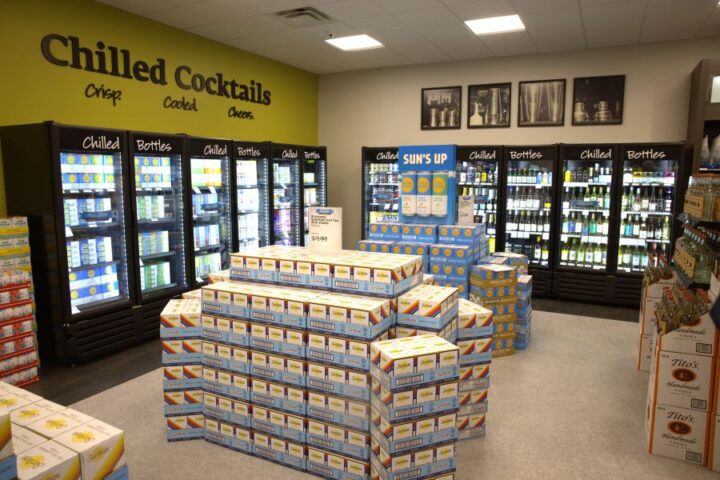
Customer service has new meaning this year for beverage alcohol retailers as they renovate, tweak inventory, and fine tune technology and communications. “We will continue renovating stores to optimize consumer experience, this year tackling 23 store projects to provide bright, welcoming environments and redefine checkout paths to minimize register wait times,” says Darrell Clarke, chairman, Pennsylvania Liquor Control Board (PLCB). “We’re also tailoring product assortments and merchandising to match customer preferences, specifically increasing assortment share among the growing RTD and ready-to-serve categories and pulling back in underperforming areas. Sales show consumers value their convenience, and we expect more RTD packaging like tetra packs and other small formats.”
This spring, the PLCB plans to upgrade its point-of-sale systems. “Our buy-online, pick-up-in-store option is gaining favor with customers, and we’ll further communicate the convenience of this channel to them,” Clarke says, adding that the PLCB is responding to the changing market by better aligning its assortment with consumer occasion and demand for at-home consumption. “We want to better communicate with our customers and increase awareness of new and exciting items,” he says. “Niche products with premium price points in the Tequila and whiskey categories will continue trending with a growing fan base.”
While beverage alcohol consumption was down nationwide last year, the PLCB experienced little to no impact from tariffs on its business and prices. “There is always the possibility that may change, but only time will tell, and we will react accordingly,” Clarke says.
The PLCB is also looking boost business around major events this year. “Despite headwinds, this spring and summer provide unique and exciting event-based opportunities in Pennsylvania for beverage alcohol – the NFL draft in Pittsburgh in April, six FIFA World Cup matches in June and July in Philadelphia, and the nation’s 250th birthday, which will feature events across the Keystone state, especially in Philadelphia, America’s birthplace,” Clarke says.
In Miami, Florida, Andrew Mendez, vice president of operations at the three-unit convenience store chain Mendez Fuel, notes beverage alcohol faces serious competition from THC-beverages and is under pressure from price-sensitive consumers. On the bright side, the University of Miami’s Hurricane football team’s run to the NCAA College Football National Championship has been good for business. With the championship game versus the University of Indiana Hoosiers scheduled for Monday, January 19 at Hard Rock Stadium, Miami Gardens, Florida, beverage alcohol sales are poised to surge. The stadium is, after all, the home field for the Hurricanes and the NFL’s Dolphins team. “The University of Miami being in the national college football championship is helping us,” Mendez says.
What’s trending at the Mendez stores are sales of single-serve, 19-ounce beers, RTDs, and super-premium and premium wines. “The Voodoo Ranger, Lagunitas IPA, and Blue Moon Extra (each $4 a 19-ounce can) are constantly moving,” Mendez says.
High Noon ($23 an 8-pack of 12-ounce cans) and Beatbox ($4.49 a 16.9-ounce container) are leading Mendez’s RTD sales. “People are buying more of the High Noon eight-packs than singles. People are realizing it’s a better bang for the buck,” Mendez says. “Beatbox is constantly moving in all three of my stores. Mango and pink lemonade do well. You have to go with the hot hand.”
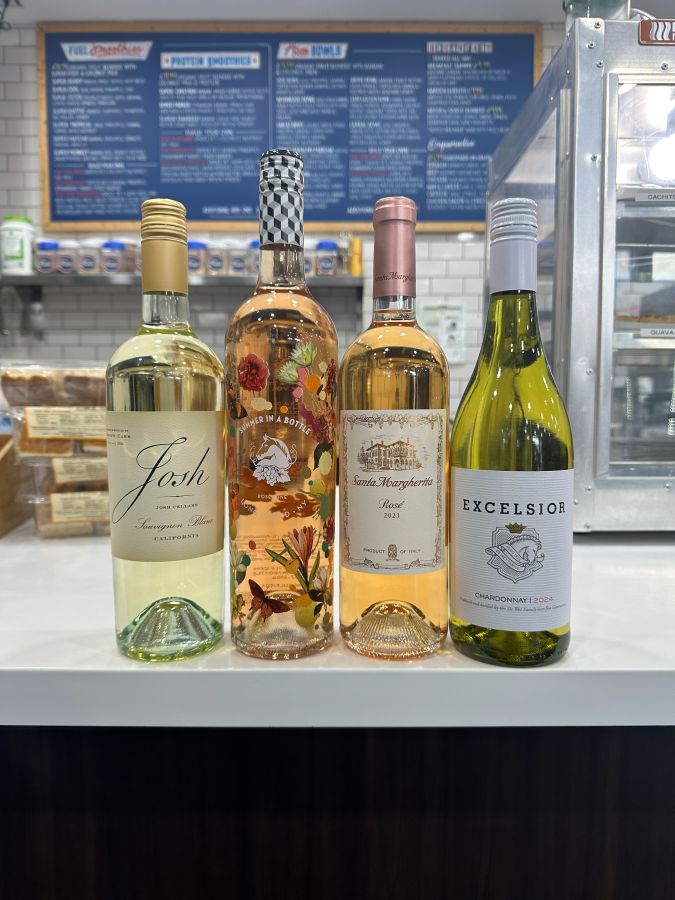
Top-selling wine brands at Mendez include Josh Cellars ($15 a 750-ml.), South African Excelsior Chardonnay ($11 a 750-ml.), Summer In A Bottle Côtes de Provence Rosè ($26), and Santa Margherita Rosè ($20). “I have been getting more consistent hits on some rosè wines,” Mendez says.
In other action, Mendez is changing the posters on his storefront windows, continues to create promotional Instagram Reels and is looking for a college social media influencer. “We have a lot of beers on the posters and we’re looking to put some wines on the windows,” Mendez says. “We haven’t done an influencer to really target an audience for us. We’ll see if it makes any difference.”
At Viscount Wines & Liquor in Wappingers Falls, New York, spirits-based RTDs, wines in the $15-$20 price range, and box wines show strong growth trends. “We noticed this past year more than before that canned cocktail sales didn’t drop precipitously after Labor Day,” says store manager Matthew Landolt. “We still have success mostly with a few top brands, so expanding the category is not necessarily in our plans.”
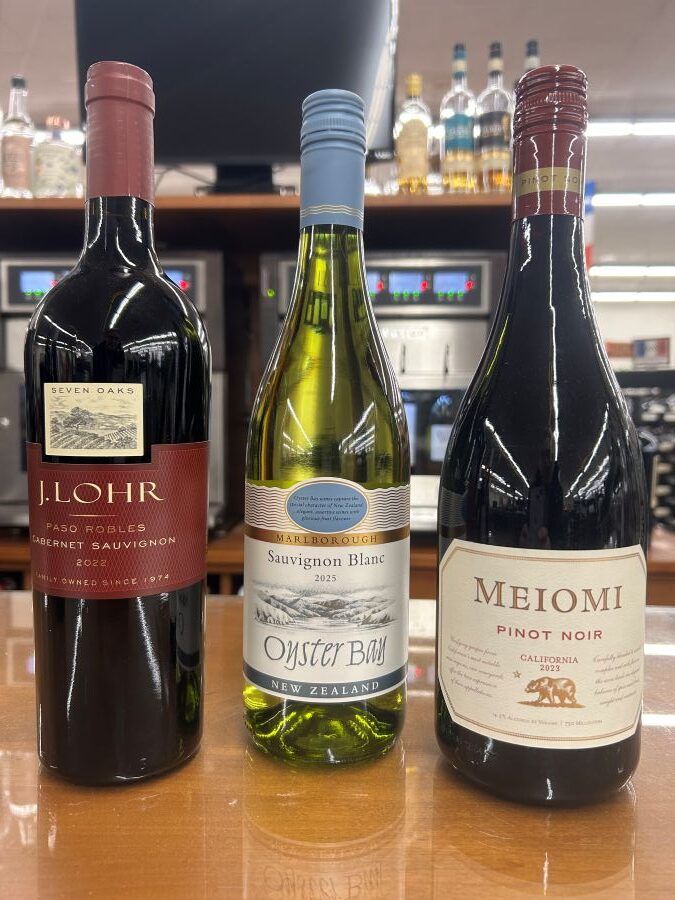
J Lohr Paso Robles Cabernet ($17 a 750-ml.), Meiomi Pinot Noir ($20), and Oyster Bay Marlborough Sauvignon Blanc ($16) lead sales of wine brands costing more than $15 at Viscount. “Wines costing more than $15 a bottle should do well if people drink less often and then want to drink ‘better,’” Landolt says. “Box wines continue to thrive because of the cost effectiveness.”
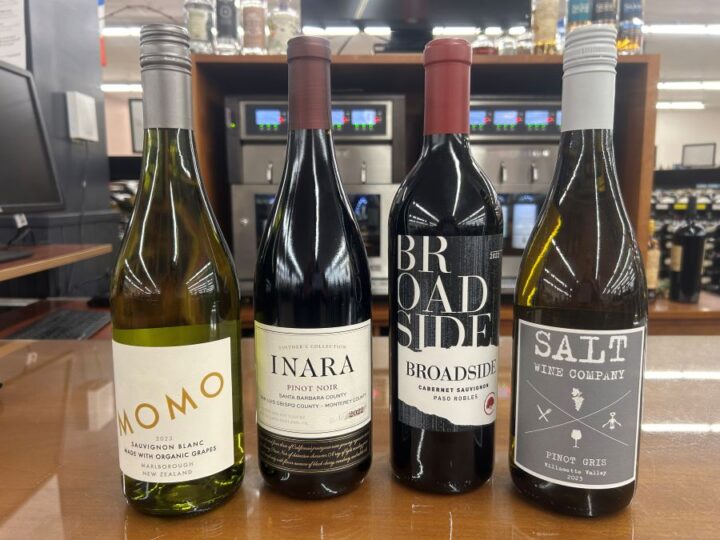
The retailer also looks for lesser-known, high-quality brands its staff can recommend as an alternative to major brands. Such brands include Broadside Paso Robles Cabernet Sauvignon ($17 a 750-ml.), Inara Santa Barbara Pinot Noir ($18), Momo Marlborough Sauvignon Blanc ($16), and Salt Wine Company Willamette Pinot Noir ($17).
While a significant investment is being made into Viscount’s heating, ventilation and air conditioning (HVAC) system this year, Landolt expressed concerns about industry trends and noted tariffs have caused price increases in many categories, including domestic products since some companies buy imported supplies. “I expect many companies to take advantage of the government’s inconsistent tariff policies and raise prices again this year,” he says.
Despite downward pressure, some retailers remain upbeat. “The retail and consumer landscape continues to change, and we are evolving with it,” Clarke says. “We expect continued focus on product innovation in new categories, flavors, and expressions.”