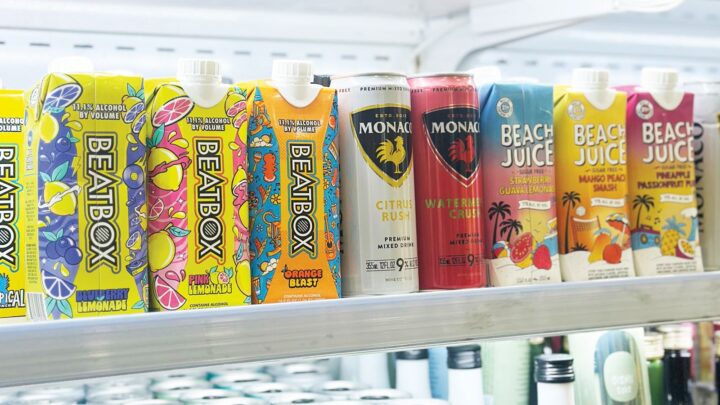
While wine sales in the U.S. continue to slump as the category’s prime customer base ages, an emerging segment is targeting entry-level drinkers, providing hope that these new consumers can help guide the fate of the industry in years to come. “Wine-based RTD (ready-to-drink) products are expanding the reach of traditional wines by attracting new consumers and catering to diverse occasions,” says Britt West, chief commercial officer at Gallo. “They feature innovative flavors and convenient, shareable packaging, and that appeals to younger legal-drinking-age consumers, while creating fresh opportunities in wine and welcoming new consumers in a fun, approachable way.”
Indeed, wine RTDs are the industry’s hottest segment. According to NielsenIQ, for the 52 weeks ended December 27, 2025, dollar sales of wine-based cocktails surged 30% to $1.2 billion in off-premise channels, including grocery, drug, mass merchandise, dollar, convenience, and liquor stores. That follows similar growth in the year prior, with Impact Databank reporting that the segment was the only wine type to increase in volume and gain share in 2024, reaching a still-small but growing 3.3% stake. Wine RTDs reached roughly 15 million 9-liter cases in 2025, according to Impact Databank, up from 12 million cases in the year prior.
Shifting consumer preferences and a wave of new entries is helping to drive the trend. “RTD wine-based cocktails resonate particularly well with Gen Z and younger millennials who are less brand loyal than older consumers and more occasion-driven,” says Brie Wohld, vice president of marketing at Trinchero Wine & Spirits, producer of the Atomic Boss brand. That fledgling cohort is open to experimentation and new flavors and seeks out brands that are “visually engaging and shareable, particularly on social media,” she adds. “This dynamic is bringing new energy and new consumers into the wine category.” Of course, wine-based RTDs—just like their malt- and spirits-based competitors—are also benefitting from the overall movement toward drinks with reduced abv levels and convenient, eye-catching single-serve packaging.
‘On-Trend’ Opportunities
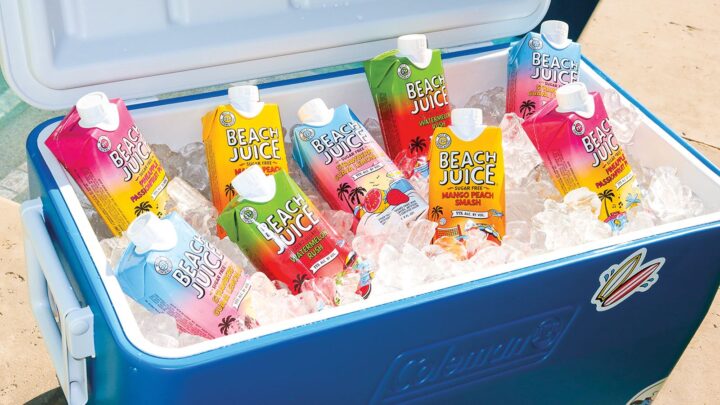
With wine-, malt-, and spirits-based RTDs now prevalent, industry professionals point to the benefits the former provides to trade members and consumers. Wine RTDs give marketers “the opportunity to discuss the natural sugars, fruit base, and processes used” versus malt and spirits RTDs, says Alex Koral, regulatory general counsel at Sovos ShipCompliant, which advises beverage alcohol companies on federal and state compliance matters. Using a canned Margarita beverage as an example, he notes that a wine-based Margarita “could have the edge as marketers can point to the use of real limes to create the alcohol and not a cane sugar or distilled spirit.” West adds that products like Gallo’s Beach Juice appeal to a growing number of consumers interested in low-sugar options and tropical flavors. “Wine RTDs offer retailers profitable, on-trend assortment opportunities,” he says.
These products also allow retailers in some markets to offer an alternative to malt-based RTDs, particularly if they’re restricted from selling spirits. That’s the case in 41Oregon, where operators of convenience stores, a key channel for the products, are largely confined to selling only malt- and wine-based RTDs. Jon Manuyag, director of marketing at Plaid Pantry, with 107 stores in Oregon and Washington, says, “over the past several years, wine-based RTDs have shown strong sales growth year-over-year.” Through October 2025, sales of wine RTDs at the chain were up 15%, the retailer notes. And in markets where wine and spirits RTDs can be sold side by side, Phil Jamison, senior vice president of global sales at Future Proof Brands, marketer of the top-selling BeatBox brand, says wine expressions offer a more attractive price point to consumers.
With 2025 volume of 6.7 million cases, BeatBox enjoyed a more than 30% increase in sales last year, according to Impact Databank. Jamison says that the brand’s growth is being driven by “a lot more interest in the category” and Future Proof’s efforts at educating retailers about wine-based RTDs. Previously, “many distributors and retailers didn’t understand wine RTDs, including where to place them in the store,” he explains. “But the trade is now getting behind it,” and increasingly placing the products in the cold box.
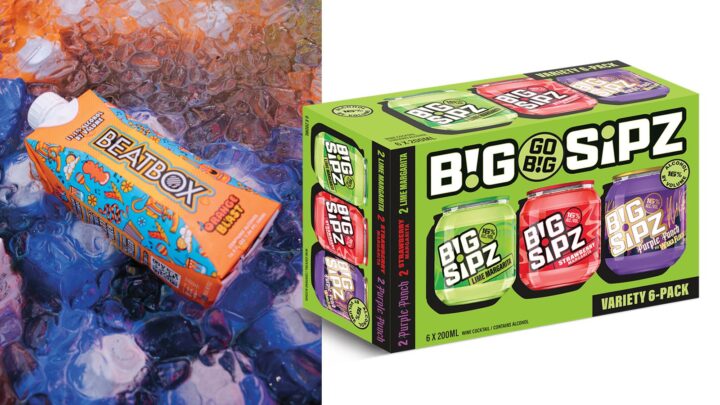
Founded in 2012, BeatBox is packaged in 500-ml. resealable Tetra Pak singles and is now available in more than 15 expressions. A mainstay in c-stores and liquor stores, the brand is beginning to gain traction in groceries, Jamison notes, with the recent introduction of a 4-pack. BeatBox has risen to the top of the wine RTD sector thanks to grassroots marketing, with sampling at more than 300 music festivals and concerts a year, as well as social media and influencer support. More recently, traditional media has been added into the mix, including billboards and bus and trolley wraps.
Leaders Of The Pack
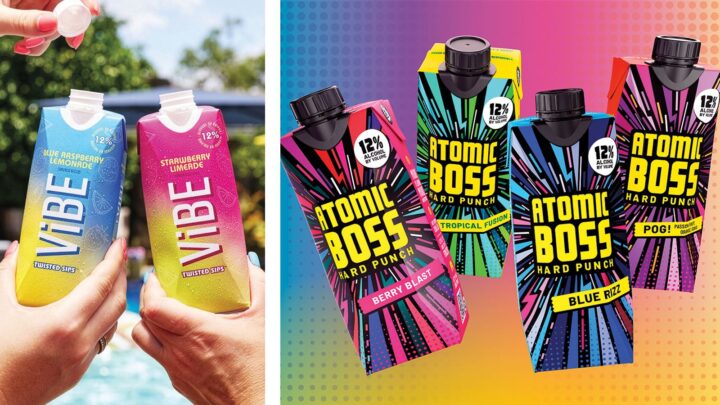
Sazerac Co.’s BuzzBallz Chillers is the No. 2 wine-based RTD, according to Impact Databank, with sales of nearly 1.5 million cases in 2024. Originally launched by Southern Champion, the BuzzBallz franchise—which also offers spirits-based RTDs—was acquired by Sazerac in 2024. Other large drinks marketers have also expanded into wine-based RTDs in recent years, including Gallo and Trinchero. Like BeatBox, Gallo’s Beach Juice and Vibe Twisted Sips are packaged in 500-ml. Tetra Paks, but West says the company sees potential for smaller 200-ml. formats and limited regional tests are planned. New flavors for both brands will also be added this year. When it comes to support, Beach Juice is backed with a “robust experiential trial program at sun-forward events such as volleyball tournaments, music festivals, and day-party activations,” where legal, he notes.
Trinchero, meanwhile, launched Atomic Boss in 2024, and by early last year it was available nationally. “Initial consumer response has been positive,” Wohld says, with sales over indexing in c-stores and liquor stores, accounts where “younger legal-drinking-aged shoppers are looking for grab-and-go and flavor-forward options.” Specifically, the brand is performing well in 7-Eleven, Target, and Walmart stores, she notes, adding that Trinchero anticipates “continued momentum with additional shelf resets” this spring.
Patco Brands’ Big Sipz is another quickly expanding wine-based RTD. Launched three years ago, Big Sipz is mwavailable in 45 states, with full national distribution expected this spring. While Big Sipz is available in malt-based Tetra Paks, its wine-based package, in 200-ml. cups, is its biggest seller, according to Gerard Rohlich, vice president of sales and marketing. Like the other marketers, he notes that sales of Big Sipz skew toward c-stores and liquor stores, but the company is “excited about the growth potential” in grocery and big-box accounts. Big Sipz’s largest markets include Texas, California, Arizona, Florida, and Georgia.
Retail Reach
The more-established BeatBox and BuzzBallz Chillers are the top-selling wine RTDs at Plaid Pantry, Manuyag says, but a wave of new entries, including Big Sipz and Beverage Ranch’s Slamzees, are now also vying for shopper attention and “showing strong trends.” Large-format 1-liter and 1.5-liter options are additionally starting to emerge as fans of the products seek packages for different usage occasions, the retailer notes. Overall, Plaid Pantry offers up to eight wine RTDs, priced at $3 to $5 a single, with “buy two” and “buy three” promotions being popular draws.
At Mendez Fuel, with three stores in the Miami area, top-selling wine-based RTDs include BeatBox, Beach Juice, and Atomic Brands’ Monaco, all priced at $3 to $5 a single, says Andrew Mendez, vice president of operations. “It seems as though the brands with the flashy packaging are most popular,” he continues, noting that Beach Juice over indexes with female consumers, Monaco skews toward middle-aged customers, and BeatBox draws a wide mix of consumers. Both Mendez and Manuyag agree that their RTD customers don’t seem to care or notice if the products are malt- or wine-based. “Unique and fun flavors and abv content is what draws consumers to wine-based RTDs,” notes the northwestern c-store executive.
While wine RTDs have so far largely been an off-premise play, marketers are sharpening their focus on on-premise accounts and see lots of opportunity in all sorts of venues. Jamison reveals that Future Proof is “pitching and testing” BeatBox at fast-casual restaurants with beer and wine licenses. “It gives them the opportunity to offer a product that brings in a different demographic and the ability to offer a wide variety of flavors when they can’t sell spirits,” he explains. Wohld points to recreational accounts like golf clubs and bowling alleys as showing potential for the drinks. And West looks to “high-velocity on-premise environments where beer has traditionally dominated”—such as sports venues and festivals—as a natural fit for products like Beach Juice. “By leveraging portability, approachability, and bold flavor innovation, wine-based RTDs have a clear opportunity to gain incremental share across these channels,” the Gallo executive says.
The bottom line: Opportunity abounds for wine-based RTDs both on-premise and off-premise. “With continued brand innovation and consumer education, wine-based RTDs are well placed to attract greater attention and expand their presence on retailer shelves,” says West. And those advances could very well shine a halo on the wine category overall. “Embracing the wine-based RTD market is an opportunity for current sales and a chance for marketers to shore up their market presence,” says Sovos ShipCompliant’s Koral. “While today consumers may be drinking a wine-based RTD, tomorrow it could be a bottle of Merlot or Chardonnay.”