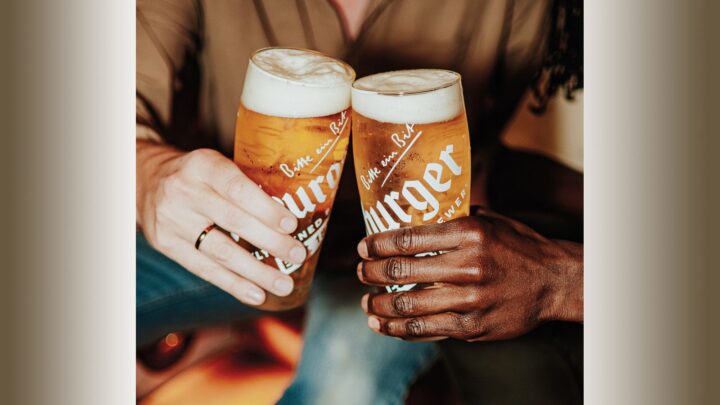
German beer—the standard bearer for classic, traditional brews—is outperforming the overall imported beer category. And according to marketers and retailers, with many craft beer styles waning, the time may be right for its comeback.
Indeed, Germany moved into the No. 4 position among countries importing beer to the U.S. last year, posting just a 2% decline in volume, while overall beer imports were down 5.4% and brews from Mexico, the far-and-away leader, slumped 3.1%. A big 27% dropoff in Canadian imports helped push Germany up in the rankings. “U.S. consumers are broadening their experience with the import category and German brands can speak to quality and tradition,” says Justin Fisch, CEO of United States Beverage, importer of the Erdinger brand.
At Total Beverage Solution (TBS), sales trends for Bitburger, Weinhenstephaner, and Rothaus are “beating” trends for overall German brews, says Lauren Summer, director of portfolio strategy and business development, largely a result of growth for canned products in off-premise accounts. Four-packs of Bitburger 16.9-ounce cans, for example, have been on the rise in Kroger stores, while 12-packs of the brand in 11.2-ounce cans, launched last year, are now in Publix stores systemwide, she notes. Earlier this year, Bitburger Gluten-Reduced helles lager, likely the only reduced-gluten beer from Germany, was introduced.
For Weinhenstephaner—produced at the oldest-operating brewery in the world—the focus is on “brand visibility,” Summer says. Thanks to its long tradition and reputation for quality, the brand has been able to “ride the craft beer wave” in recent years, the importer notes. Rothaus, meanwhile, has been enjoying annual double-digit growth since TBS took over the brand about three years ago, she adds.
Paulaner is another German brew with deep credentials, according to Marissa Noboa, brand director at Paulaner USA. In addition to its seasonal Oktoberfest, Paulaner lager and pilsner are seeing growth, particularly on-premise, while 4-packs of 16.9-ounce cans are outpacing traditional bottles off-premise, Noboa notes. Erdinger, meanwhile, which joined US Beverage a couple of years ago, is growing at a double-digit rate, Fisch says, driven by off-premise success for its wheat and non-alcoholic expressions. Helles lager was recently introduced to give the brand “more visibility on the shelf,” he notes, and so far has been “well received.”
Retailers also report renewed interest in German brews among their customers. At the Publican in Chicago, modeled after a European beer hall, “people are gravitating back to the classics, German beers being one of them,” says beer and wine buyer Aaron Peck. “Krombacher pilsner ($13 a 16.9-ounce pour) is and almost always has been our No. 1 seller.” Among bottled brews, DAB ($9 a 500-ml.) also performs well. And at the venue’s two-week Oktoberfest promotion, Paulaner Oktoberfest is exclusively poured.
At High Spirits Liquors in Providence, Rhode Island, sales of German beers were “pretty consistent” this summer, Mikey O’Brien, beer manager, says. Some brands, such as Bitburger ($12 a 4-pack), saw a resurgence, aided by consumer interest during the FIFA World Cup, the retailer says.
Marketers of German beers also note the halo effect of the summer sports event on sales of their products. “The World Cup was huge for Bitburger, both on- and off-premise,” says Summer, noting that the soccer tournament helped the German brew add points of distribution this year. “We saw a significant opportunity with World Cup engagement to being in new draft accounts for Paulaner lager and pilsner,” reveals Noboa.
For the last few decades, German beers have faced tough competition from U.S. craft brews. But with high-abv styles increasingly losing favor with consumers, importers and retailers see opportunity for German beers to regain share. “Consumers are more open to beers from Germany and other European countries,” says O’Brien. “They seem to be shying away from $20 IPAs and discovering the classic beer styles.”
Summer agrees. “Consumers are finding that classic German beers can be more approachable,” she says.