At Bryant’s Cocktail Lounge in Milwaukee, brandy is “far and away” their most poured spirit, according to bar manager Jackson Mercier, owing to Wisconsin being the U.S.’s largest consumer of the spirit, where it’s often consumed in Old Fashioneds. “That said, our guests seem to have a mostly surface level knowledge of brandy, being happy that we use Korbel as our house brand or occasionally enjoying the Wisconsin-made brandy from Wollersheim Distillery that we also have on offer,” Mercier adds. “But they will generally enjoy hearing about the history and further varieties of brandies while maintaining their love for Korbel and not desiring to rock the boat too much.”
This allegiance to brandy is certainly not present elsewhere in the country, but the tide may be slowly changing thanks to bartenders featuring the spirit (along with its fruit-flavored spirits offshoots like Cognac, Armagnac, and pisco) more on cocktail menus in recent years. “Brandy has made a quiet but steady comeback,” says Zak Lindahl, beverage director at The National, Autograph Collection Hotel in Oklahoma City. “For a long time it was seen as an after-dinner sipper, but bartenders have been pulling it forward into brighter, more approachable cocktails. You’re seeing clarified punches, split-base builds with agave or rum, and riffs on classics that remind guests how versatile brandy can be. It’s less of a dusty bottle on the backbar now and more of a spirit we’re designing with intentionally.”
Many bar professionals agree that the key to growing brandy’s fanbase in the U.S. is exposure—and a delicious brandy-based cocktail goes a long way in growing that appreciation among drinkers. “Brandy isn’t one of our stronger sellers, largely because many guests aren’t as familiar with it compared to whisk(e)y, gin, or Tequila,” notes Dylan Braud, lead bartender at Seaworthy in New Orleans. “But when people are introduced to brandy in a well-crafted cocktail, they’re often surprised by how approachable and versatile it can be. It’s really about educating and giving guests an accessible entry point into the spirit.”
Increasing Awareness
Lindahl notes that consumer interest in brandy is growing, but that interest still pales in comparison to the popularity of spirits like Bourbon and Tequila. “Most people know Cognac through hip-hop or luxury branding, but fewer are familiar with brandy more broadly,” he says, adding that presenting the spirit in familiar formats helps significantly. “Give them a Sidecar or an Old Fashioned with brandy and it clicks.” At the hotel’s Tellers and Stock & Bond restaurants, the Sidecar ($15) features Hennessy VS Cognac, Pierre Ferrand Dry Curaçao, and lemon juice, while the Vieux Carré ($17) blends equal parts Hennessy VS Cognac, Rittenhouse Bottled In-Bond Rye, and Carpano Antica Formula sweet vermouth, plus Bénédictine herbal liqueur and Peychaud’s and Angostura bitters.
At Swizzle Rum Bar & Drinkery in Miami and Fort Lauderdale, Florida, owner Danilo Bozovic’s Sidecar ($18) comprises equal part Larressingle VSOP Armagnac, Cardenal Mendoza brandy, and Pierre Ferrand Dry Curaçao, plus fresh lemon juice. “Among consumers, brandy remains a niche choice compared to other spirits; guests often associate it with old-fashioned luxury or their grandparents’ drink,” notes Bozovic, who’s also the author of “Barkeep Book: The Art of Mixology, Bar &
Cocktails.” “But it definitely gets points for heritage and the craftsmanship of producers—Cognac houses, Serbian and Balkan houses, California family distillers, and the like.”
Katie Beans, bar manager of Neutral Ground Bar + Kitchen in McLean, Virginia, notes that in recent years, and especially since the Covid-19 pandemic, there’s been a cultural shift in the cocktail scene “as people started gravitating toward spirits and cocktails with genuine provenance and craft heritage” and brandy stands to benefit from this shift. “Brandy was and continues to be a perfect example of this authenticity movement with choices like the Metropolitan that date back to the 1920s, and the Brandy Alexander even earlier,” she says. “When someone orders a properly made Sidecar they’re connecting with something that has actual history and craftsmanship behind it. The spirit itself often represents generations of distilling knowledge and terroir.”
Beans adds that guests tend to love brandy—but they often don’t realize they’re drinking it. “I take a classic approach to form the foundation of any drink I create, using cocktails from the 1920s to 1950s as inspiration, and guests love the results—the drinks seem familiar, but they can’t quite put their finger on what’s different, and that’s the brandy,” she says. “I like to sneak it into a drink or two to subtly round out the flavor profile and create that depth. It’s a fun bartender tactic, that element of surprise. Guests enjoy what they’re drinking, but brandy isn’t their first thought. This creates a perfect opportunity for education, reminding people to try brandy neat or explore it in cocktails. Once they discover what they’ve been enjoying, they’re much more open to brandy-forward drinks.”
Her Sazerac-inspired The Original ($16) mixes Courvoisier Cognac, Old Overholt Bonded rye, demerara syrup, Angostura and Peychaud’s bitters, and an Herbsaint rinse, while her Tide Water Toddy ($16) blends Courvoisier, house-made fall spice tincture, honey syrup, lemon juice, 18.21 Earl Grey bitters, and hot water. “The authenticity trend isn’t going anywhere—people want spirits that have a good story that highlights its heritage,” Beans adds. “As whisk(e)y prices keep climbing, brandy can offer that same aged complexity at a better value.”
Lance Razon, director of food and beverage at Beacon Grand hotel in San Francisco, recommends an Old Fashioned-style cocktail as an entry point to brandy. “By replacing whiskey with brandy or Cognac, the drink takes on a balanced character as the brandy’s natural fruit sweetness layers with spices, resulting in a warm, wonderfully aromatic experience,” he says. “Brandy, known for its deep, rounded warmth with notes of dried fruits and vanilla from barrel aging, is a truly delicious spirit.” At the hotel’s bar The Post Room, bartender Anson Stahl’s The Market St. Aristocrat ($23) is an Old Fashioned variation comprising Rémy Martin 1738 Accord Royal Cognac, house-made 7-spice agave, and house-made aromatic bitters.
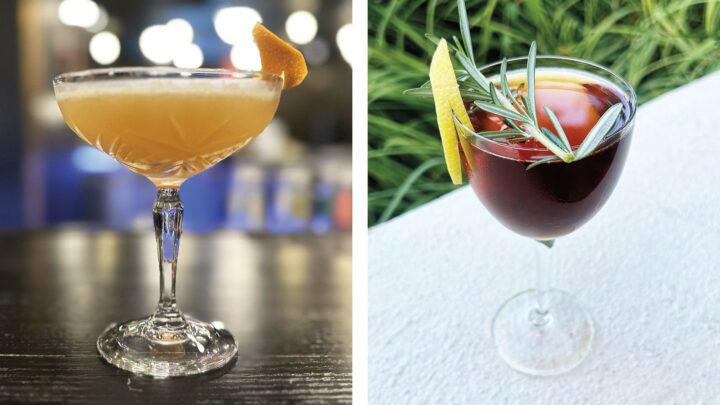
“I’m seeing brandy used more as the base spirit in traditional rum or whisk(e)y cocktails; it will typically complement while adding a unique brightness in its place,” says Adam Morgan, bar manager at Husk in Nashville, Tennessee. “Brandy Manhattans are always a favorite.” His Night’s Crawl ($18) is Manhattan-like, featuring Laird’s Straight Apple brandy, Punt e Mes vermouth, house-made rosemary shrub, saline, and Regans’ No. 6 Orange bitters.
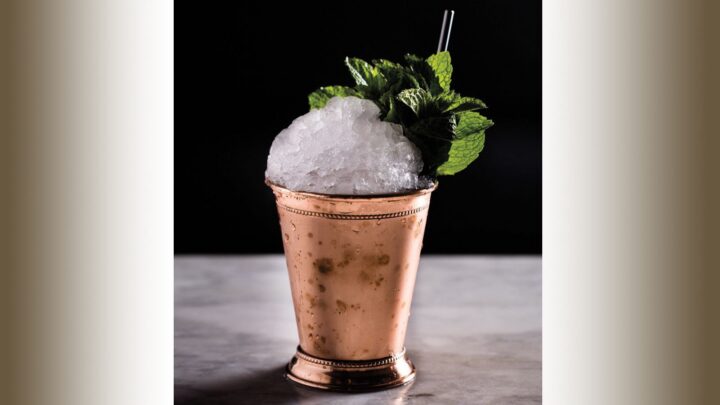
At Death & Co. in New York City, former bar manager Javelle Taft’s Hidden Gem ($20) similarly takes a traditionally whiskey-based cocktail and adds brandy to the mix to create something new. It blends equal parts Sainte Louise brandy and Compass Box Glasgow Blend Scotch, plus Ciociaro amaro, Domaine d’Arton Les Reserves Crème de Pêche de Vigne peach liqueur, Rothman & Winter Orchard Apricot liqueur, and demerara syrup. “This julep variation reimagines the classic Southern refresher through the lens of brandy and stone fruit, offering a richer, more aromatic experience,” Taft says. “At its core is Brandy Sainte Louise—selected for its roundness, soft spice, and orchard fruit depth. Unlike Bourbon, which often drives a Julep with vanilla and caramel, this brandy brings elegance and lift. It softens the structure while amplifying the cocktail’s fruit-forward notes, tying together peach, apricot, and dried citrus into a seamless whole.”
Fruit Focus
Because brandy is fruit-based, it pairs well with a wide range of flavors, notes Seaworthy’s Braud. “Bright citrus like orange and lemon complement its natural sweetness, while warm spices such as cinnamon and nutmeg highlight its depth—it even plays surprisingly well with richer notes like chocolate,” he says. “I enjoy how versatile brandy can be once you get to know it. Compared to bolder spirits, it has a more subtle flavor profile, which makes it a great canvas for creativity. It can hold its own in spirit-forward classics like an Old Fashioned, but it’s just as at home in brighter, fruitier cocktails like a Sidecar, or even unexpected twists like a Margarita.” At Seaworthy, a brandy-based, tiki-inspired cocktail called the Holy Water ($17) is the bar’s top seller. It features equal parts Paul Masson Amber VS brandy and Captain Morgan Spiced rum, plus Yellow Chartreuse liqueur, fresh lemon and lime juices, and house-made orgeat, garnished with a lime shell filled with a brown sugar cube and Hamilton 151 rum that’s lit aflame. “I see brandy continuing to trend toward fruit-forward, intentional recipes that highlight seasonality,” Braud adds. “Guests are looking for drinks that feel thoughtful and grounded in flavor, and brandy is a spirit that can deliver this.”
The National’s Lindahl appreciates brandy’s unique qualities compared to grain spirits. “Brandy has a softness and fruit-driven character; it can bring elegance to a drink without needing as many supporting ingredients but it also plays well with modifiers like amaro, Sherry, or herbal liqueurs, so you can stretch it in creative directions while still keeping the cocktail cohesive,” he says. At the hotel’s The Vault bar, bartender Joni Taylor’s Crème de la Crème ($16) comprises Hennessy VS, Licor 43, orange and lemon juices, and demerara syrup.
“Brandy brings this incredible subtlety that other spirits don’t have; unlike gin or whisk(e)y, which announce themselves, brandy works for me as a balancer of spirits and flavors behind the scenes to add depth and complexity,” Neutral Ground’s Beans notes, adding that the spirit’s “fruity, oaky” flavors make it a versatile cocktail base. “Citrus like lemon and orange brighten brandy’s richness; stone fruits like peach, apricot, and cherry complement its natural fruit notes; warm spices like cinnamon, nutmeg, and allspice enhance its oak aging; cream and nuts, including amaretto and orgeat, create rich, mellow cocktails; and herbal liqueurs like Bénédictine and Chartreuse and fresh herbs like thyme add sophistication. The key is enhancing brandy’s complexity rather than masking it.” Her Saint-Pierre Sunset ($16) features Courvoisier, Cointreau liqueur, orange and lemon juices, house-made Southern pecan orgeat, honey syrup, Old Forester Smoked Cinnamon bitters, and a Peychaud’s bitters float.
“Classic cocktail styles like the Negroni, Manhattan, Old Fashioned, Julep, Espresso Martini, and even Mai Tai-like modern tiki-inspired drinks can be reimagined using brandy as the base spirit and, of course, Highballs and Sours are always the perfect recipe vehicle for brandies,” says Francesco Lafranconi, vice president of beverage and hospitality culture for Carver Road Hospitality, which operates venues in New York City, Las Vegas, Salt Lake City, and Boston, among other locations. “Brandy offers a complex array of flavors, often influenced by the type of fruit used, fermentation and distillation process, and aging style. Generally, I enjoy VS or VSOP Cognac to interplay with whisk(e)y in a Manhattan or Boulevardier-like drink; I enjoy the multi-offering Barsol Pisco, an unaged Peruvian brandy, in Sour recipes; and I enjoy Pierre Ferrand and H by Hine Cognacs in Highballs.”
At Carver Road’s Old Wives’ Tale speakeasy in Boston, Lafranconi’s Pisco Paraiso ($25) blends Barsol Italia and Perfecto Amor Piscos, Ponthellier soursop purée, fresh lime juice, simple syrup, and an Angostura bitters float, served alongside a house-made chicha morada, a Peruvian beverage made from purple corn. His La Rochelle ($25), meanwhile, mixes H By Hine Cognac, St-Germain elderflower liqueur, Green Chartreuse liqueur, fresh cantaloupe juice, Nicolas Feuillatte Brut Champagne, and Scrappy’s Lavender bitters.
At Bryant’s Cocktail lounge, Mercier’s Sins and Serpents ($15) comprises Control Pisco, Pama pomegranate liqueur, Bénédictine, and Luxardo Bitter Rosso liqueur. “Brandy has possibly the widest variety of any spirit, ranging from the classic varietals made with grapes like French Cognac and Armagnac and South American expressions such as Pisco and singani, to the fruit-based ones such as American applejack and Balkan rakia,” Mercier says. “With this variety comes, well, variety. I like being able to mix and match these spirits in place of more expected ones to give unique and unexpected edges to cocktails.”
He adds that he “absolutely adores” Laird’s Straight Apple brandy. “It’s a spirit distilled from apple, so the aroma and palate more suggest apple, rather than beating you over the head with an apple,” he says. “Laird’s works so well in a litany of cocktails and split-bases wonderfully with anything from gin to rum; it’s high enough in proof to really stand up in citrus-forward drinks, while still being nuanced enough to be enjoyed on its own. I even use it in eggnog every year.” Server manager and bartender Lauren R. Fleury’s Once I Was Loved ($14) mixes Laird’s with Lazzaroni amaretto, St. Elizabeth allspice dram, fresh lemon juice, and Fee Brothers Rhubarb bitters.
As bartenders continue to explore the wide variety of styles and labels brandy has to offer, the spirit is poised to earn more fans. “Brandy hasn’t gained its full potential in popularity yet: just wait,” Beans says. “Smaller, regional makers are producing American brandies and slowly gaining recognition, similar to how American whiskey exploded—it’s only natural with brandy’s fruit origins.” Lindahl points out that older traditional styles are resurfacing as well. “Bartenders are rediscovering European fruit brandies like Calvados, kirsch, and slivovitz as tools for depth,” he says. “Brandy has the ability to feel both nostalgic and modern, so it’s well positioned for the next wave of craft cocktails.”