Tequila’s popularity with U.S. drinkers is well documented, with the Margarita solidified as the country’s favorite cocktail for decades now. “But Tequila’s evolution and growth into a seriously appreciated spirit has taken more time,” points out Andi Miller, bar manager at Outerlands in San Francisco. She adds that modern cocktails like the Oaxaca Old Fashioned—featuring reposado Tequila, mezcal, agave nectar, and Angostura bitters—and the Mezcal Negroni—where mezcal replaces gin in the traditional recipe—have helped Tequila and mezcal branch out beyond fruity, refreshing cocktail builds. “Agave’s acidity will always make it a great pairing for citrus-based cocktails, but these stirred cocktails bring agave spirits into the spotlight as ways to reimagine what works in cocktails that have often defaulted to spirits like whisk(e)y or gin,” she says. “San Francisco bartenders have always loved agave spirits and bartending here for the last ten years has really pushed me to imagine more ways to use these amazing spirits in cocktails.”
John Benevides, bar director of Boston-based Coda Restaurant Group, also notes that the growing popularity of agave-based takes on classic drinks helped Tequila and mezcal’s reputation in the cocktail world. “Especially when whiskeys reached peak demand and became hard to find and prices shot up, Tequila and mezcal started to get a better appreciation from bartenders for their overlooked quality and their affordable pricing at the time,” he says. “I’ve also noticed a shift in peoples’ palates—ten years ago guests started to enjoy more bitter things, and Negronis, amari, and aperitivi Spritzes really took off and are still popular. Tequila and mezcal can cross most boundaries, from a cocktail that’s light and refreshing to those that are intense and spirit-forward. Now our guests are ordering Espresso Martinis or Cosmopolitans and asking to sub in Tequila or mezcal. Although people seem to be drinking less overall, spirits like Tequila and mezcal have made their niche in the cocktail scene and are definitely here to stay.”
Take On The Classics
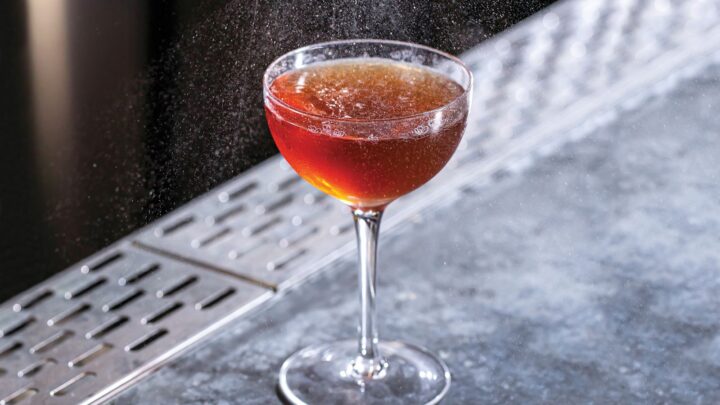
Max Reis, beverage director at Mírate in Los Angeles, says that since renowned bartender Phil Ward’s invention of the Oaxaca Old Fashioned in 2007, “the sky has been the limit” for bolder, more spirit-forward agave cocktails. “Here in Los Angeles especially, for well over a decade I’ve seen the Mezcal Negroni overtake the traditional Negroni across a wide range of bar styles throughout the city,” Reis adds. “I think we’ll continue to see agave spirits replacing other base spirits in classic cocktails. Tequila and mezcal Martinis have barely had their moment yet, but I expect that to change very soon—and that’s only the beginning of where this category can go.” At Mírate, Reis’ take on the Oaxaca Old Fashioned, the El Tocayo ($22), features private barrels of El Tesoro Reposado Tequila and Mal Bien Espadín mezcal, plus house-made “nogave” (a mix of demerara syrup and orange blossom honey), house-made mole oaxaqueño bitters, and house-made sal de chapulín (grasshopper salt) saline, topped with a spritz of house-made Seville orange spray.
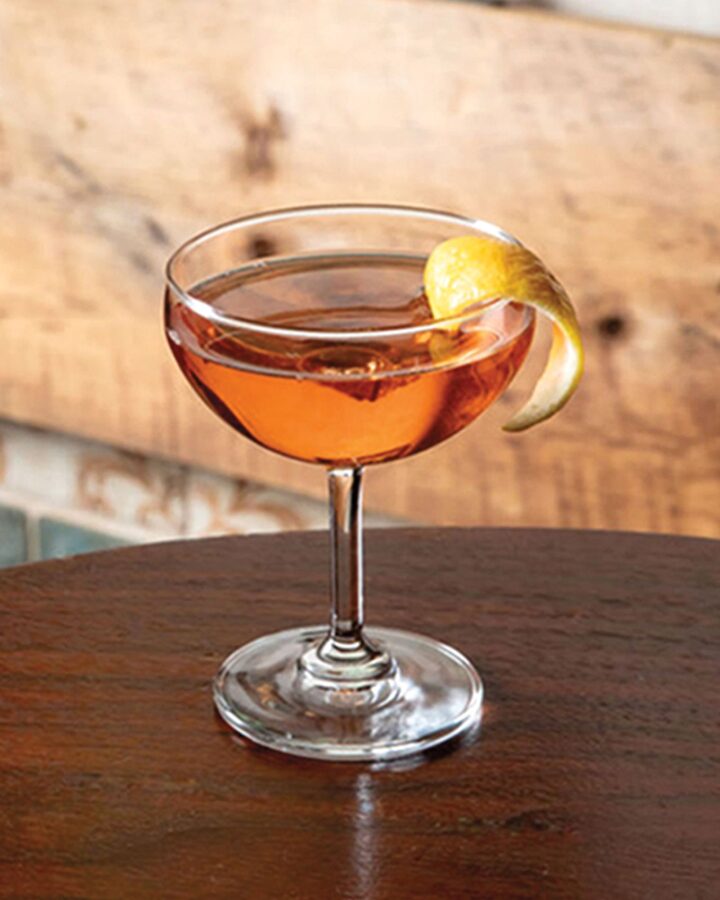
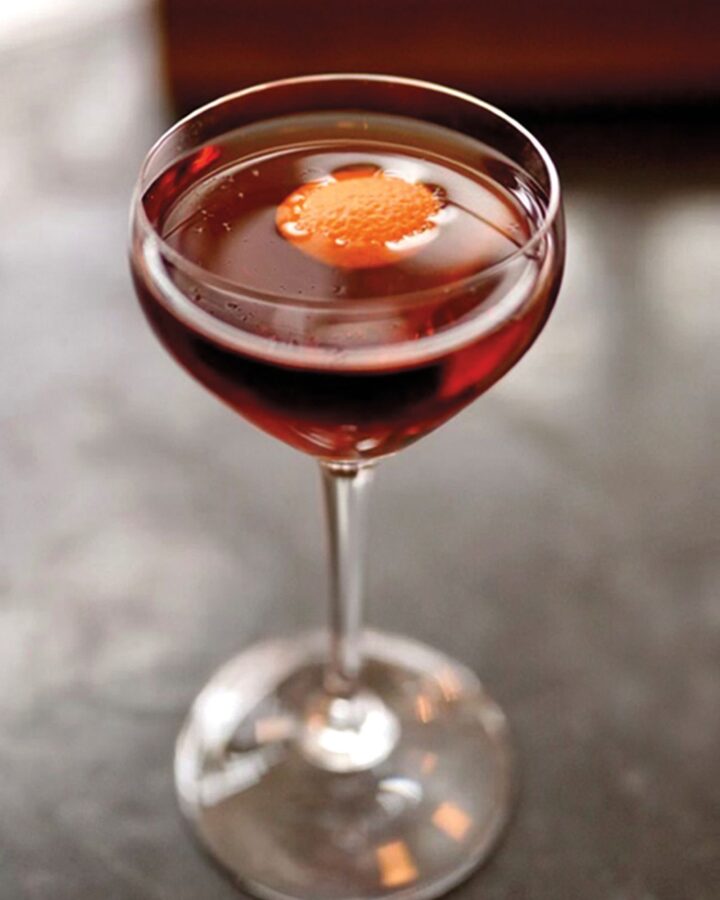
“I began noticing Tequila and mezcal move into bolder, less citrus-driven applications in the mid-to-late 2010s, particularly as mezcal gained mainstream awareness,” says Jason Hedges, director of beverage for New York City-based LT Hospitality. “Once bartenders and guests became comfortable with agave’s savory and earthy qualities, it naturally moved into bitter, spirit-forward formats—Negroni riffs, Old Fashioneds, and even Martini-style drinks. That shift accelerated as people started ordering Tequila neat and asking questions about production, not just Margaritas.” At the group’s Back Bar at the Kimpton Hotel Eventi, Hedges’ Oaxacan STURGISfeels familiar because it’s grounded in classic cocktail structure. Guests also enjoy feeling like they’re unlocking another side of Tequila or mezcal beyond the expected.” Also at Back Bar, his Tequila Martinez ($20) is a take on the traditionally gin-based classic, blending Codigo Reposado Tequila, Carpano Antica Formula sweet vermouth, Luxardo Maraschino liqueur, and Boker’s bitters.
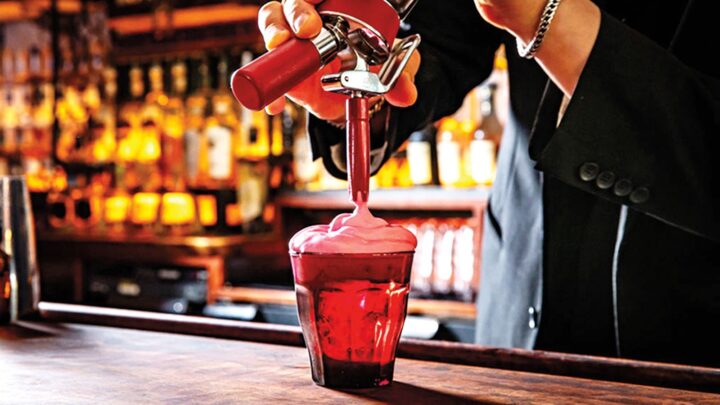
At The Port of Call in Mystic, Connecticut, head bartender Stephanie Cohen’s Luxury of Time ($16) is a Negroni variation mixing equal parts cacao butter fat-washed Viamundi Blanco Tequila and Carpano Antica Formula, plus strawberry-jacked Campari aperitif, Fernet-Vallet, and Abasolo Mexican corn whisky, topped with house-made toasted guajillo salsa macha oil. At Mexi Stone Street in New York City, beverage director José María “Chema” Dondé’s El Dracula ($17) is also a Negroni riff, featuring hibiscus-infused Banhez mezcal, Campari, Lustau Oloroso Sherry, Giffard Crème de Cacao liqueur, Salers gentian liqueur, and saline solution, topped with a house-made hibiscus allspice foam. His Don Pablo ($19), meanwhile, is a take on the traditionally rye-based À La Louisiane, featuring Mijenta Reposado Tequila, Lustau Red and Dry vermouths, Bénédictine herbal liqueur, and The Bitter Truth Lemon bitters. “Agave is no longer limited to Margaritas or sweet, shaken drinks; in professional bar programs, Tequila and mezcal are now treated as structured base spirits on par with whisk(e)y, Cognac, or rum,” Dondé says. “Agave spirits carry a unique ($21) comprises pink peppercorn-infused Ilegal Reposado mezcal, Xila aperitif, and Scrappy’s Chocolate bitters. “I’ve been focusing for some time on spirit-forward agave cocktails that borrow structure from classic stirred drinks—this style is often a better vehicle for letting Tequila and mezcal show their depth beyond citrus and sweetness,” Hedges adds. “And we’re finding that guests are increasingly interested in bitter, lower sugar, and more contemplative agave cocktails, especially when the format profile of minerality, botanicals, and green, herbal, or floral notes. Stirred formats allow these characteristics to shine rather than masking them. This shift isn’t trend-driven—it’s respect-driven, honoring producers, process, and cultural origin.”
Elevate The Agave
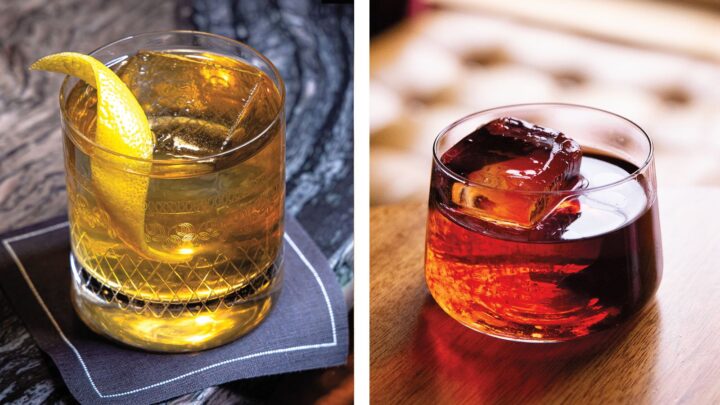
The Oaxaca Old Fashioned indeed opened up a new world for agave-based cocktails. Around 2010, at the French 75 Bar in New Orleans, bartender Chris Hannah came up with the Décolletage, a mix of reposado Tequila, Dubonnet Rouge Grand and Aperol aperitifs, and Fernet-Branca. At Coda Restaurant Group’s Boston venue SRV, Benevides first heard about this drink when a guest requested it. “It was described as ‘like a Tequila Negroni with a bit more character,’” he says. “The cocktail was balanced and bold—and now at SRV we have a smoky rendition of this drink called the Scollatura. It switches the reposado Tequila for mezcal and the Aperol for Contratto aperitif, which is a bit lighter than its more well-known counterpart.” The drink ($17), which Benevides created, features Xicaru Silver mezcal, Dolin Rouge vermouth, Contratto aperitif, and Fernet-Branca. “When messing around with such expressive ingredients, it’s a lot of trial and error and sometimes you have to lean into more congruent pairings,” Benevides adds. “The smell of Tequila is so specific to a lot of us—embracing it when coming up with a new drink is what it’s all about. Mezcals can have an immense amount of character and the smokier they get, the more they want to party with like-minded spirits and liqueurs.”
Miller of Outerlands notes that when working with agave spirits, she wants to make sure they stand out. “This means choosing ingredients and ratios that don’t overpower your Tequila or mezcal, and you also don’t want to muddy the cocktail with too many competing flavors,” she says. “With Tequila, I love Sherry and vermouth, and spicy ingredients always work well. With mezcal, it can really stand up to bold flavors, so I love using big amari or complex liqueurs to add drama.” Her Run With It ($17) comprises Rayu mezcal, Zoranje Anme Haitian orange liqueur, Fernet-Vallet, Ancho Reyes Verde poblano liqueur, and Licor 43, while her High Key ($17) blends Rayu mezcal, Cardamaro amaro, Tattersall Grapefruit Crema liqueur, La Cigarrera Manzanilla Sherry, and house-made grapefruit bitters.
“We tend to gravitate toward bitter and structured ingredients that complement agave’s natural complexity without overpowering its character, so amari, aperitifs, fortified wines, and savory or spice-driven modifiers work well,” says Jade Ayala, The Port of Call’s beverage director. Her Boozy and Honest ($16) mixes equal parts Madre mezcal, Mondino aperitif, and house-made banana justino, plus Avua Amburana Cachaça and John D. Taylor’s velvet falernum. “It’s exciting to see bolder, riskier approaches with agave spirits,” Ayala adds. “Tequila and mezcal have so many layers, and these styles of cocktails really allow those complexities to shine.”
LT Hospitality’s Hedges also reaches for amari, aperitifs, Sherry, and vermouths when working with Tequila and mezcal, as well as saline, olives, herbs, gentle smoke flavors, and spices like pink peppercorn, coriander, and bay leaf. “Agave spirits pair exceptionally well with bitter and savory elements, which complement agave’s natural vegetal notes,” he says. “The goal is contrast and structure, not sweetness.
At the hotel’s L’Amico restaurant, his Luce Di Marea ($21) features Código 1530 Rosa Tequila, Lillet Blanc aperitif, La Gitana Manzanilla Sherry, Giffard Crème de Pamplemousse Rose pink grapefruit liqueur, and Scrappy’s Grapefruit bitters, and at the hotel’s Skirt Steak restaurant, his Red Right Hand ($18) mixes equal parts Olmeca Altos Plata Tequila, Bonal Gentiane-Quina aperitif, and Aperol, plus Regans’ No. 6 Orange bitters. “Balance is everything—proof and texture should be considered carefully, especially in stirred drinks,” Hedges adds. “The agave character should remain recognizable; if the cocktail could be made with vodka or rum instead, it’s probably doing too much.”
Mark Mentzel, bar manager at Baltimore-based Atlas Restaurant Group, asserts that letting “the agave distillate do the heavy lifting” is key when making these types of cocktails. “I like that this style allows the flavor of the agave to be the main focus of the composition,” he says. “Well-made agave distillate can range in flavor from vetiver and black pepper to zucchini and paraffin wax, pumpkin and woods to peanuts and leather. These complex flavors can get lost in bright citrusy drinks but shine through in spirit-forward sippers.” At the restaurant group’s Order of the Ace cocktail bar in Baltimore, the Aqua Regia ($20)—which Mentzel created with bar lead Selina Peterson—blends Mal Bien Zacate Limón mezcal, Kiyomi Japanese rum, Capitoline Dry vermouth, Cardamaro, Chareau Aloe liqueur, and house-made oregano tincture. At the group’s speakeasy-style bar The Elk Room in Baltimore, the Aghast; Asunder ($20)—which Mentzel created with bar lead Case Gomez—comprises apple-infused G4 Blanco Tequila, Żubrówka bison grass vodka, Bonal Gentiane-Quina, Rothman & Winter Orchard Quince liqueur, Massenez Roquefort liqueur, house-made wasabi tincture, Fee Brothers Black Walnut bitters, and saline.
Meet In The Middle
Mentzel adds that while these bolder styles of agave cocktails are certainly popular with the guests who seek them out, they’re not for everyone. “I like to run both a citrusy and fun agave drink and spirit-forward serious one on the same menu—this allows anyone who isn’t sure about a savory drink the option of familiarity while also giving those who are more adventurous a chance to explore,” he says. “I think more bartenders are going to push this style because it’s of interest to them, but I think that runs the risk of scaring guests. These drinks are inherently niche and operate better in a space where guests come to them, not the other way around. There will always be a place for them, and it’s cool to see them gaining traction, but I think forcing the issue will do more harm than good.”
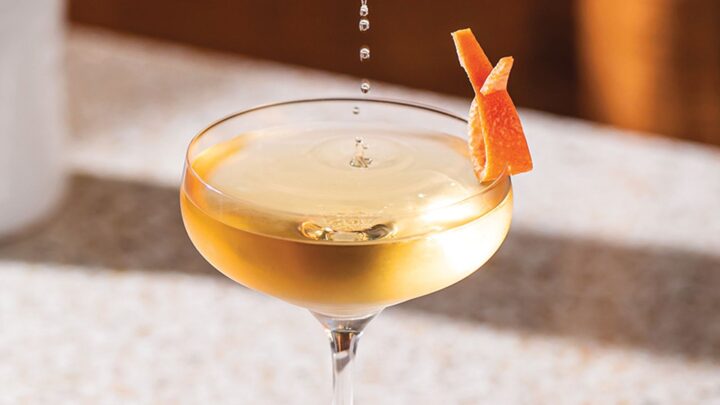
Coda Restaurant Group’s Benevides feels similarly, and so his approach is to create agave drinks that strike a balance between familiar and fruity and bold and complex. “Agave-based drinks that are light and refreshing are still our most ordered house cocktails—our goal is taking those refreshing recipes and finding a way to make them more complex with an unlikely component,” he explains. “The Rosa di Venti at Gufo is Tequila-based with citrus but we amp it up with Pasubio, dry vermouth, and sumac-infused agave. By meeting in the middle of bright and bold, more guests are open to trying a cocktail that may have an ingredient they may find too intense on its own or something they may have never tried before.” The drink he refers to—the Rosa di Venti ($15) at the group’s Gufo restaurant in Cambridge, Massachusetts—was created by bartender Rob Dunn and features Arette Reposado Tequila, Pasubio vino amaro, Dolin Dry vermouth, lime juice, sumac-infused agave syrup, and Regans’ No. 6 Orange bitters. At SRV, bartender Hazel Manko’s Canarina Carbone ($16) similarly features citrus and fruity flavors alongside more bitter and savory ones, mixing Pelotón de la Muerte mezcal, Gran Classico Bitter liqueur, Giffard Banane du Brésil banana liqueur, lime juice, and house-made sesame syrup, topped with toasted sesame oil drops.
Also following a format where something a bit more bitter and complex is added to an otherwise fruity agave drink, Miller’s Copper Penny ($17) at Outerlands comprises El Velo Blanco Tequila, Kafe Anme Haitian coffee liqueur, Giffard Crème de Fruits de la Passion passionfruit liqueur, lemon juice, and Small Hand Foods Gum syrup. “I enjoy creating cocktails that can bring people into an appreciation of Tequila or mezcal that maybe they didn’t think was possible,” Miller says. “I want to surprise people with new takes on agave spirits, but I think the thing I like most is sharing my love of this category through educating others about how they’re made and the beauty of Mexican history and tradition that can be found in learning about Tequila and mezcal.”
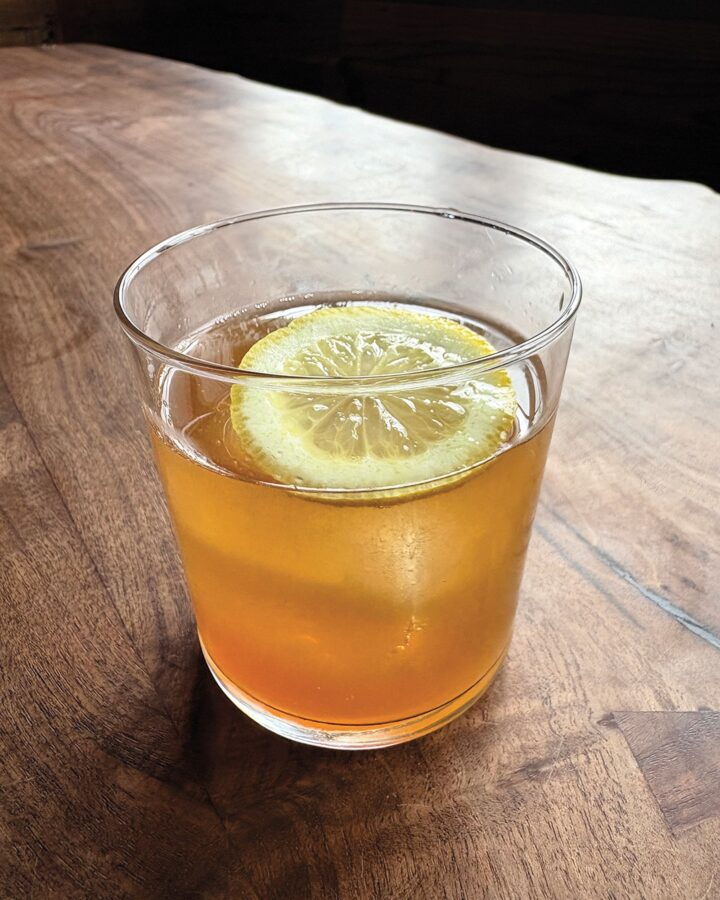
At The Port of Call, Ayala’s Fancy French Cologne ($17) takes a familiar Sour build and adds in bitter elements, blending Madre mezcal, Suze and Salers gentian liqueurs, John D. Taylor’s velvet falernum, fresh lime juice, demerara syrup, and egg white. “Agave spirits are always evolving, and bartenders continue to find new ways to push beyond the classics,” Ayala says. “There will always be a place for Margaritas and Palomas, but innovation adds more nuance and range to how people experience agave.”