There’s perhaps no other spirit category that has transformed more significantly in recent years than agave. Once reserved for poolside slushies, Tequila is now a go-to base in high-end cocktails, and its previously lesser known sibling spirit mezcal is appearing on more beverage menus than ever before. “What’s been most interesting over the last few years is seeing Tequila and mezcal evolve from being associated with only a few classic cocktails into spirits people genuinely respect for their complexity, craftsmanship, and regional identity,” notes Ernesto Coronado, beverage director at Cuerno in New York City.
Eliza Hoar, director of bars at Rosewood Miramar Beach hotel in Montecito, California, attributes this shift to the spirits’ versatility and appeal to novice drinkers and connoisseurs alike. “Someone can enjoy Tequila casually in a Margarita and then discover there’s this entire deeper world of sipping Tequilas, artisanal mezcal, and more complex cocktails behind it,” she says. “Bartenders have definitely helped push that evolution too. Cocktail programs have become a lot more thoughtful about how they use agave spirits, and consumers have become more curious because of it.”
Coronado also notes the important role bartenders have played in elevating agave’s reputation. “As the category has matured, bartenders have started treating agave spirits with the same depth and intention traditionally reserved for whisk(e)y or Cognac,” he says. “Today, you see Tequila and mezcal in everything from refined riffs on the Old Fashioned or Negroni to contemporary cocktails that highlight minerality, salinity, spice, citrus, and savory flavors. They’ve become incredibly important in modern cocktail culture because they can work across so many styles of drinks while still maintaining a distinct identity.”
Let The Spirit Shine
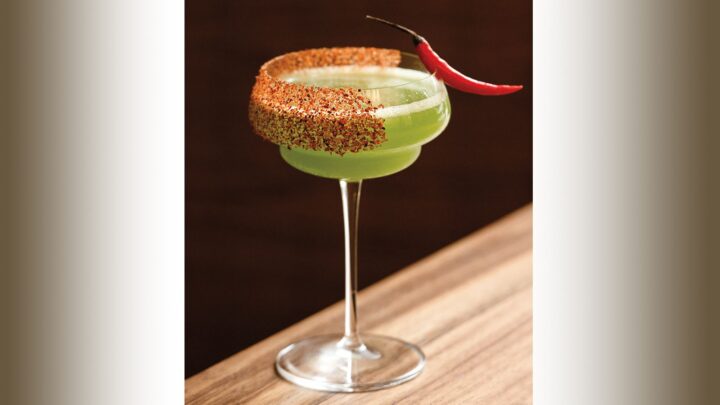
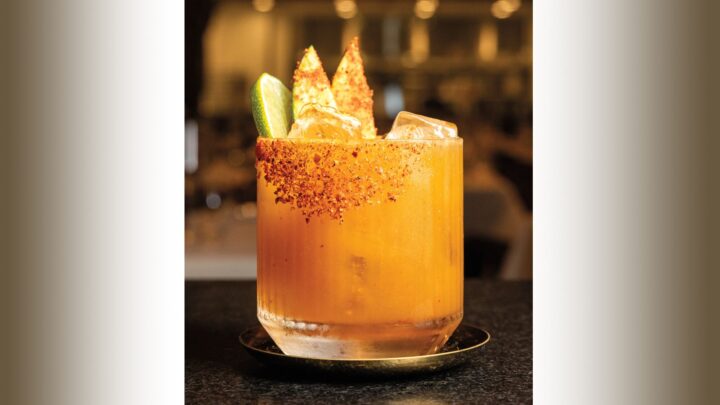
Damian Keehn, bar manager at Adalina Prime in Chicago, notes that Tequila and mezcal have “grown up” in recent years. “Tequila isn’t just a party spirit that you add to big pitchers of sugary Margaritas or Palomas and mezcal isn’t just thrown into a cocktail to ‘make it smoky’—the way we consume agave spirits has become more refined,” he says. “Agave spirits are meant to be enjoyed, not hidden in high-sugar drinks.” At Adalina Prime, lead bartender Jose Hernandez’s Reina del Fuego ($19) features San Matias Extra Añejo Tequila, 400 Conejos mezcal, Liquid Alchemist Tamarindo syrup, mango and lime juices, and agave syrup that’s been infused with habanero, serrano, and jalapeño peppers, served with a Tajín seasoning rim. “Reina del Fuego is a fun, interesting cocktail that doesn’t hide the spirits in them, it amplifies them, and that’s what I think we’re seeing more of on cocktail menus in general, especially when it comes to agave spirits,” Keehn adds. “Good Tequila has lots of personality and flavor, including minerality, pepper, citrus, and earthiness. If you overload it with mixers, you’ll cover up what makes it special. You want to support the spirit, not add ingredients that actively compete with it.”
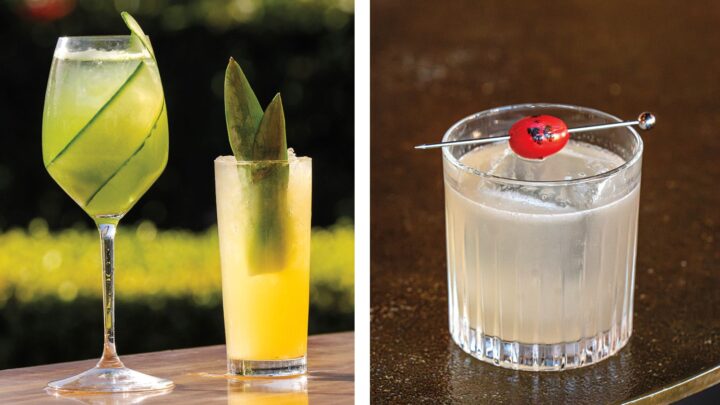
Echoing this, Rosewood Miramar Beach’s Hoar notes that “simplicity usually wins” when working with agave spirits. “A few well-balanced ingredients tend to work better than overly complicated builds because Tequila and mezcal already bring so much character on their own,” she says. “With Tequila, citrus like lime, grapefruit, and orange is always going to work but I also love using tropical fruit, fresh herbs, chile, cucumber, or even saline elements because they bring out the natural character of the agave. Mezcal can go in a slightly deeper or more savory direction: Pineapple, tamarind, ginger, cacao, coffee, spice, and bitter liqueurs all play really nicely with the earthy smokiness.” At the hotel’s Beach Bar, the Charted Limit ($27) blends Don Fulano Blanco Tequila, Nocheluna sotol, Ancho Reyes ancho chile lique PHOTOSpineapple and lime juices, and agave syrup, while the Backside ($27) comprises Lalo Tequila, Chareau aloe liqueur, lime and cucumber juices, agave syrup, and Scrappy’s Celery bitters, topped with soda water. At the hotel’s Manor Bar, the Oranges ($28) mixes Lost Explorer Espadín mezcal, Green Chartreuse liqueur, lime juice, house-made orange cordial, and saline.
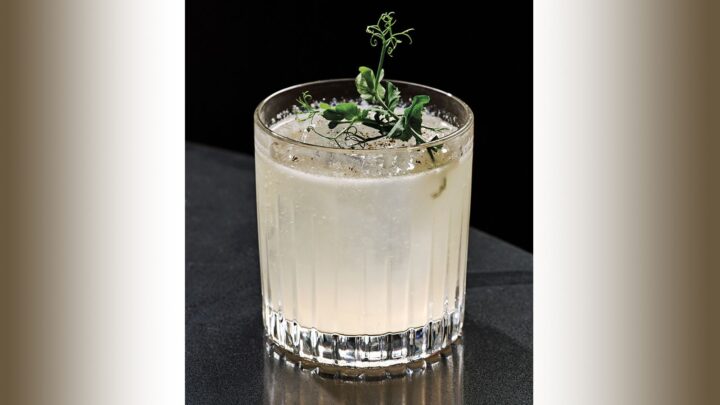
“Tequila and mezcal shine in sour-style cocktails because their bright, fresh agave character pairs well with citrus, and they’re also a great canvas for creative flavor combinations and house-made syrups such as hibiscus, toasted coconut, or other fruit and botanical flavors that complement rather than overpower the spirit,” notes Thandi Walton, beverage director at Hotel Phoenix in Atlanta. “In citrus-driven cocktails, it’s important to find the right balance between acidity and sweetness so the agave spirit remains the focal point rather than getting lost behind the other ingredients. The goal is to highlight the spirit’s unique qualities.” At the hotel’s Zephyr Southern Brasserie, Walton’s Boxcar Burn ($17) comprises Lalo Tequila, house-made toasted coconut and hibiscus syrup, lime juice, Bittermens Elemakule Tiki bitters, and saline, topped with Fever-Tree Sparkling Pink Grapefruit soda and served with a toasted coconut and salt rim, while her Heirloom Station ($17) features Vago Elote mezcal, Heirloom Pineapple Amaro, St. George Green Chile vodka, lemon juice, simple syrup, and saline, garnish with freshly cracked black pepper and a pea shoot.
Ryan Ota, beverage director for M.O. Hospitality Group in San Jose, California, points out that using a quality Tequila or mezcal is key to ensuring your agave cocktail is balanced and delicious. “Some budget-friendly options are too soft to stand up to citrus and bold flavors, especially with Tequila,” he explains. “You need something agave-forward to make sure it doesn’t get lost; it’s all about the individual Tequila or mezcal and how its flavors shine through.” At the group’s Eos & Nyx restaurant, his Jean Claude Pandan ($20) features pandan-infused Lunazul Blanco Tequila, house-made passion fruit syrup, and lime juice, topped with Squirt soda; at its restaurant Strāta, meanwhile, his Sunstone ($19) blends equal parts Ilegal Joven mezcal and Covalle Tomato-Water gin, plus Artonic Nectarine aperitif, lime juice, and agave nectar.
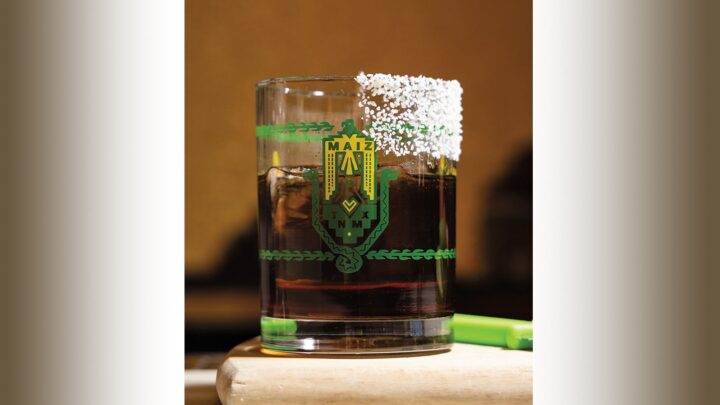
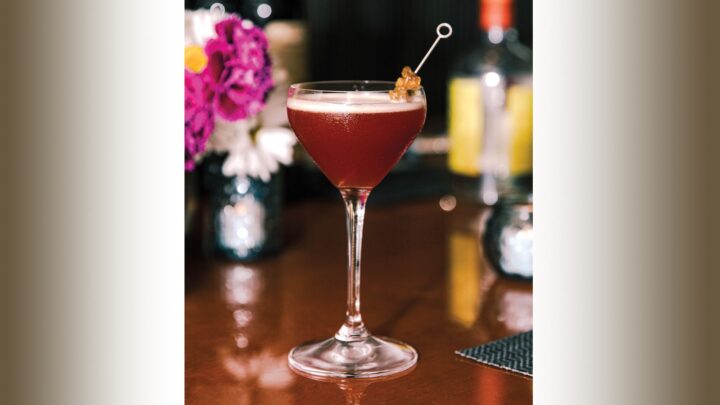
“At Maíz we work very diligently to bring forth flavors that already present in the agave: Grass or pepper in the blanco, oak or spice in the reposado, rest and caramel in the añejo,” says David Broomhead, bar manager at Maíz de la Vida in Nashville, Tennessee. “It’s about honoring the agave. Never use it as a filler; if you put agave into a cocktail, that is the focus and the director.” His Cactus Flower ($18) mixes Cambio Blanco Tequila, chamomile-infused Dolin Dry vermouth, and Fee Brothers Orange bitters. Also an agave-based Martini, the Al Pastor Martini ($18.50)—created by bartender Luis Alatorre and head bartender Diego Livera—at The Cabinet Mezcal Bar in New York City blends Mezcal Mal Bien Espadín mezcal, Dolin Blanc vermouth, Giffard Caribbean Pineapple liqueur, Ancho Reyes Barrica barrel-aged ancho chile liqueur, and Lustau Pedro Ximenez Sherry, topped with house-made achiote guajillo tincture and garnished with a torched dehydrated pineapple slice. On the more refreshing end of the spectrum, Alatorre’s Tepache Margarita ($16.50) comprises Herradura Blanco Tequila, house-made tamarind cordial, pineapple and lime juices, agave syrup, and Chixa tepache, garnished with tepache candy and a dehydrated pineapple slice. “Tequila and mezcal are incredibly versatile spirits and work beautifully with a wide range of ingredients and cocktail styles,” Alatorre says. “Citrus, tropical fruits, herbs, spices, bitter liqueurs, savory flavors, and even floral ingredients all pair well with agave spirits when balanced correctly. Whether it’s a refreshing highball, a stirred, spirit-forward cocktail, or a sour-style drink, Tequila and mezcal can adapt very well. As long as the bartender understands sweetness, acidity, texture, and how to highlight the spirit itself, the possibilities are almost endless.”
At Cuerno, Coronado’s Cuerno Margarita ($22) introduces herbal and vegetal qualities to the classic cocktail, featuring La Familia Platino Blanco Tequila, Empirical Cilantro liqueur, Ancho Reyes Verde poblano liqueur, cucumber and lime juices, and agave nectar, served with a Tajín rim, while his Sombrerita ($22) mixes Manojo mezcal, Flor de Azar triple sec, house-made hibiscus syrup, and lime juice, served with a hibiscus salt rim. “Tequila and mezcal cocktails are moving toward more restrained and ingredient-focused drinks that allow the spirit itself to shine,” Coronado says. “People are becoming more educated about agave spirits, so there’s less need to mask them with overly sweet or complicated builds. Simplicity, balance, and quality ingredients are becoming much more important.”
Thoughtful Techniques
As consumers continue to favor lower sugar beverages, bartenders are presenting Tequila and mezcal in “more elegant” ways, notes Adalina Prime’s Keehn. “Culinary techniques such as clarification, fermentation, fat-washing, and spice layering are becoming increasingly important, alongside the incorporation of savory ingredients, texture-driven builds, and minimalist presentations,” he says. At Adalina Prime, Hernandez’s Marrow & Ember ($18) comprises bone marrow-infused 1792 Bourbon, 400 Conejos mezcal, Punt e Mes and Carpano Antica Formula vermouths, and Angostura bitters, garnished with a piece of beef jerky. “This drink is a Manhattan riff where the marrow-infused whiskey creates a silky richness and savory depth, while the mezcal adds smoke and structure without being overpowering,” Keehn says. “The beef jerky garnish is fun, too—it continuously reintroduces the guest’s palate to peppery, smoky, and umami flavors. The jerky isn’t just there for presentation; it actively changes the experience of the cocktail from sip to sip.”
Rosewood Miramar Beach’s Hoar points out that although agave spirits will always work well with bright, fresh, fruity flavors, “they also handle savory ingredients better than a lot of other spirits,” adding, “People are more open to savory, smoky, earthy, and vegetal flavors than they used to be, and agave spirits naturally fit into that space.” At 7th House in Atlanta, general manager Trent Austin features agave spirits alongside both familiar fruity flavors and more unexpected savory and vegetal ingredients. His Drive On ($15) blends charred avocado-infused Real de Valle Blanco Tequila, house-made cilantro and Fresno chile syrup, house-made passion fruit cordial, fresh lime juice, and Fee Brothers Habanero bitters. “Bar culture and cocktail techniques continue to evolve, and bartenders are finding innovative ways to showcase the versatility of agave spirits,” Austin says. “We’re seeing many more spirit-forward cocktails and more thoughtful use of different Tequila styles, and mezcal has evolved even more dramatically. It’s no longer used solely for its smoky flavor; instead, bartenders are focusing on the spirit’s terroir, production methods, and varietal differences. Rather than overpowering a drink with smoke, mezcal is often used to add complexity, texture, and savory character.” His Do It Myself ($15) mixes pineapple core and fig leaf-infused The Producer mezcal, house-made roasted poblano and huitlacoche syrup, and pineapple juice, and the drink is clarified with a mixture of coconut and whole milk.
Maíz de la Vida’s Broomhead says that agave-based cocktails used to be “just a barren landscape of Margaritas and splashes of soda” but that’s changed significantly. “Now, agave spirits have taken a full view on the cocktail stage,” he says. “They are so expressive and bring forth so much vibrancy, it’s unfair to restrict their space in the show.” His El Capitán ($14) features date-infused Mijenta Reposado Tequila, Fernet-Vallet, Aperol aperitif, house-made Mexican Coke reduction, a splash of Poema Cava, and a squeeze of lime.
At The Cabinet Mezcal Bar, bartender Alexandra Vargas’ Horchata Milk Punch ($17.50) is a clarified blend of El Texano Reposado Tequila, house-made horchata, and lemon juice. “With the growth of the craft cocktail scene in recent years, bartenders now have access to better tools, techniques, ingredients, and education, which has pushed agave spirits into a whole new category behind the bar,” Alatorre says. “From modern riffs on classic cocktails to more thoughtful and elevated presentations, Tequila and mezcal are now staples on cocktail menus everywhere. If you walk into almost any serious cocktail bar today, you will find multiple cocktails featuring these spirits because guests are actively looking for them and are more curious about agave spirits than ever before— I don’t see that slowing down anytime soon.”