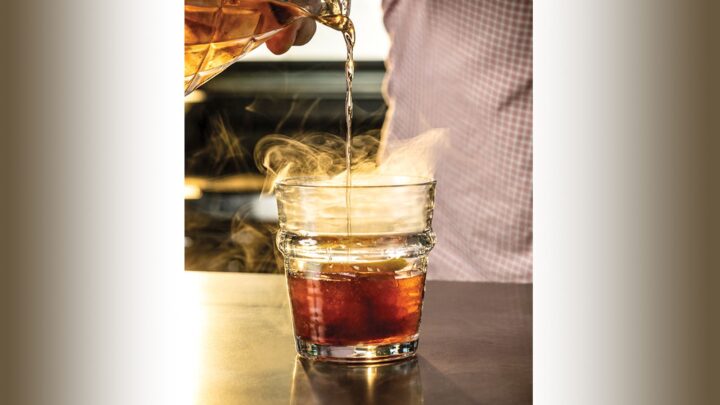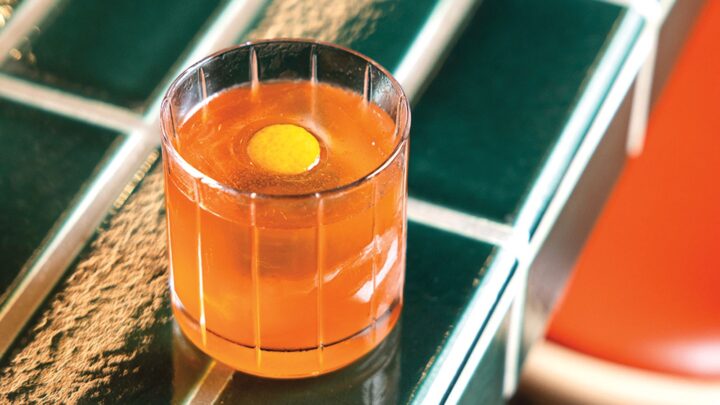
Infusing cocktails with smoke isn’t a new technique, but like with many trends, mixologists have continued to refine the practice, taking something that could have been a passing fad and solidifying it as a worthwhile and elevated way to add depth and complexity to a drink.
“I first noticed smoked cocktails becoming mainstream roughly a decade ago, when bartenders began using smoking guns and tableside presentations to add a theatrical element to classic cocktails,” says Will Peniche, director of food and beverage at Kona Village, a Rosewood Resort on Kailua-Kona, Hawaii. “Initially, the focus was the visual impact but over time, the trend has evolved into a more thoughtful approach where smoke is used as an ingredient rather than simply a garnish.”
Marie Yoshimizu, lead mixologist at Le Bar at InterContinental Seattle Bellevue in Bellevue, Washington, agrees smoked cocktails first took hold during the mid-to-late 2010s, adding that by the time she began bartending in 2020, it was a well-established trend that has only matured since. “Beyond the dramatic presentation, smoke is used today much more intentionally as a culinary technique, enhancing aroma and adding subtle layers of wood, spice, herbs, or floral notes that will complement a cocktail’s flavor rather than overpower it,” she says. “Smoked cocktails continue to be one of the most popular trends in modern mixology, as they transform a drink into a multi-sensory experience.”
Enhance And Elevate
Alex Gore, lead bartender at Anima by EDO in Las Vegas, points out that, although not literally smoked, the Penicillin—created by Sam Ross in 2005—is “widely considered the spark” that led to smoky flavors becoming mainstream in the bartending world. “By floating a peated Scotch over a ginger and honey Scotch Sour, he showed that Scotch is more than some expensive old bottle that your great grandpa sipped on a special occasion,” he says. “A few years later came the Oaxaca Old Fashioned from Death & Co., introducing many guests to a spirit-forward mezcal cocktail. Upscale gastronomic bars began serving tableside smoked cocktails and by 2015, bars around America were filling with smoke and now every major liquor store sells smoke hats and wood chips so the home bartender can put on a show for their guests.”
Miranda Midler, head bartender at Oriana in New York City, notes that smoked cocktails have “fluctuated in fashion,” having even become “kitschy” at a certain point. “But I still believe when done well and with tact, it’s an impressive skill to utilize behind the bar,” she says. “I’m hoping that here at Oriana, we can show that smoked cocktails can still be done with taste, and not just be for show, but actually add something to the drink.” The bar team uses custommade, top-down smokers—also called smoke hats or smoke lids—which are placed on top of the glass, filled with wood chips, then lit and the smoke travels down into the glass “We’ve found that these not only look visually appealing but also impart the right amount of smoke directly into the cocktail,” Midler says. Her Smoking Sol ($20) uses this approach with apple wood chips and comprises Amarás Verde mezcal, Pierre Ferrand Dry Curaçao, acid-adjusted blood orange juice, lime juice, and rich agave syrup. “I like to work with bolder flavors, things that tend to lean more bitter or acidic—these flavors typically hold up better when smoked and retain their flavors even after being infused with a strong smoke flavor,” Midler adds. “The mezcal and acid-adjusted blood orange juice in the Smoking Sol play a heavy hand in the drink and hold the base flavor so that when smoked with apple wood, they still shine through.”
At Anima by EDO, Gore notes that the cherry wood-smoked Old Fashioned Piracy ($16) by former lead bartender Chris Leavitt is very popular. “We serve it in a smoke box resembling a treasure chest—every other guest turns their head to ask what we just served,” he says. The drink features Appleton Estate 12-year-old Rare Casks Jamaica rum, Del Maguey Vida Puebla mezcal, house-made pineapple Demerara syrup, and Scrappy’s Grapefruit bitters and Cardamom JAMESbitters. Also smoked tableside with cherry wood, the Gorillas in the Mist ($15)—by Joe Arakawa, former corporate beverage director for EDO—blends Wild Turkey Bourbon, Giffard Banane du Brésil banana liqueur, Fratello Hazelnut liqueur, and Angostura bitters. “This one has been one of the most popular cocktails we’ve ever served; it’s sweet enough to be enjoyed after dinner, balanced enough to start a meal with, and loved by classic Old Fashioned enthusiasts as much as it is by the 21-year-old new drinker,” Gore says. “I love taking something classic and familiar and elevating it with smoke—it allows you to re-engineer the personality of the cocktail, bringing in a whole new layer of depth.”
A pecan wood-smoked take on the Sazerac, the Smoke & Mirrors ($13.50) at the Florida-based chain Lime Fresh Mexican Grill mixes equal parts Corazon Añejo Tequila and Sazerac Rye plus Peychaud’s bitters and Herbsaint, served over an ice cube comprising Carpano Antica Formula sweet vermouth, Angostura Orange and Cocoa bitters, and Fee Brothers Black Walnut bitters. “There are a number of great techniques for smoking a cocktail, with wood chips remaining the easiest option for tableside presentation,” says Ethan TKAlbrecht-Carrié, who created the drink and serves as Lime Fresh’s director of beverage experiences. “We’ve even experimented with tobacco and cigar cuttings for special events.” His El Jefe ($13.50) is an Americo cigar-smoked blend of Ozama Extra Añejo rum, Grand Marnier orange liqueur, Demerara syrup, Angostura Orange bitters, and Marie Laveau Tobacco bitters. “When used thoughtfully, smoke can make familiar ingredients feel more layered and sophisticated without making the cocktail overly complicated,” Albrecht-Carrié adds. “The key is balance: The smoke should enhance the cocktail rather than dominate it.”
At Maple & Ash, a luxury steakhouse with locations in Boston, Chicago, Miami, and Scottsdale, Arizona, the oak-smoked IDGAF Old Fashioned ($75)—by Mario Flores, bar manager of the Chicago location—features Jefferson’s Tropics Aged In Humidity Bourbon, Lustau Pedro Ximénez Sherry, Zucca amaro, maple syrup reduction, white truffle-infused Fee Brothers Aztec Chocolate bitters, and 24-karat gold flakes. “In addition to physically smoking a cocktail, bartenders are incorporating ingredients like smoked bitters, charred fruit, fire-roasted syrups, grilled citrus, and toasted spices to achieve depth and complexity,” notes Christina Demas, Maple & Ash’s national spirits and brand director. The Lady In Black ($22), which Demas created with Presley Aponte, bar manager of the steakhouse’s Miami location, gets its smokiness from both mezcal and the garnish: It comprises Ghost Blanco Tequila, 400 Conejos mezcal, Cointreau orange liqueur, house-made spiced grapefruit and strawberry syrup, and lime juice, garnished with a sprig of rosemary that’s been lit aflame.
Miley Aryucharoen, general manager and beverage director at Tomat in Los Angeles, prefers smoking individual ingredients rather than the finished cocktail. “It creates a flavor that’s woven into the entire drink,” she says. “We’ve used smoked strawberry as a base for our house chamoy—the smoking gently softens the fruit and concentrates its natural sugars, giving it a more jam-like, almost jelly texture, adding depth to the fruit and spice.” Her Spicy Strawberry Margarita ($20) blends this house-made smoked strawberry chamoy with Campo Azul Blanco Tequila, house-made strawberry shrub, egg white, and soda water. “I love how smoke can completely transform an ingredient,” Aryucharoen adds. “Smoked pineapple tastes sweeter and almost caramelized, smoked tomatoes become richer and more savory, even something like fig leaves or avocado leaves start giving off aromas you wouldn’t normally notice. Fig leaves give off this coconut-like essence, avocado and peach leaves give an almond-like, marzipan scent. It’s discovering another side of an ingredient.”
Experiential Element
Aryucharoen points out that as bartenders have started incorporating more culinary techniques into their bar programs in recent years, “smoking naturally became another way to build flavor instead of just making a drink look cool,” adding that her Saffron Old Fashioned ($20) is a good example of this. “We smoke the fig leaves before infusing them into whey, giving the cocktail a subtle lift with acid and a silkier mouth feel—it’s a simple kitchen technique that translates really well into the bar program and adds another layer to the drink without overpowering it.” In addition to the smoked fig leaf-infused whey, the drink comprises G&W Private Stock Bourbon, simple syrup, Angostura bitters, and saffron-infused oil. “I like integrating smoking techniques into our cocktail program because they help bridge the gap between the bar and the kitchen, reinforcing the idea that our beverage program isn’t separate from the culinary experience,” Aryucharoen notes. “Smoking is also a relatively hands-off technique with a high payoff. It doesn’t just add aroma—it changes the texture, deepens the flavor, and introduces another layer of complexity that guests don’t often experience outside of naturally smoky spirits like mezcal.”
Kona Village’s Peniche appreciates smoke’s ability to engage multiple senses at once. “Unlike many ingredients that affect only taste, smoke can influence aroma, texture, and overall experience simultaneously,” he says. “It can evoke memories of cooking over an open fire, enjoying time outdoors, or gathering with friends and family—that emotional connection is what makes smoke such a unique tool behind the bar.” At Kona Village’s Kahuwai Cookhouse, the Smoked Mai Tai ($24) is smoked with the native Hawaiian wood kiawe and mixes Kuleana Rum Works Hawaiian rum agricole, Pierre Ferrand Dry Curaçao, house-made macadamia nut orgeat, lime juice, and house-made Hawaiian chili tincture. “Guests are always intrigued by smoky cocktails because they deliver both flavor and experience, and there’s certainly an interactive element that attracts attention, but the popularity goes beyond presentation—guests today are increasingly interested in cocktails that tell a story and reflect a sense of place and smoke naturally creates that connection,” Peniche adds. “At Kahuwai, smoke feels particularly authentic because our culinary identity is rooted in wood-fired cooking and Hawaii Island ranching culture, making the cocktail feel like an extension of the overall dining experience. Guests love how Kahuwai’s beverage program and culinary program work in tandem.” Peniche believes that in the future bartenders will increasingly use local woods and other indigenous ingredients and techniques in their smoked cocktails to create the “genuine connection to place” that guests are seeking more and more.
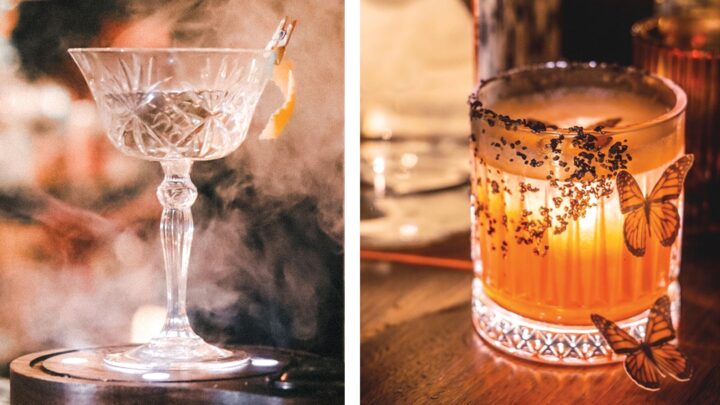
Christopher Rodriguez, bar manager at Con Amor in Napa, California, similarly notes the many levels of enjoyment a smoked cocktail can elicit. “Often it starts with the visual—most guests don’t even ask what’s in it; they see the smoke and they’re in. But there’s a deeper layer too: Palo santo in particular is deeply rooted in Mexican culture, and when guests recognize it on a menu, especially alongside something like Loco Tequila, there’s a real sense of connection to something radically authentic,” he says. His Loco Santo Martini ($25) is smoked with palo santo and blends Loco Blanco Tequila, Cocchi Americano aperitif, Cocchi Dry vermouth, Fee Bitters Orange bitters, and Bittermens Winter Melon bitters, while bartender Anthony James’ Paloma Negra ($23) has smoked black lava salt on the rim and comprises Loco Blanco Tequila, Palomo Espadín mezcal, lemon juice, Briottet crème de mûre liqueur, Bénédictine herbal liqueur, and agave syrup.
For Lime Fresh, smoke also has a particular significance. “It pairs naturally with the bold, fresh flavors found throughout Mexican-inspired cuisine, making it a seamless fit for our menu,” Albrecht-Carrié says. “Smoked cocktails are becoming less about novelty and more about thoughtful execution, quality ingredients, and creating a well-rounded guest experience.” His cherry wood-smoked Smoked Oaxaca Old Fashioned ($13.50) features Corazon Añejo Tequila, Del Maguey Vida mezcal, agave nectar, Angostura Orange and Cocoa bitters, and Bitterman’s Xocolatl Mole bitters.
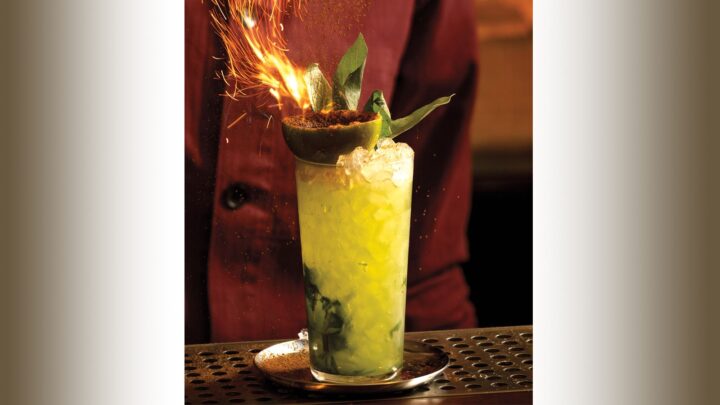
Oriana’s Midler enjoys that smoked cocktails genuinely excite guests. “Bringing a cocktail that is actively smoking, or in some cases still on fire, to the table creates a moment of awe and interest, keeping every element of the dining experience here as engaging and exciting as possible,” she says. Her Basilico Swizzle ($20) mixes Pa’alante Reposado rum, Lustau Amantillado Sherry, fresh lime juice, cane syrup, and muddled basil, garnished with a hollowed lime filled with equal parts Angostura bitters and Wray & Nephew Overproof rum, which is lit aflame and then dusted with ground cinnamon. “Removing a smoker tableside, allowing the guests to witness the plume of aromatics wafting from the glass, or delivering the Basilico Swizzle, which has a live fire when it arrives to the guest and encourages them to extinguish the flame themselves and incorporate the ingredients before they enjoy, makes these more than just drinks on the table; they become interactive,” Midler adds.
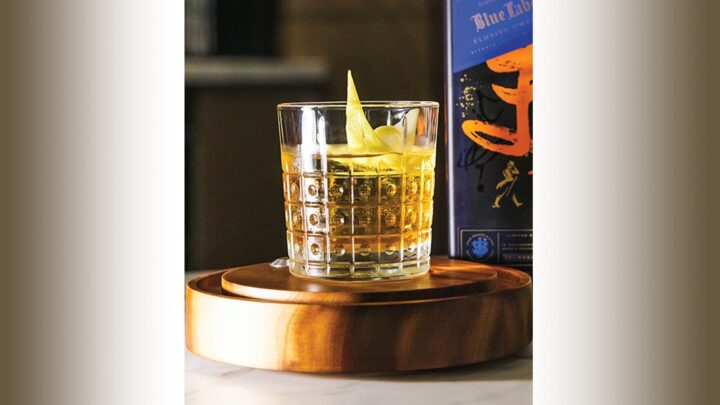
Guests at Le Bar continue to be drawn to smoked cocktails because they offer something memorable, Yoshimizu says. “The presentation captures attention, but it’s the balance of aroma, flavor, and craftsmanship that keeps people ordering them,” she notes. “Many people associate smoky aromas with comfort, wood-fired cooking, aged whisk(e)y, or a cozy fireplace, making these cocktails both familiar and sophisticated.” One of the bar’s signature cocktails, Yoshimizu’s Koku & Umami ($105), is an oak-smoked, savory take on the Old Fashioned blending Johnnie Walker Blue Label Elusive Umami, house-made milk oolong honey syrup, and The Japanese Bitters Umami bitters. “I believe smoked cocktails are here to stay, but the industry is moving toward more refined and intentional applications,” Yoshimizu adds. “Rather than using smoke simply for dramatic presentation, bartenders are focusing on culinary techniques that build complexity and create harmony within the drink. The future of smoke in cocktails is about purpose and balance, where every aromatic element contributes meaningfully to the overall experience.”