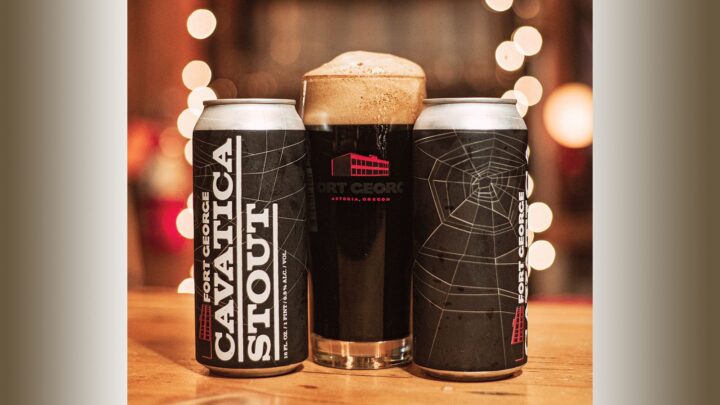
Nearly 20 years ago, Fort George Brewery in Astoria, Oregon found a solution to one of the biggest conundrums faced by craft brewers and beer retailers alike: how to grow beer sales during the traditionally slower winter months. The brewery launched its February “Stout Month” promotion—a 28- or 29-day salute to the dark beer style—in 2007 and hasn’t looked back. Today, the month-long celebration features numerous stout renditions on tap, including special releases and recipes from Fort George team members. As a result, “February has been transformed into May,” says marketing director Brian Bovenizer. “It’s given consumers a reason to come out.”
Indeed, appreciation for dark beer styles is spreading, and stouts—the most popular dark beer style—are seeing a bit of a resurgence, driven in part by renewed interest in the iconic Guinness brand among many consumers. “After years of consumers demanding hoppy beers like IPAs, they’re enjoying a shift away from hops with stouts and porters,” says Jhon Gilroy, western regional manager for Merchant du Vin, importer of brews such as Samuel Smith Organic Chocolate stout and Nut Brown ale. Craft beer styles like pastry stouts have also helped ratchet up awareness about classic stouts, the importer continues, while rising interest in lagers and pilsners is shedding a light on dark lagers.
During Fort George’s 2026 Stout Month, dozens of stout expressions—ranging from pastry stouts to oyster stouts to barrel-aged imperial stouts—were unveiled on draft and in bottles and cans at the brewery’s taproom and three restaurants, all located on its city-block-long campus. Special menu items and pairings were also promoted, such as stout stew and oysters with Fort George’s Cavatica, which Bovenizer says is the top-selling stout in Oregon.
The highlight of Stout Month is the brewery’s one-day Festival of Dark Arts, a salute to both stout and the world of art, staged on the brewery’s property. This year, the event attracted more than 3,000 attendees and showcased 91 stouts from 71 U.S. craft breweries, along with musical, magical, and dance performances. It’s at the annual festival that Fort George typically releases its big barrel-aged stouts, such as variants of the Matryoshka series.
Stouts are also a big contributor to sales at Lakewood Brewing Co., in Garland, Texas, where Temptress imperial milk stout is the No.-1 seller and best-elling craft stout in the Lone Star State, according to head brewer Ashton Guerrero. Temptress is buttressed by four seasonal variants. The current seasonal offering—Pumpkin Spice Latte—was unveiled about four years ago and remains popular, while the Dubai Chocolate winter seasonal launch earlier this year did so well the brewery had to make more, Guerrero says.
Within the Samuel Smith line of lagers, ales and dark beers from England, meanwhile, it’s Organic Chocolate stout that has emerged as the flagship, Gilroy notes. In the last few years, the variant has been expanded on draft and in cans, and “response has been fabulous,” he says. Sister brand Nut Brown ale was also expanded on draft earlier this year.
Beer retailers also report an uptick in sales of dark beers, especially stouts. “In the past, sales of Guinness would drop off after St. Paddy’s Day,” remarks Nick Rogers, manager at White Horse Wine & Spirits in Absecon, New Jersey, “but that wasn’t the case this year.” The Irish stout ($17 an 8-pack of 15-ounce Pub cans) is one of the top-selling stouts at White Horse.
While overall, sales of stouts and other dark beers continue to skew toward cold weather months, inroads are certainly being made in expanding demand year-round. Merchant du Vin’s Gilroy says that with the availability of Sam Smith Organic Chocolate Stout on draft, sales are growing beyond the first quarter. “It used to be that people didn’t drink dark beers in the summer,” he says, “but now we’re finding that they do.”