Vermouth’s handling behind the bar has been a bit of a rollercoaster, notes Roy England, beverage director and bar manager at Olivero in Wilmington, North Carolina. “When the original cocktail boom happened, vermouth was a component in an overwhelming majority of cocktail recipes, but nearing the latter half of the 20th century, vermouth really fell out of favor, becoming a dusty bottle on the back shelf that was rarely touched,” he says. “Since vermouth has a limited lifespan once opened, many bottles behind the bar were spoiled, so when a guest would get a Martini with vermouth, obviously it tasted like garbage and that flavor would be attributed to the vermouth—this is when extra dry Martinis became the default for many Martini drinkers.”
But England adds that once the modern craft cocktail movement took hold at the turn of the 21st century, bartenders began experimenting with vermouth again. “And as Prohibition-era cocktails started to rise in popularity, vermouth began to reclaim its rightful place in the cocktail world,” he says. “Today, after what seems like a long hiatus, vermouth is finally becoming popular again with the general public in the U.S.”
Trinity Avalos, bar lead at Canela Bistro Bar in San Francisco, also notes this shift in vermouth’s reputation, noting that it “stopped being invisible” in recent years. “For decades it played a supporting role: the thing you added a dash of in whiskey or gin, a modifier measured in quarter-ounces, designed to round edges without being noticed. That’s changed,” he says. “Vermouth has moved to the center of the glass. You see it served neat over ice, in Spritzes, and as the base spirit in
cocktails rather than the thing hiding behind Bourbon or London Dry gin.”
Avalos believes this change can be attributed to two main factors. “One is quality: When you’re working with something like Fot-Li or Atxa or Alma de Trabanco, there’s enough complexity to anchor a drink. These aren’t industrial products designed to disappear—they have terroir, botanical intention, and unique aging programs,” he says. “The other part is how we treat it: it’s refrigerated, dated, rotated, and treated like the wine it is. That shift in care has changed what’s possible; a fresh, properly stored vermouth can do things a six-month-old oxidized bottle never could.”
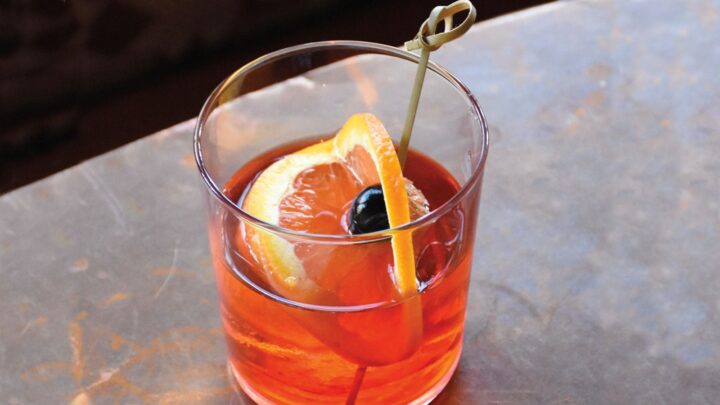
Structure And Complexity
Amy Racine, beverage director and partner for JF Restaurants and its Boston restaurant The Vermilion Club, notes that vermouth has become a revered cocktail ingredient in recent years. “Behind the bar, bartenders treat vermouth like a category rather than a single bottle, you see multiple styles on the back bar and house blends—it’s not a default modifier anymore, it’s a deliberate choice,” she says. “The SUKICHrise of Negroni culture and the return of the Martini have made vermouth more visible, and producers have raised the quality of what’s available. Bartenders are excited to showcase it and guests are curious enough to follow.”
The bar team at The Vermilion Club uses multiple vermouth brands and styles to add their own twists to classic cocktails. The Martinez ($17) comprises Bombay Dry gin, Dolin Blanc and Carpano Antica Formula vermouths, Pierre Ferrand Dry Curaçao liqueur, Luxardo Maraschino liqueur, Kübler absinthe, and Regans’ No. 6 Orange bitters; the Harvard Cocktail ($16) mixes Ferrand Cognac, a house sweet vermouth blend of Carpano Antica Formula and Punt e Mes, Regans’ No. 6 Orange bitters, and Angostura bitters; and the Coffee Rumgroni ($19) also features the house sweet vermouth blend, plus a house rum blend of Barcardi, Planteray 3 Star, Smith & Cross, Santa Teresa 1796, and Goslings, Campari aperitif, Mr. Black cold brew coffee liqueur, and Fee Brothers Aztec Chocolate bitters.
Similarly, a take on the Negroni, England’s The Three Graces ($16) at Olivero blends equal parts Manuel Acha Atxa Rojo vermouth, orange peel-infused Sutler’s gin, and Cappelletti aperitif. “The bitterness in vermouth makes it a lovely component in cocktails that are more spirit-forward,” England notes. “Every vermouth producer is making their own take on the drink, each with its own flavor characteristics, making it a deep and unique world to dive into. A blanc vermouth can add lovely herbal, citrus, and bitter notes to a drink; alternatively, a rosso vermouth can add amazing flavors of orange, vanilla, and woodsy spice to your drink.” His My Second Rodeo ($16) comprises Sazerac rye, Cocchi di Torino vermouth, Del Maguey Puebla mezcal, Montenegro amaro, Drambuie Scotch whisky liqueur, and Angostura bitters.
“Vermouth is a bridge ingredient: It connects spirits to citrus, to bitters, to other fortified wines,” says Canela Bistro Bar’s Avalos. “The botanicals give you aromatics, the wine base gives you acidity and body, and the fortification gives you grip—that combination lets it flow between worlds.” His La Gran Vía ($14) is a Boulevardier riff featuring equal parts Fot-Li vermouth, Evan Williams Bourbon, and Campari. “At Canela we lean into Spanish and Mediterranean flavors: Sherry, Campari, Spanish gins, citrus,” Avalos notes. “Vermouth becomes the structural center that lets those ingredients talk to each other without dominating the conversation—it makes the conversation possible.”
Avalos adds that good vermouth has structure due to its tannins, acidity, and bitterness. “It gives cocktails a backbone that pure spirits often lack,” he says. “Mezcal has fire but no grip, gin has aromatics but can feel thin—vermouth fills those gaps. It’s the ingredient that makes other ingredients better.” His Bay Leaf Gibson ($17) mixes Marin Coastal gin, Atxa Dry vermouth, house-made bay leaf tincture, and pickled shallot brine. “Vermouth is inherently collaborative; it doesn’t dominate a drink but negotiates it by filling those gaps between ingredients,” Avalos says. “The Bay Leaf Gibson works because Atxa Dry’s elderflower and green herbs create room for the bay leaf tincture to come SUKICHforward. The vermouth isn’t competing for attention, it’s too busy hosting the party.”
Patrick Beierschmitt, bartender at Apéro, located in the Conrad Orlando at Evermore in Orlando, Florida, refers to vermouth as a “subtle but essential modifier” and an important tool for bartenders. “As little as a quarter ounce can dramatically enhance a drink’s depth and structure,” he says. “It can bring brightness, bitterness, aromatics, or a smooth roundedness. From fresh and lively to rich and herbal, vermouth allows a bartender to shape a cocktail’s character with subtle precision.” At Apéro, the Claypot Negroni ($24)—created by Giancarlo Mancino, a vermouth maker who also consulted on the cocktail menu—comprises Mancino Rosso Amaranto and Chinato vermouths, Bombay Sapphire gin, Rinomato Bitter Scuro and Americano Bianco aperitifs, and Scrappy’s Grapefruit bitters. “Vermouth’s versatility allows it to complement nearly any spirit, whether in a shaken or stirred cocktail,” Beierschmitt adds. “And with the clear shift among guests toward lower-abv cocktails, vermouth fits perfectly into that space, shining in light Spritzes or even just with soda water.”
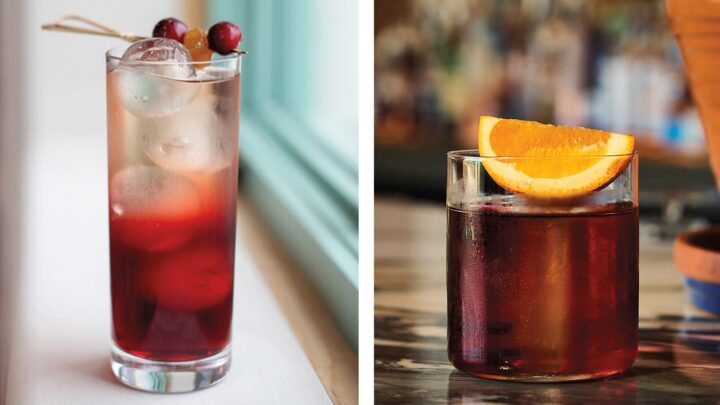
Low Abv, Big Flavor
With low-abv cocktails here to stay, vermouth is proving more useful than ever behind the bar. “Vermouth is growing more popular because it has lower abv without sacrificing complexity,” Avalos says. “People want drinks that taste sophisticated but don’t flatten them after two rounds and vermouth delivers that. A Spritz or a vermouth-forward cocktail can have the same aromatic depth and flavor interest as a stirred whisk(e)y drink at half the alcohol. You can have a drink like my Cava 75 before dinner and still be present for the meal.” This drink ($16) cuts the Citadelle gin base with Alma de Trabanco vermouth and also features lemon juice, simple syrup, and a top of Avinyó Reserva Brut Nature Cava.
“Vermouth is an easy, inexpensive way to add length and complexity without high proof or long infusions,” says Krystin Reuber, beverage director at PostBoy in New Buffalo, Michigan. “Vermouth can be the main character of a cocktail or the supporting character, and it’s also enjoyable on its own. Few ingredients play so many roles so well.” Cocchi di Torino vermouth is the base of her Sleigh My Name ($16), which also comprises St. George Bruto Americano aperitif, Campari, house-made cranberry ginger syrup, and Regans’ No. 6 Orange bitters, topped with Poggio Brut Prosecco. Meanwhile, her Lucid Moment ($17)—which she notes was the top-selling cocktail for PostBoy last year—features a base of Comoz Vermouth de Chambéry, plus guava-infused Espolòn Blanco Tequila, SoonHari Strawberry soju, house-made acid-adjusted guava leaf syrup, saline solution, and Bittercube Cherry Bark Vanilla bitters.
To encourage people to explore vermouth more in depth, Park Rose at Hotel Park Ave in New York City touts tableside vermouth bar cart service, offering guests a selection of vermouths, including house-made options, that can be enjoyed on their own, in a tasting flight, or in a cocktail. “I’ve had a deep appreciation for fortified wines for many years and vermouth, in particular, fascinates me; it begins as a complex base wine and is then transformed through the infusion of botanicals, including herbs, spices, roots, and flowers—it’s an alchemical process that creates something layered, aromatic, and often underappreciated,” says Gary Wallach, managing partner of Renwick Hospitality Group, which owns Park Rose. “These wines have been hiding in plain sight, and at Park Rose, we’re bringing them forward with purpose.”
Indeed, vermouth takes center stage in many of Wallach’s cocktails on the menu. His Rose & Elderflower Spritz ($22) mixes house-made rosato vermouth, Cappelletti, and St-Germain elderflower liqueur, topped with Luca Paretti Prosecco Rosé and club soda; his Green Apple Bellini ($22) blends house-made charred grapefruit vermouth, Código Reposado Tequila, a touch of Berentzen apple liqueur, house-made lacto-fermented cinnamon green apple sherbert, and malic and citric acids, topped with Luca Paretti Brut Prosecco; and his Spiced TKCranberry Sour ($22) features house-made cranberry vermouth, Foro amaro, a touch each of Noilly Prat dry vermouth and Westland American single malt whiskey, lemon juice, and simple syrup. “Vermouth has such a depth of flavor in a single bottle so that instead of grabbing five different ingredients, you can use vermouth to bring layers of sweetness, bitterness, herbs, spice—all built in,” Wallach adds. “These flavor-packed wines are cocktail gymnasts: flexible, expressive, and surprisingly powerful.”
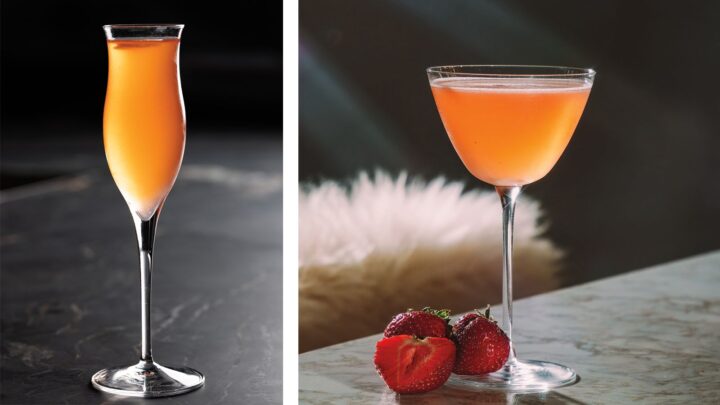
Lighten And Lengthen
In addition to serving as a flavorful base in low-abv cocktails, vermouth is being used in increasingly creative ways by bartenders. “Vermouth is now frequently being used to lengthen and add depth to original cocktails and invert classics like the Martini,” Reuber says. Her 50/50 Martini ($15) comprises equal parts Comoz Vermouth de Chambéry and Lalo Blanco Tequila, saline solution, and Regans’ No. 6 Orange bitters. At The Vermilion Club, the Corpse Reviver No. 1, traditionally Cognac-based, instead features a house sweet vermouth blend of Carpano Antica Formula and Punt e Mes as the base alongside smaller amounts of D’Ussé Cognac, DuPont Calvados, Pierre Ferrand Curaçao liqueur, Kübler absinthe, and Angostura bitters.
“Vermouth has had a very easy home in classic drinks like Manhattans and Martinis but it’s now a more creative outlet for drinks that need a bit more length and could use something lighter,” says Kristine Gutierrez, partner and general manager at Kabin in New York City. The venue’s Berry Solo ($20) features Altamura vodka, Dolin Blanc vermouth, Le Mone Meyer lemon aperitif, lemon juice, house-made strawberry-yuzu kosho-rooibos tea syrup, and house-made dill tincture. Similarly pairing vermouth with light, bright ingredients, lead bartender René Nyugen’s Amalfi Coast ($18) at Apéro blends equal parts Mancino Bianco Ambrato vermouth and Plymouth gin, plus lime juice, simple syrup, saline, and muddled cucumber and mint. “In the Amalfi Coast, Mancino Bianco Ambrato vermouth highlights fresh, citrusy, and floral notes, creating a bright, refreshing cocktail with layered freshness and subtle depth, where the vermouth ties all the flavors together,” Beierschmitt says.
Gutierrez adds that vermouth is so versatile even classic cocktails that don’t typically feature it can benefit from its addition. “There’s really no limit to the use of vermouth and there are now so many different bottles, each with such different characteristics and botanicals, it can be in anything from a Margarita to a Gimlet,” she says. “We use a sweet vermouth in our Margarita to bring sweetness and depth—it adds so much balance to a drink without compromising the general abv.” The drink she refers to is called The Scream ($20), mixing Don Fulano Blanco and Reposado Tequilas, Martini & Rossi sweet vermouth, lime juice, and house-made corn cordial.
At Xuntos in Santa Monica, California, the Señorita ($18) is similarly a Margarita variation: Created by bar consultant Kim Stodel, it blends Real del Valle Blanco Tequila, Trabanco Alma Quinquina vermouth, and house-made sour mix. “Vermouth has been neglected, maybe even subbed out entirely in some recipes, so I’m glad to see more vermouth popping up in places you wouldn’t expect it, like mixed into shaken cocktails, lightening and lengthening them at the same time,” says Xuntos bar director Scott Baker. The Playa De Vega ($18), which Baker created with bartender Chase Cornell, comprises Verde Amarás mezcal, Lustau Blanco vermouth, Yellow Chartreuse liqueur, house-made lemon syrup, and lemon juice. “We’ve found a lot of success using vermouth in shaken drinks with citrus,” Baker adds. “Good vermouth brings a savory component to cocktails, whether it has more herbaceous notes or is loaded with baking spices. They add an extra layer of complexity to cocktails and contribute an artisanal, homemade, idiosyncratic quality.”