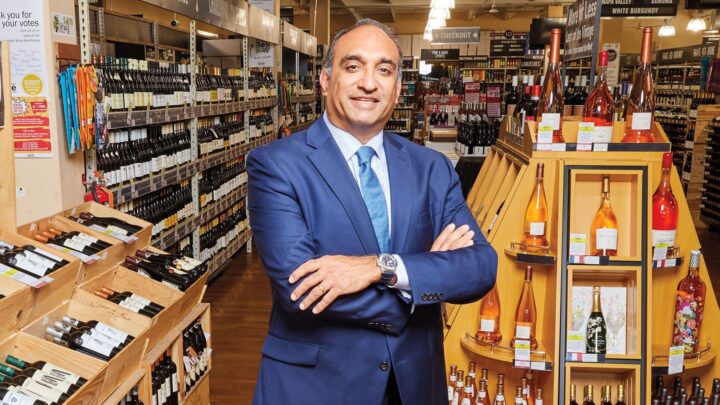
The stakes have been raised higher in the fight over retail wine and spirits sales in New York. The “New York State Of Wine” coalition of supermarkets supporting wine in grocery store (WIGS) legislation continues strengthening with Instacart joining a lineup including Wegmans, ShopRite, Whole Foods (Amazon), and Stop & Shop. “They are ramping this up and spending an enormous amount of money and time,” says Michael Correra, executive director of the Metro Package Store Association and co-owner of Michael Towne Spirits & Wine in Brooklyn, New York. “It would be catastrophic for wine and spirits retailers if this legislation was allowed.”
State senator Liz Krueger and state assemblywoman Pamela Hunter reintroduced a bill January 7 to allow wine sales in grocery stores. A new twist was added January 23 when state senator Luis Sepulveda unveiled legislation to sell wine and spirits in grocery stores. “If wine went to grocery stores, eventually liquor would also be sold in grocery stores because the spirits would want to be sold where wine is sold,” Correra says. “Then the wine and spirits package stores would cease to exist in a very short period of time.”

While New York is one of 10 states prohibiting wine sales in grocery stores, the state is unique because there are no wine and spirits retail franchises. Since Prohibition was repealed in 1933, every liquor store is independently owned with only one license allowed per entity. Correra is encouraging New York’s approximately 3,500 independent wine and spirits retailers to join a grassroots letter writing campaign opposing WIGS. “It’s very hard to get our message across,” he says. “Small businesses are the lifeblood of our communities. It’s one of the last few independent stores left on Main Street. Legislators recognize there are empty storefronts throughout our Main Streets and shopping centers.”
Online campaigns from “New York State Of Wine” and Instacart, which joined the coalition October 2025, claim revenue from the WIGS legislation can help offset federal funding cuts to food security programs, such as the Supplemental Nutrition Assistance Program (SNAP), which the coalition claims is squeezing household budgets and pulling dollars out of neighborhood grocery stores in rural areas and underserved urban neighborhoods.
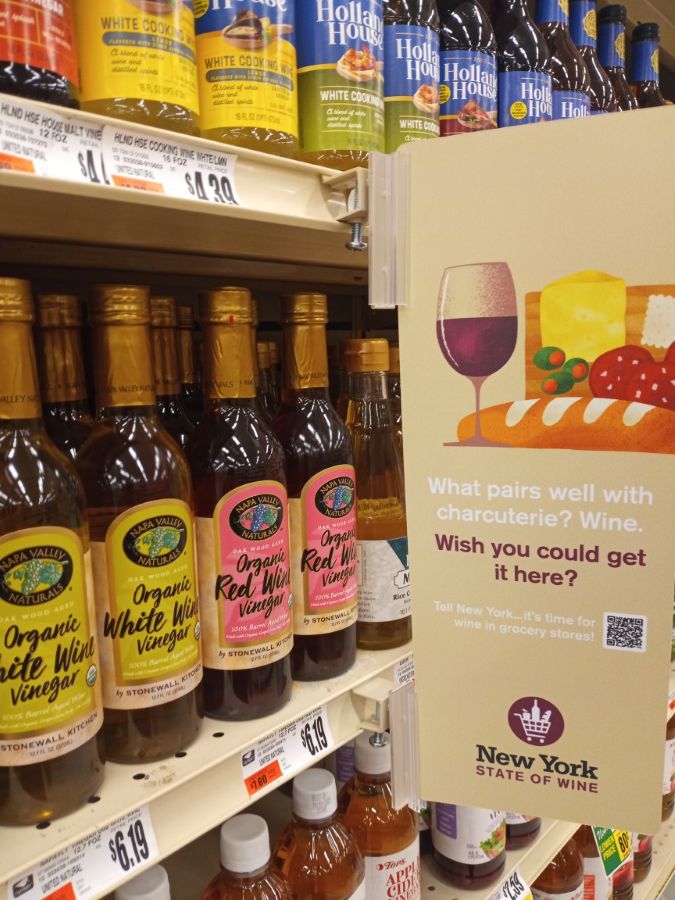
“Wine in grocery stores would modernize our prohibition-era liquor laws and provide an extra revenue stream for those stores at a crucial time, while also bringing in much-needed tax revenue and bolstering local wineries,” says Colby Hamilton, spokesperson, “New York State of Wine,” adding that increased licenses will raise sales. “In the first year that Tennessee allowed the sale of wine in grocery stores, the state saw a 17% increase in wine sales tax collections. We expect a similar increase in overall wine sales as a result of this legislation in New York.”
WIGS became legal in Tennessee in 2014 when the nationwide wine industry experienced robust sales. “Adding multiple locations to sell wine isn’t going increase consumption,” says Sunil Khurana, owner of Westchester Wine Warehouse in White Plains, New York. “Wine consumption has been going down. The benefit is just going to be a detriment and a negative impact on independent stores.”
Khurana says WIGS will ultimately take choice away from wine consumers. “Supermarkets are only going to carry the big-name wine brands, and sell at prices we can’t compete with,” he says. “Originally, it might lower prices, but market dominance will lead to higher prices. You will only have a few players left, and there will be less competition because it will be absorbed.”
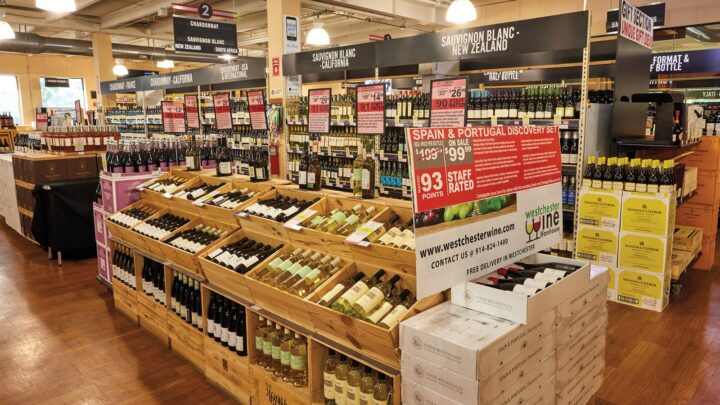
New York State has the largest selection of domestic and imported wines with about 70,000 wine SKUs, according to Khurana. “We have more importers in our state than any other state because we have a robust independent market encouraging choice versus chain markets focused on big brands and private brands,” he says.
Khurana also expresses concerns regarding developments in Colorado where WIGS became legal in March 2023. “Adding competition from the big supermarkets is going to devastate business for small independent retailers,” he says.
Hamilton claims the contention that many independent beverage alcohol retailers in Colorado have closed is misleading. “Colorado saw a decrease of 35 retail liquor store licenses from 2024 to 2025, which is 2%,” he says.

Colorado retailers stand by their contentions. Since WIGS went into effect in 2023, about 220-240 independent beverage alcohol retailers have closed, according to Mat Dinsmore, president of Colorado Independent Liquor Stores United and owner of Wilbur’s Total Beverage in Fort Collins and Wyatt’s Wet Goods in Longmont, Colorado. “It’s a disaster,” he says. “The amount of retailers that are either on credit hold or simply not getting shipped to is about 600. They can’t pay their bills, or they’ll pay and get caught up, do a bigger order and then not pay for four to six months.”
A moratorium went into effect in Colorado last year preventing the further expansion of spirits sales in big box and grocery stores. Independent alcohol retailers, however, continue struggling with the average retailer experiencing a 60% sales decrease last year, according to Dinsmore. “My two stores were off 27% pre-Covid 2019 numbers,” he says. “I traditionally had 40-45 team members. I now have 19.”
Dinsmore says New York independent wine and spirits wholesalers need to hang together and stand up to the supermarkets. “In New York, WIGS would devastate multi-generational family businesses,” he says.