Italian bitter liqueurs, including amari, have become increasingly popular in the U.S. bar scene, which wasn’t the case even as recently as five or six years ago, notes Zack Thomas, beverage director for Capulet Cocktail Club in Raleigh, North Carolina. “Drinks like the Negroni and the Aperol Spritz did a lot of the work there; they introduced bitterness in a way that felt refreshing instead of intimidating,” he notes. “In Raleigh, I’d say guests don’t always know the word amaro, but they recognize the style pretty quickly once they taste it. People usually respond really positively to it. What I see a lot is once someone finds one bitter cocktail they enjoy, they start exploring the category more—it opens the door to a whole new set of flavors.”
Francis Coligado, bar manager at Füm in Atlanta, also notes the importance of the Negroni and Aperol Spritz in introducing Italian bitters to consumers, noting that even among those who may know very little about the broader category, they’re usually familiar with Campari and Aperol thanks to these drinks. “That said, many guests are still exploring the category since stronger, more herbal styles like Fernet-Branca can be a little intense at first, so bartenders often BITTERSplay a big role in introducing people to them,” Coligado adds.
Consumers’ increased acceptance of Italian bitters—and more bitter flavors in general—has certainly been led by influential bartenders using them more in their cocktails. “What was once a niche category that many guests had never heard of or fully embraced has now become a central part of modern cocktail culture,” says Lawson Ballinger, head bartender at Four Walls at The Joseph hotel in Nashville, Tennessee. “As drinkers have grown more comfortable with bitterness and more curious about complex flavors, bartenders have increasingly turned to Italian bitter liqueurs as versatile building blocks.”
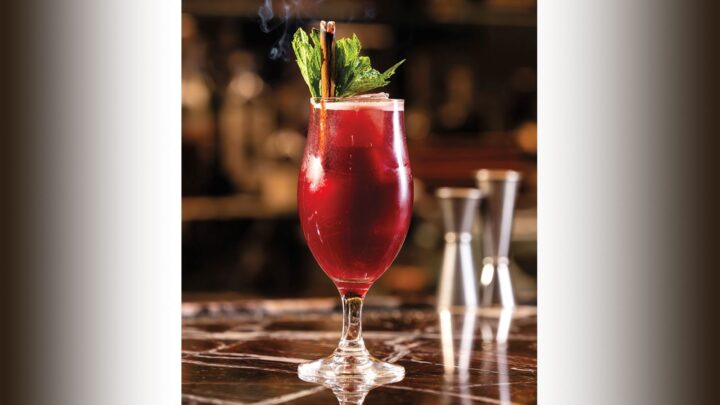
Cocktail Seasoning
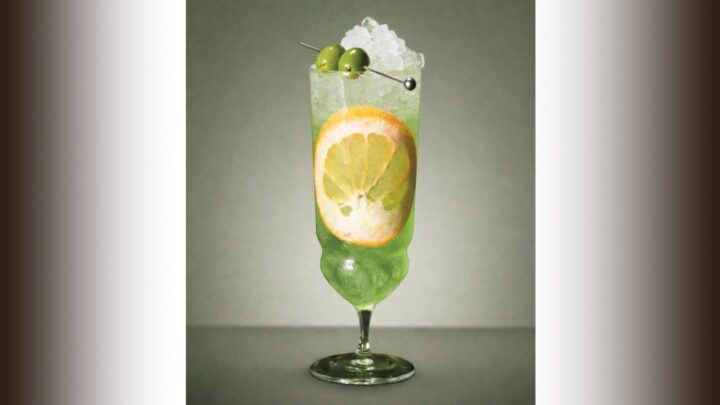
When working with Italian bitters in cocktails, balance is everything. “Even a quarter ounce of bitters can sharpen a drink and bring the other ingredients into focus, while too much can bulldoze everything else in the glass,” Thomas explains. “Dilution matters a lot too: I’ve found bitter liqueurs really open up once they hit a little water or carbonation. That’s one of the reasons they work so well in Spritzes and Highballs.” At Capulet Cocktail Club, his Sunken Kingdom ($16) blends equal parts Strega herbal liqueur and Sturm Sauvignon Blanc, plus Giffard Blue Curaçao, lemon juice, and soda water. “People want cocktails that feel layered but still easy to drink,” Thomas adds. “Aperitivo-style drinks fit that really well.”
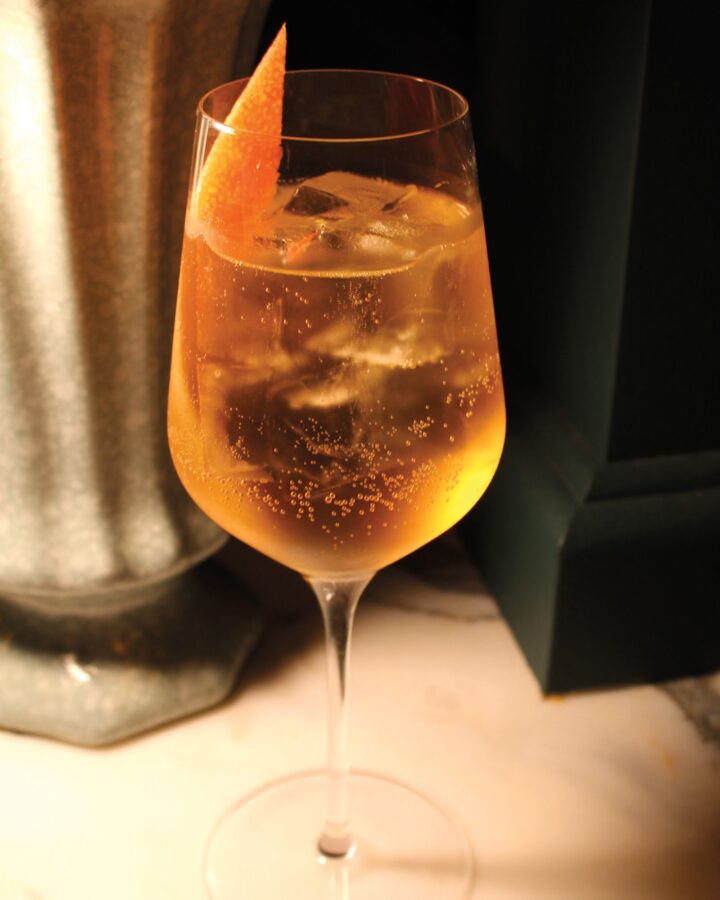
Echoing this, Gavin Williams, lead bartender at Dora Ristorante in La Jolla, California, notes that guests are looking for lower-abv drinks that “still deliver strong flavor,” so Italian bitters are popping up in more cocktails. “At the same time, drinks have become more unapologetically bitter as palates shift in a more savory direction,” he adds. “Because of that change, bartenders aren’t afraid to put these liqueurs at the forefront of cocktails rather than just using them as modifiers.” His low-abv Garibaldi Highball ($17) features Campari aperitif, housemade navel orange shrub, soda water, and house-made orange foam, while bar lead Francesca Semproni’s Spritz Della Casa #1 ($17) comprises equal parts tangerine peel-infused Luxardo Bitter Bianco liqueur and Bombay Sapphire gin, plus house-made acidified Earl Grey tea syrup, Zuccolo Prosecco, and soda water.
At Bar Milano, located inside Eataly in New York City, the Negroni Picante ($20)—created by Eatlaly regional beverage manager Scott Sluter—comprises Lalo Blanco Tequila, Campari, Ancho Reyes chile liqueur, Fernet-Branca, Bittermens Xocolatl Mole bitters, and Calabrian chile, while his Golden Girl Spritz ($18) blends Suyo Pisco, Cynar amaro, St-Germain elderflower liqueur, Valdo Marco Oro Prosecco, and soda water.
“We’ve seen our Italian staples like the Negroni remain as front runners, but the evolution of low-abv Spritz variations is now king,” says beverage director for Eataly North America Gwen Browning. “Across the United States, we encounter various evels of interest in amari; however, all regions are keen on the Spritz category as the most well-known aperitivo, plus the approachability of orange, lemon, and even bergamot-based cocktails. While Aperol remains the entry into the category, we often see interest in other options like a Hugo or Limoncello Spritz, which then leads to an exploration of vermouth or even amaro-based cocktails.”
Füm’s Coligado notes that there’sbeen a significant evolution in how Italian bitters are used behind the bar over the years. “Throughout the 20th century they became essential ingredients in classic cocktails such as the Negroni and Americano, shifting from purely medicinal uses to social drinking,” he says. “In the modern craft cocktail era, bartenders and small producers have revived
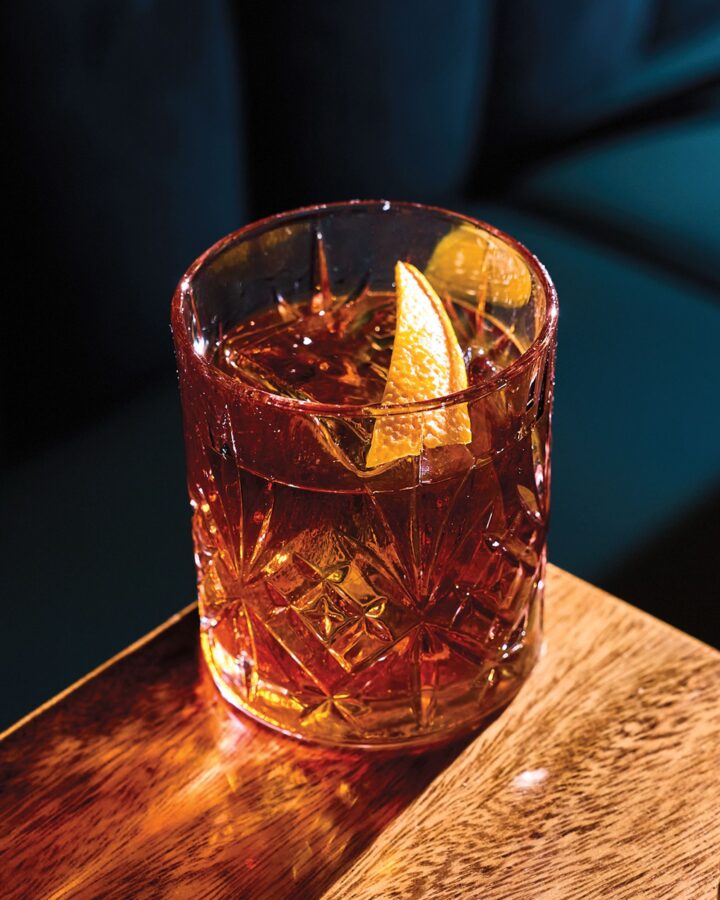
regional and artisanal amari, expanding the category with new botanical combinations and using them both as sipping spirits and as complex flavor bases in contemporary cocktails.” At Füm, the Serenata Negroni ($18) is a rooibos tea and mango-infused mix of Purity gin, Accompani Crimson Snap amaro, and Carpano Antica Formula sweet vermouth, while the Muratore ($17) blends olive oil-washed Aperol aperitif Conniption gin, orange and lime juices, and house-made lapsang souchong tea syrup. Both drinks were created by Esther Merino Velasco, partner at Füm-owner Grassfed Culture Hospitality. “Italian bitters are packed with herbs, citrus, and spice, so something like Campari or Montenegro amaro can add bitterness, sweetness, and aromatics all at once,” Coligado adds. “That makes them feel almost like a seasoning for cocktails rather than just another spirit.”
At Moon in Houston, head bartender Joao Diniz’s Space Jam ($18) is a Boulevardier riff that blends raspberry-infused Campari and Cocchi Rosa aperitifs, peanut fat-washed WhistlePig PiggyBack Bourbon, Fruitful raspberry liqueur, and house-made raspberry shrub. “Campari’s bitterness is fantastic for balancing citrus cocktails and helps temper sweetness, especially when pairing with sweeter fruits—we leaned into this with our Space Jam cocktail,” Diniz says. “The Campari cuts through the richness of the peanut and the sweetness of the raspberry, keeping everything in balance.”
Ballinger of Four Walls points out that since there’s such a huge variety of styles and brands of Italian bitters, a similarly huge variety of cocktail styles and flavor profiles work with these spirits. “Some bitters lean bright and citrusy, others are dark and herbal, while some have deeper earthy or baking spice notes—that range makes them incredibly versatile behind the bar,” he says. “They show up naturally in classic stirred cocktails like the Negroni, where bitterness helps give the drink structure and balance. They also work really well in shaken drinks like the Paper Plane, where the amaro adds depth while still keeping the cocktail bright and refreshing. At the same time, they can be used very simply. Even something like one or two amari with lime and sugar can create a really interesting Daiquiri-style drink.”
At Arvine in New York City, general manager Mike Pedecine’s Sotol Sour ($23) mixes equal parts Onó sotol, Mi Casa Blanco Tequila, and lime juice, plus Campari, housemade kumquat marmalade, agave syrup, and Dale DeGroff’s Pimento Aromatic bitters. “More and more, guests are drawn to Italian bitters, which reflects an overall higher interest in less sugary, bolder drinks,” says Arvine managing partner Adrien Falcon. “I like that they create unique flavors of boldness, both botanical and herbal, and add many layers to cocktails very quickly.”
Dora Ristorante’s Williams appreciates how “powerful” these spirits are. “Just a small amount can completely transform a cocktail; I often use liqueurs to shape flavor rather than syrups, so they’v become a go-to for me,” he says. “In a restaurant setting, I’m usually aiming for cocktails that feel savory and food-friendly, and the bitter, herbaceous qualities of these liqueurs work perfectly for that. These liqueurs also work across both ends of the cocktail spectrum: In lower-abv drinks like Spritzes and Highballs, they act as the flavor backbone; in more spirit-forward cocktails, they help stand up to bold spirits like Bourbon or rye and pull the drink in a new direction.”
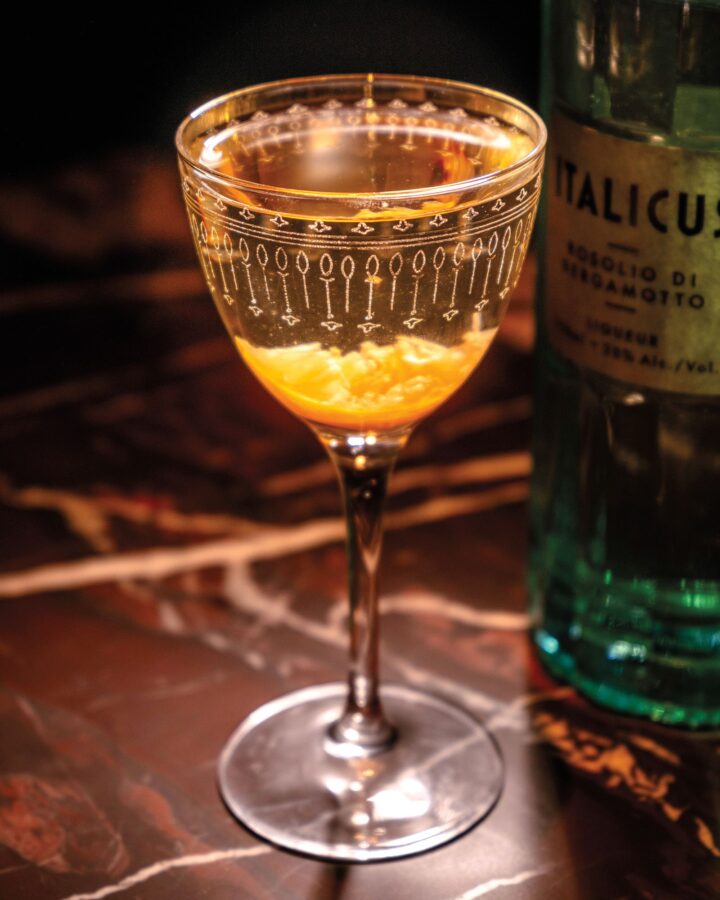
Layered Depth
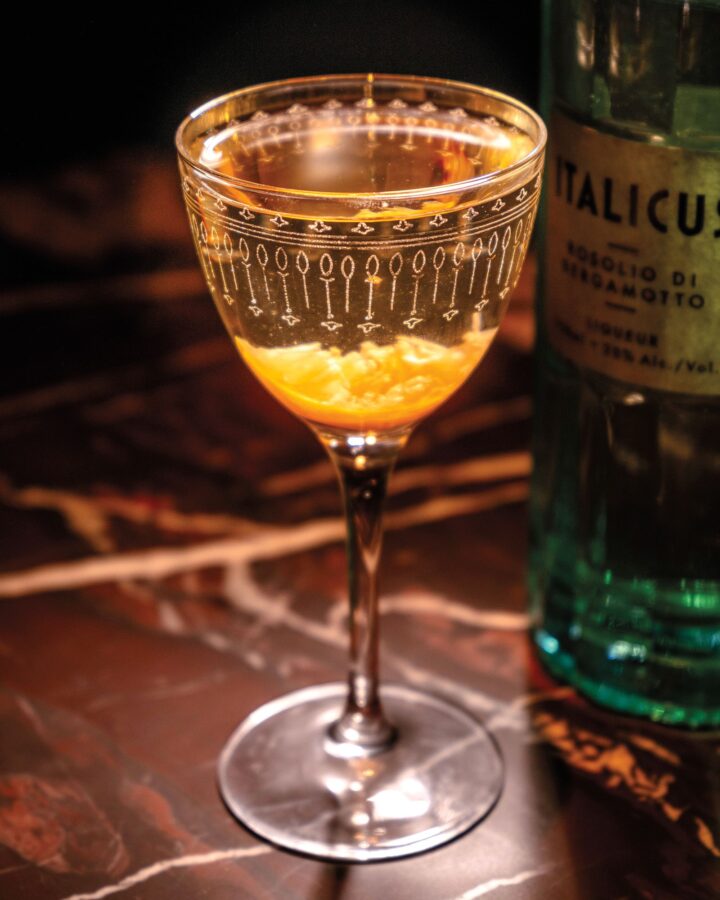
With today’s creative bartenders, Italian bitters are featured in increasingly inventive cocktail builds, Falcon notes. “They’ve definitely expanded beyond the classic Negroni and Spritz format—now we’re using multiple bitters to create layers, as well as incorporating saline or savory components,” he says. At Arvine, Pedecine’s Doctor’s Orders ($23) features equal parts Meletti amaro and Bigalett China-China Amer liqueur, plus Dad’s Hat rye, and a dash of salt, while his Search & Rescue ($23) comprises equal parts Italicus Rosolio di Bergamotto bergamot liqueur, Byrrh Grand Quinquina aperitif, Greenhook Old Tom gin, and fresh lemon juice, plus a rinse of Green Chartreuse liqueur and a dash of salt.
Indeed, Italian bitters aren’t reserved solely for classic cocktails anymore, “but also as a foundation for new drinks that emphasize balance, depth, and nuance,” says Ballinger of Four Walls. “Their layered herbal, citrus, and botanical profiles allow bartenders to create cocktails with greater complexity while still maintaining structure and drinkability. As a result, Italian bitter liqueurs have shifted from being a specialty ingredient to a true workhorse behind the bar.” He adds that they’re particularly useful for a bartender because they pair well with “essentially every base spirit,” noting that “gin, Bourbon, rum, Tequila, mezcal, brandy, and even vodka can all work well with different styles of Italian bitter liqueurs.” His Velvet Reserve ($30) is a cherry wood-smoked mix of baking spice-infused Pierre Ferrand 1840 Cognac, Ramazzotti amaro, and housemade sandalwood syrup and tonka bean bitters, while his Pomme Prayer ($18) features Daron Calvados, Amaro di Angostura, lime and orange juices, and house-made cinnamon syrup, topped with Ca De Medici Lambrusco.
At Eataly, Slute’s cocktails highlight how well Italian bitters pair with any number of different spirits. At the venue’s Amalfi Rooftop by Birreria, his Naturista ($19) is a milk-clarified blend of Campari, Cynar, Appleton Estate rum, Giffard Orgeat syrup, and lemon juice; and at La Piazza, his The Afters ($19) comprises Dewar’s blended Scotch, Cynar, Lavazza coffee-infused Campari, Carpano Antica
Formula, and Laphroaig 10-year-old Scotch.
“Amari can be a great substitute for vermouth in boozier, more complex libations,” Moon’s Diniz says. “Our Bake the Moon cocktail is a good example—the Averna adds depth and a gentle bitterness that ties all those rich, toasty flavors together.” The drink ($19), which Diniz created, is a toasted milk-washed mix of banana bread-infused Angel’s Envy Bourbon, Averna amaro, Giffard Banane du Bresil banana liqueur, and house-made smoked coffee pecan bitters.
“Italian bitter liqueurs have moved from something mostly bartenders were excited about to something guests are actually looking for on menus,” says Capulet Cocktail Club’s Thomas. “Early on, most programs leaned really heavily on classics like the Negroni or the Americano—that was the entry point. What’s changed more recently is how bartenders are using amari. Instead of building the whole drink around them, people are using them more as a structural ingredient—a little bitterness to give the drink shape.
You see them paired with fruit, sparkling textures, sometimes even saline elements or lighter base spirits. The drinks end up feeling brighter and more refreshing instead of heavy or aggressively bitter.” His Matriarch ($16) features equal parts Italicus Rosolio di Bergamotto, Absolut vodka, Carpano Dry vermouth, and Fusion Verjus Blanc. He adds that he likes the depth these spirits bring to a cocktail. “They give you complexity without needing a huge list of ingredients,” he says. “One amaro might have dozens of botanicals in it, so you’re basically adding a whole layer of flavor with one bottle.”
Ballinger notes that the diversity of Italian bitters is what makes them so interesting to use in cocktails. “If you line up three orange liqueurs or even three Bourbons, there may be variation between brands, but the core flavor profile is usually very similar; with amari, it’s completely different,” he says. “You can line up three bottles and each one can taste like it belongs in a totally different category. One might be bright and citrusy, another dark and smoky, and another full
of alpine herbs and menthol notes. Because of that, every bottle feels like a new adventure waiting to unfold.”