There’s a lot of uncertainty affecting the bar industry these days—economic strain causing reduced spending, health trends causing a decrease in alcohol consumption, and renewed interest in tried-and-true brand favorites causing consumers to experiment less with new products and unfamiliar drinks. While it sounds like a gloomy start to a new year, bartenders around the country have not lost hope in 2026. Savvy bar professionals say they’re eagerly looking to reinvigorate the bar scene this year, and they have a multitude of strategies to make that happen.
Some bartenders are following consumer trends, highlighting popular spirits categories like Tequila and whisk(e)y while also expanding their no-alcohol cocktail selections. Others are perfecting their own tweaks on the new crop of “classics” that bar guests currently demand—Cosmopolitans, Espresso Martinis, and even White Russians, to name a few. Still others are hoping to expand the palates and minds of modern drinkers by highlighting spirits categories that have yet to fully take off, like rhum agricole and gin. In short, bartenders around the country are supporting their venues and the bar industry overall in unique ways, working hard to ensure consumers have a reason to visit the bar and that they’ll enjoy their time once there.
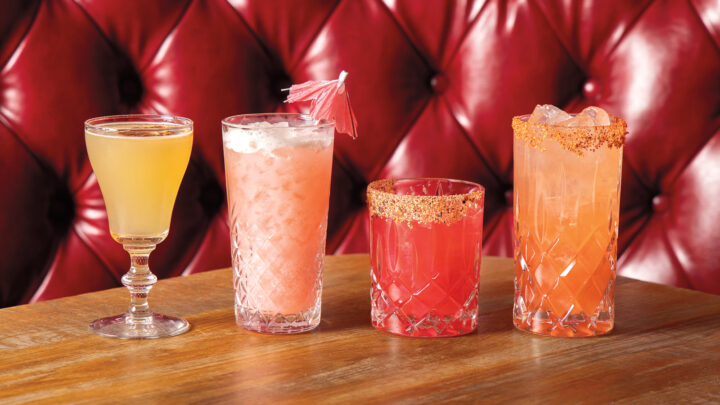
“We need to streamline the amount of brands we’re currently offering—the eight to nine ingredient cocktails from the mixology movement are just not in demand anymore,” says Sarah E. Clark, beverage director at The Dearborn in Chicago. “Guests want more straightforward cocktails that present as fresh, light, and bright.” She adds that January is the time to embrace lighter and simpler drinks, though she notes that current trends also have guests demanding photo worthy executions. “Presentation is huge,” Clarke says. “Anything that can star in a gorgeous picture or selfie is appealing.”
Agave spirits remain popular at The Dearborn, and Clarke says that beyond Tequila, guests are showing more interest in mezcal so she’s finding ways to incorporate it into well-known drinks. Bourbon is also maintaining share and Japanese whisky is on the rise, though Clarke says other American whiskeys, as well as Canadian and Irish labels, have lost some steam recently. Non-alcohol wine, beer, and cocktails have been rising, so much so that Clarke says she sells more than two cases of zero-proof beer a week. Nostalgic cocktails from the 1990s, like Cosmopolitans and Hugo Spritzes, are also gaining momentum.
Clarke’s tactics for pushing consumer comfort levels in 2026 are unique. “Lately, we’ve been using different insect-based salts for garnishes on cocktails,” she says. “We were unsure of how adventurous our guests would be and we braced for the possibility that the drinks wouldn’t be ordered but boy were we wrong. It’s really fun to push the envelope and see what kind of feedback you receive.” The Not Your “Ants” Margarita ($18), made with a chica-mora salt crafted from dehydrated ants, has been a top-selling cocktail.
Finding Value
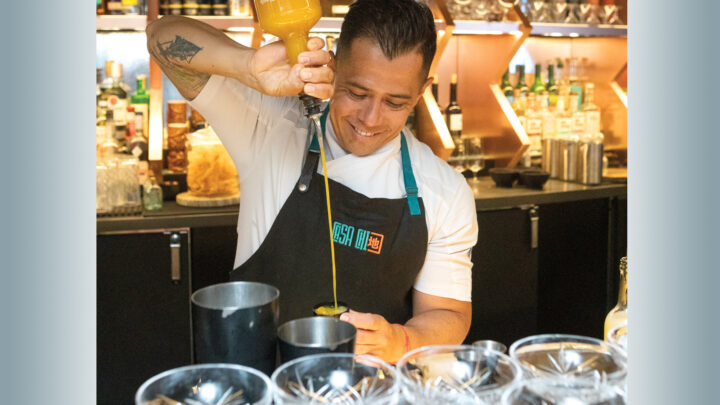
Value remains top-of-mind for many consumers. If bar spending is down, people want to get as much as they can for their money. “Offering affordable cocktails not only invites guests to explore the menu more freely, it also ensures they truly enjoy what they’re drinking without feeling priced out or short-changed,” says Carolina Gonzalez, the beverage director at Chicago bars Diego and Trino. “I want to deepen guest engagement and revive that magnetic bar energy.”
Gonzalez says non-alcohol cocktails—“not juice-heavy mocktails but well-elaborated and crafted libations”—are shining at her venues, and agave spirits and whiskies remain popular. Interestingly, she also says rum is receiving attention from a range of guests who admit to not knowing much about the spirit, and aperitifs, amari, and liqueurs are gaining ground too.
In Atlanta, beverage director Katie Brillinger at The Americano is also turning attention to amari. “We’re looking to overhaul our entire cocktail program to focus more on Italian spirits,” she says. “Amari and limoncellos are now base ingredients for a couple of our signature cocktails and guests have been overwhelmingly receptive. In 2026, we’re looking forward to sales growth in a slumping market by focusing VANPELTon unique takes on Italian classics, as well as eye-catching new offerings. We’re looking to step up our garnish game in the modern age of being influencer-friendly.”
Brillinger adds that “modern classic” cocktails are doing well at The Americano, pointing to drinks like the Paper Plane, traditionally made with Bourbon, Aperol, amaro, and lemon juice, and the Naked & Famous, usually comprising mezcal, Aperol, Yellow Chartreuse, and lime juice. But having said that, she notes that Margaritas and their myriad variations remain top performers overall.
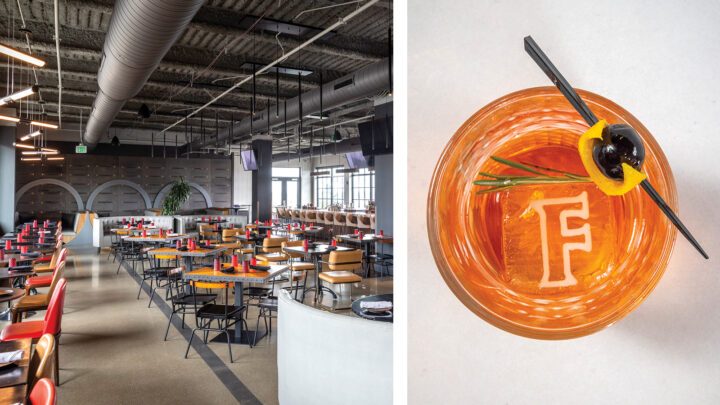
Bar energy is important to Sam Yeakley, a bartender at The Foundry rooftop in Dayton, Ohio. Yeakley has ambitious plans for 2026. “My focus is on re-energizing the bar through the kind of subtle upgrades guests don’t always notice right away but definitely feel,” Yeakley says. “Upgraded garnishes, proper clear ice, a nitro espresso setup to improve speed and consistency for espresso-based drinks, and a few house infusions on display in glass towers on the bar so speople can see the creativity happening. I’m also planning to bring back some barrel-aged cocktails and keep the mini barrels on display so guests can watch the process evolve. It’s those quiet touches that make a bar feel crafted instead of thrown together, and that’s the direction I want to lead us into this year.”
The Foundry is seeing success with riffs on classics—drinks people know and enjoy that bartenders take in new directions with unexpected flavors. Yeakley says Gimlets are a good example, as the bar often adds floral aromatics, and Martinis and other cocktails made with washed spirits, like the bar’s signature pork belly fat-washed Weller 12 Old Fashioned ($12), is another. Hot drinks are popular every winter, Yeakley adds, and this winter a hot chocolate mixed with aged rum and coffee liqueur set the tone for the holidays.
Pushing Boundaries
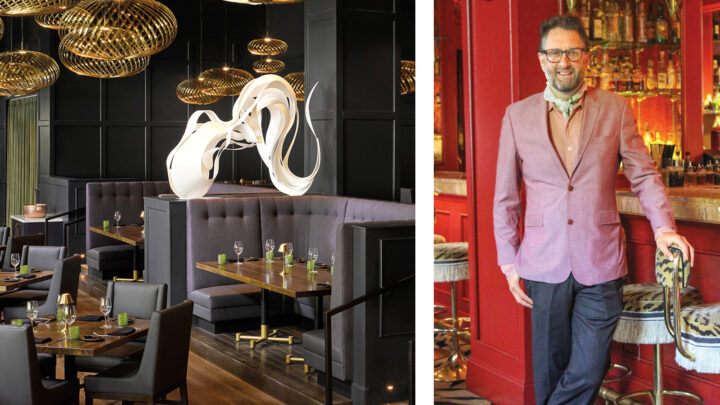
While modernizing classic cocktails is a safe bet these days, many bars are also innovating on their specialty cocktail menus. In New Orleans, Mark Bystrom says house cocktails dominate sales over classics by a margin of two-to-one. Bystrom is the manager at Salon Salon in the boutique hotel Maison Métier, and he says his venue is bucking trends on several fronts. “Agave spirits come in third here after whisk(e)y and vodka,” he explains. “This past year, whisk(e)y was our No. 1 called spirit, with Scotch and Japanese whiskies accounting for more than 25% of sales.” He adds that non-alcohol cocktails accounted for just over 1% of sales, but even though they’re a tiny portion of the business, he’s CREATIVEdedicated to having some creative zero-proof options listed at all times.
Richard Sandoval Hospitality venues are committed to the zero-proof movement, too. Riesler Morales, head of mixology at the company’s Casa Chi in Chicago, says focusing on no-alcohol drinks is his first order of business for 2026. “Our biggest initiative to re-energize the bar is to launch ‘The Art of Zero-Proof,’” Morales says. “This isn’t a mocktail menu, it’s a creative, elevated beverage program that gives guests a full craft cocktail experience without alcohol. Innovation is part of our DNA.”
Beyond that, Morales says seasonal menus remain important. For winter, his venue hosts a Boozy Tea service on Sundays, during which guests can try tea cocktails like the Chamomile Ranch Tea, made with Weber Ranch agave vodka and both strawberry-mint and cinnamon teas, served in a teapot (the service is $45 for a three-course experience). He says premium Tequila remains a star at Casa Chi, and he notes that other agave spirits—like sotol, bacanora, and raicilla—are rising, while whisk(e)y is holding steady. Morales’s forecast for 2026 includes simple but lively cocktails and wellness-conscious offerings, and to that end he says he’s leaning into adaptogens and mushrooms this year, as well as grapefruit, hyper-local ingredients, and sensory experiences that involve cocktails.
“Our primary strategy is to embrace, not resist, the cultural shift,” Morales notes. “It’s all about evolving—evolve or fade out. People want familiarity with a twist, not intimidating menus but approachable innovation. This year will be about balance, curiosity, and intentionality, not extremes.”
Functional ingredients will be featured on the menu at The Bower Restaurant and Bar in New Orleans, too. Beverage director Mickey Mullins says he’s interested in highlighting products and cocktails made with adaptogens, as well as herbal drinks that offer mood-enhancing properties. “Value and authenticity are big for 2026,” Mullins says. “We try to highlight what’s surprising about the spirits we use. For example, I love to play with the vegetal flavors of mezcal and the caramel of whiskey, allowing for a broader palate to be able to enjoy these spirits while introducing guests to something they may have otherwise thought they didn’t care for.”
Seasonality is also important here. Mullins says whisk(e)y is a staple, though it declines during the hot summers in New Orleans, but hot cocktails like apple cider enhanced with vodka and spiced rum have a place during the colder months at The Bower. Fellow New Orleans barman Jeff Schwartz echoes this but adds that there are some unexpected twists happening as well. Schwartz is the bar manager at Compère Lapin in The Big Easy, and he says his bar is seeing interest in bright and grassy Tequilas, which in turn has created opportunity for some agricole rhums, Clairins, and high-ester Jamaican rum varieties. In addition, he TKsays guests at his venue are open to split-base cocktails, and that’s something he plans to support this year.
“Guests are asking for split-base cocktails without prompting,” Schwartz says, pointing to drinks like a Negroni made with equal parts mezcal and Tequila, or a Daiquiri that blends Haiti’s sugarcane spirit Clairin with neutral rum, or even a Vieux Carre made with rye and Cognac. “I don’t think we’re experiencing a decline in alcohol sales here,” he continues. “The phone always gets the first sip—if the presentation of a drink is appealing it’ll get ordered more often, no matter what’s in the glass.”
Strong And Steady
Bartender creativity will certainly help the on-premise hold steady amid struggles this year. Drinks innovation and accessibility, with an eye toward value and flexibility, will remain important, as will visually exciting social media-worthy presentations. Staying true to the micro-trends popular in each market or even each individual bar will also be key. At RPM Restaurants, with locations in Las Vegas, Chicago, and Washington, D.C., happy hour promotions have been much appreciated by guests, and beverage director Ben Lieppman expects that to continue.
“Value is a big focus for our guests now, and happy hours are on the rise,” Lieppman explains. “At RPM Italian, we offer $8 cocktails nationwide for happy hour, with food at the same price. At RPM Steak in Chicago, we offer miniature cocktails for happy hour for $5, and they’ve exploded in popularity. It makes for a great moment to share on social media, imbibe only a little, and keep spending low.” With that, Lieppman says non-alcohol cocktails have been a strong growth sector recently, and he’s focusing this year on maintaining a great variety of zero-proof spirits, aperitivos, and liqueurs for use in cocktails.
Venerable Chicago bartender Kevin Beary agrees that value is a big emphasis right now. Beary oversees the beverage programs at Lettuce Entertain You’s Gus’ Sip & Dip, Three Dots and a Dash, and The Bamboo Room. Gus’s in particular, is seeing the strength of value-minded cocktail offerings, and Beary adds that vodka cocktails are hot currently, led by the Dirty Martini, Cosmopolitan, and White Russian, but he adds that sours also remain strong and dessert drinks like the Espresso Martini—which is the most popular off-menu call at Gus’s—are holding their own.
“We theorize that our approachable $12 cocktail price at Gus’ Sip & Dip lowers the barrier to entry for young people to try classic cocktails and for more mature drinkers to not hesitate to order a second or third cocktail,” Beary explains. “There’s less stigma now about whether a cocktail is on-trend or not. We’re seeing great success in delivering value and this will remain important in 2026.”