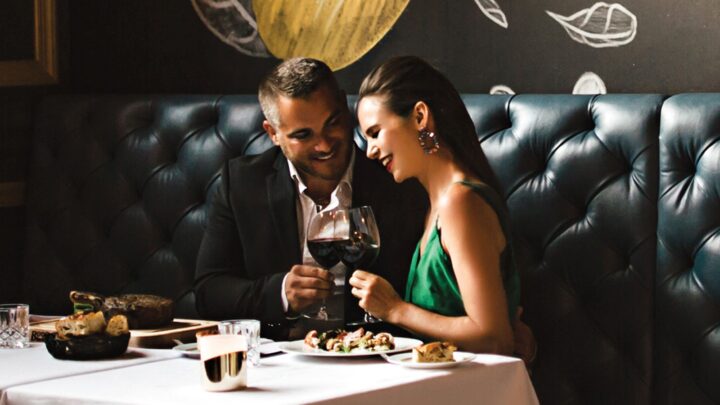
While much of the beverage industry is worrying about declining sales, restaurant and bar operators nationwide are upbeat and optimistic about wine on-premise, with many saying that wine sales are trending up at their venues. Interest in glass pours is rising, they say, and so is a consumer willingness to experiment with new varietals and wine styles. Whites are dominating over reds in many places, especially in seasonally driven markets that had hot summers, and savvy restaurateurs are creating experiences that center around wine to further foster interest in the category. Approachability is also key—on-premise wine professionals are seeing success with menus that are easy to understand and with wine staff who can make personalized suggestions to guests.
Operators across a wide range of restaurant genres are seeing these trends, from fine dining to destination hotels to venues that serve themed global cuisine. Even at on-premise outlets where wine sales are slowing down, drinks professionals are not pushing the panic button just yet. “Wine sales continue to trend positively, supported by our curated wine list, strong sommelier engagement, and intentional food pairings,” says Precious Arios, the general manager of Chinese dim sum concept Mott 32 in The Venetian Las Vegas Resort. “We see continued opportunities for growth. We’re seeing more interest in wines by the glass—our by-the-glass menu is simple and approachable.”
Mott 32 Las Vegas offers 16 glass pours ($18-$55), including upscale labels like Far Niente Chardonnay and Duckhorn Vineyards Cabernet Sauvignon, and these are joined by more than 400 bottled offerings ($65-$22,000 a 750-ml.). Arios admits that the bottle list, while “extensive and exceptional,” is imposing to some guests and often requires sommelier input, so glass pours become an easier choice. She also notes that wine is more popular with restaurant diners than guests who remain seated at the bar, as bar visitors gravitate toward cocktails. Mott 32 has 12 locations globally, and Las Vegas is its only U.S. unit currently, though a Los Angeles outpost will debut in 2027.
“We’ve seen guests become more open to exploring different wine varietals when guided through the experience,” Arios says. “We’ll continue supporting wine sales by hosting exclusive dinners and showcasing premium producers, and we’ll continue investing in wine education so our service team feels confident recommending approachable bottles and pairings, allowing our sommelier to focus on higher-end and reserve selections. This approach creates a better guest experience while driving wine sales across all price points.”
Experimental Phase
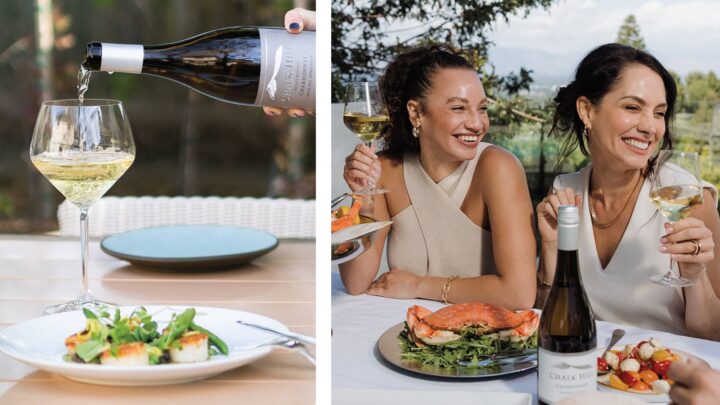
Many wine professionals report that guests are more willing to experiment with unfamiliar wines than ever before, especially in glass pours that require less commitment than ordering a full bottle. At the country club-inspired Modern American lounge 40 Love in Scottsdale, Arizona, general manager Kyle Carnine says wine sales are healthy and glass pours are dominant, led by crisp whites like Sauvignon Blanc and Chardonnay, lighter reds like Pinot Noir, and rosés. The venue lists roughly 20 wines by the glass ($9-$40) and 85 bottled selections ($36-$1,495 a 750-ml.).
“Glass pours make wine more approachable—it reflects a broader curiosity as people are more adventurous and interested in trying new varietals, regions, and styles,” Carnine says, adding that most of his guests order wine to accompany food. “One of the biggest shifts we’ve seen is that guests are more curious and intentional in their wine choices than they were a few years ago. Rather than defaulting to familiar labels, many are asking questions, exploring new varietals and regions, and showing greater interest in wines that offer quality and value. We expect wine on-premise to continue evolving toward discovery, accessibility, and experience.”
Exploration is required at concepts that have diverse global wine lists like Estiatorio Milos, an upscale Greek concept with locations in Las Vegas, Miami, New York City, and West Palm Beach Florida, as well as in Greece, Canada, Mexico, United Arab Emirates, Singapore, and England. The brand’s global beverage director, Dimitri Zafeiropoulos, says wine is integral to the experience at his restaurants and glass pours are the perfect introduction to lesser-known Greek varietals, of which Estiatorio Milos offers many.
“We’ve seen consistent growth as more diners become interested in exploring Greek wines alongside the classic regions they already know,” Zafeiropoulos says. “There’s growing curiosity around indigenous varietals and we’re fortunate to have guests who are eager to discover something new. Consumers are far more open to discovery today—they’re increasingly willing to trust the sommelier and explore wines they’ve never encountered before.”
He adds that authenticity is also crucial on today’s wine list, which is why Estiatorio Milos offers so many Greek wine labels. “Guests are looking for wines with a strong sense of place and meaningful stories,” Zafeiropoulos explains. “We curate wines that express authenticity, provenance, and a true sense of place. Guests are seeking experiences rather than simply recognizable labels. They’ll continue to gravitate toward wines that tell a story.”
Indigenous varietals are also getting attention at Levant by Chef Michael White in the La Concha Resort in Puerto Rico. Sommelier Ricardo Rodriguez says his patrons are keen to explore the venue’s curated wine list and are focusing on both discovery and quality across multiple price points. White wines are leading sales, led by Sauvignon Blanc, Albariño, Assyrtiko, and Riesling, and rosés remain strong. In red wines, Rodriguez says Nebbiolo, Tuscan blends, and Bordeaux maintain steady demand.
“We’ve noticed growing interest in indigenous varieties and wines from regions like Greece, Italy, and Spain,” Rodriguez adds. “We believe guests will continue seeking authenticity, soulfulness, and purpose over prestige. Wines with a clear sense of origin, sustainable farming practices, and smaller family producers will continue to gain traction. Guests increasingly value education, storytelling, and personalized recommendations. Our goal is to make wine approachable without sacrificing depth.”
Educational Efforts
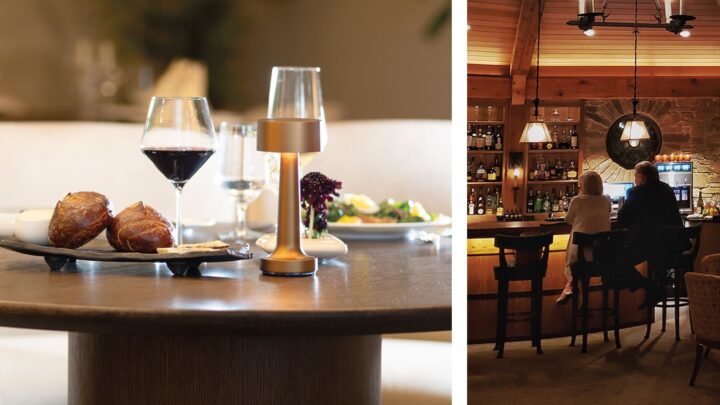
To encourage wine sales and support customers who are willing to experiment with unfamiliar brands and varietals, many restaurants are putting an emphasis on education. This includes programs for both staff and consumers. Cru Uncorked is a French-New American fine dining restaurant in Moreland Hills, Ohio with a massive 2,400-plus label wine list that focuses on France and California ($9-$38 a glass; $55-$33,000 a 750-ml.). A menu of that size would overwhelm even seasoned wine drinkers, so Cru makes sure to offer support.
“Having an abundance of sommeliers and a wine-knowledgeable staff helps our guests navigate the wine list,” says Cru beverage director Anthony Taylor, who adds that his staff often interacts with guests tableside to help with wine decisions. “Wine bottle sales are down quantity wise, but total dollar sales have been up the past two years.” Taylor is working on a few strategies to further support sales, including adding wine pairings suggestions to the dinner tasting menu and installing a Coravin system to allow for more high-end wines by-the-glass. Cru is also beginning to offer 2-ounce pours for certain wines to encourage sampling and it has expanded its half-bottle selection.
Offering different pour and bottle sizes is also key at Angle, a steak house in the Eau Resort & Spa in Manalapan, Florida. The venue supports premium glass pours, as beverage director Stephen Lezama says wines by the glass are dominating sales and guests don’t want to sacrifice quality for a smaller serving. “We’re meeting guests where their behavior is already going—smaller, more flexible servings and stronger premium options—with a trained, confident staff and real experiences to make wine feel like a moment worth spending on. The future isn’t less wine. It’s wine consumed in smaller, more flexible, and more selective premium ways.”
Angle’s wine list has 18 glass pours ($17-$35 a glass) and more than 200 bottled selections ($45-$2,000 a 750-ml.). Lezama says reds dominate at the steak house, noting that wine revenue is down overall this year but the average price per glass and bottle has increased, meaning that people are ordering less but spending more per serving. “Guests still want wine, but they want it on their terms,” he notes. “Quality over quantity.”
That mantra is echoed at The Lytle Park Hotel in Cincinnati, where director of food and beverage Leo Bringas says quality and value are paramount. Bringas says the lobby bar and rooftop lounge are showing strong glass sales, led by white wines, while bottles and red varietals have more traction at the Italian restaurant Subito. Regardless of the venue, Bringas says an adventurous spirit and a focus on education are important for his wine consumers throughout the hotel. At Subito, the wine list spans 140 labels ($10-$37 a glass; $40-$750 a 750-ml.), making it the largest wine menu at the hotel.
“Guests have become noticeably more adventurous while remaining mindful of price,” Bringas says. “They’re more willing to explore recommendations from our team rather than stick exclusively to familiar labels. Education remains one of our biggest priorities—we continually train our teams to make wine recommendations that feel approachable and personalized. Guests continue to seek memorable experiences, so curated wine pairings, limited-time features, and interactive tastings are becoming increasingly important.”
Creating An Experience
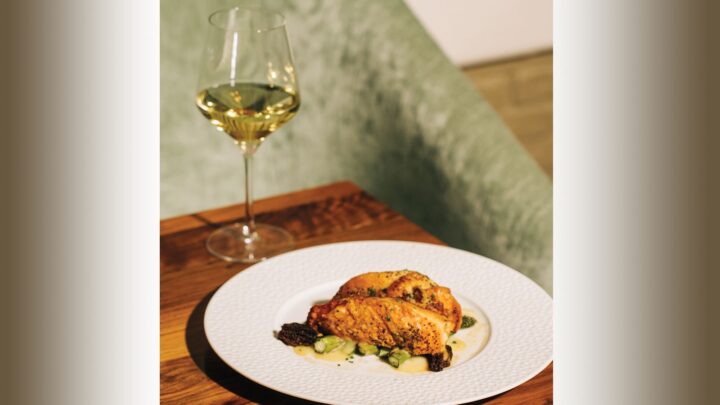
The concept of experiential dining—and of creating restaurant experiences that foster wine consumption—is gaining ground at a wide variety of on-premise outlets. At A+O Restaurant and Bar in the Balboa Bay Resort in Newport Beach, California, guests are looking for wine experiences that enhance their meal and for a connection to the wine in their glass. “Experience-driven wine programs will define the future of on-premise wine,” says assistant director of food and beverage Julien Lardon. “Guests are looking for more than a label—they want a connection, whether that’s a tableside conversation, a curated pairing, or a memorable activation. Premium wines by the glass, unique producers, and approachable education will continue to grow.”
Lardon is developing a wine activation calendar for 2027 that includes wine dinners and tastings, visits from winemakers, and other experiences that encourage guest interaction. “These are designed to introduce our guests to exceptional producers, invite them onto our property, and create memorable moments centered around wine discovery,” Lardon says. The Balboa Bay Resort hosts the Newport Beach Wine Festival every year over Memorial Day weekend, and that also encourages wine exploration on-site.
Wine dinners and pairing programs are a regular feature at The Emporium Kitchen and Wine Market in the Perry Lane Hotel in Savannah, Georgia, too. The venue hosts a monthly Global Table dinner series that features a multi-course menu of food and wine showcasing a specific destination; the June menu highlighted Greece and the July menu highlighted California ($119 for four courses paired with wine). The Emporium also hosts free weekly wine tastings and gives guests who attend a 20% discount on the bottles offered. These are joined by other wine-themed specialty events throughout the hotel, like Slices & Sips, a cake decorating seminar paired with wine at the rooftop bar Peregrin.
“Rather than simply offering wine alongside a meal, we’re creating opportunities for guests to discover new regions, producers, and varietals they may not have otherwise considered,” says Perry Lane director of operations Jonathan Teague. “That sense of exploration has encouraged guests to become more adventurous with their wine selections. We’re seeing increased interest in wines from lesser-known regions as our programming continues to evolve. Guests will continue to seek experiences rather than products. Our strategy is centered on making wine approachable through education and storytelling, and we’re continuing to expand experiences that encourage exploration.”