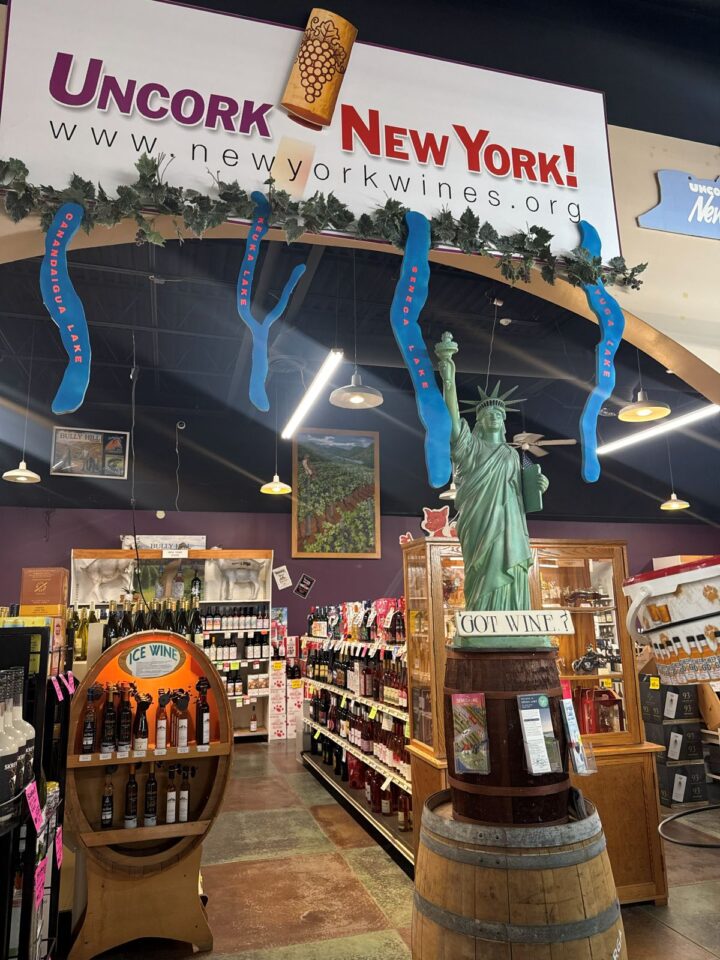
Legislation to sell wine in New York grocery stores (WIGS) recently died in committees, but a lawmaker plans to reintroduce it next year. “We are going to go on fighting it,” says Stefan Kalogridis, president of the NYS Liquor Store Association and owner of Colvin Wine Merchants in Albany, New York. “They’re going to keep on trying to get wine into grocery stores because the supermarkets are so greedy. They want it, but it isn’t happening on my watch.”
State senator Liz Krueger and state assemblywoman Pamela Hunter reintroduced a WIGS bill in January, and state senator Luis Sepulveda introduced legislation to sell wine and spirits in grocery stores. Both bills died in committees when New York’s legislative session ended in June. Krueger plans to reintroduce WIGS legislation next year but doesn’t support spirits sales in supermarkets.
Since Prohibition was repealed in 1933, there are no retail spirits and wine franchises or chains in New York. Each of the approximately 3,500 spirits and wine retail stores is independently owned with one license per entity. The “New York State Of Wine” coalition supports WIGS with a powerful lineup, including Wegmans, ShopRite, Whole Foods (Amazon), Stop & Shop, and Instacart. “New York liquor stores are all family owned, and we compete against each other,” Kalogridis says. “In the long run, I’m anchored next to a supermarket and not going to be able to survive.”
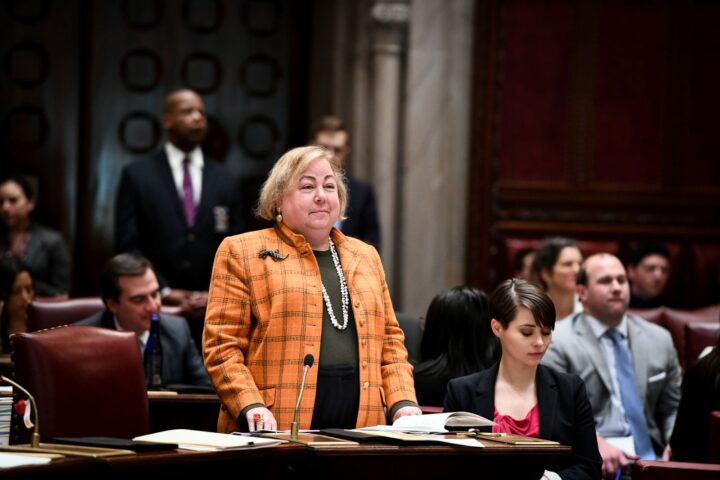
Krueger says 40 other states allow wine sales in grocery stores and liquor stores are still flourishing. “Research shows us states with greater access to wine sales lowers prices and helps wine sales,” she says.
Michael Correra, executive director of the Metro Package Store Association and co-owner of Michael Towne Spirits & Wine in Brooklyn, New York says WIGS would destroy the state’s wine culture and retail tier. “Having more wine available in grocery stores doesn’t substantiate an increase in wine sales,” he says. “The consumer will purchase their wine in another location, especially after many of the 3,500 wine and liquor shops are out of business.”
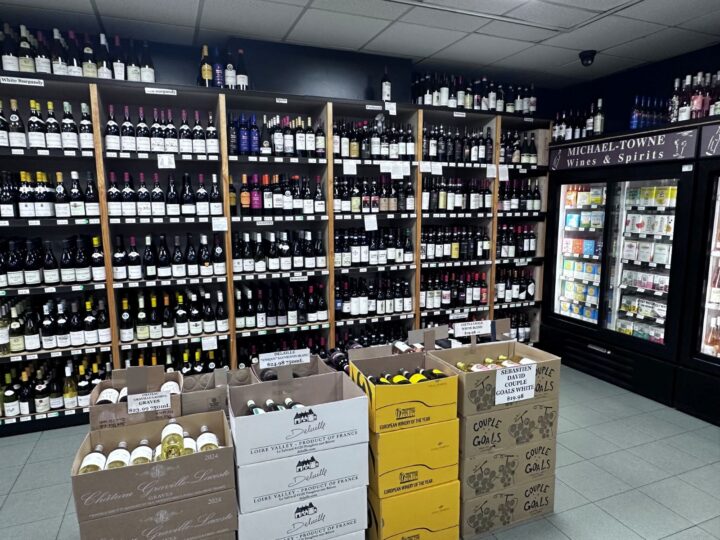
Correra says WIGS would benefit big wine brands at the expense of small ones. “It will benefit national brands and hurt small producers and small importers,” he says. “New York offers the most wine SKUs at the retail tier nationwide–approximately 70,000–and is the home of local importers and small distributors. They do very well.”
Krueger claims industry wholesalers make it difficult for New York wineries to get their products on retail shelves. “WIGS will expand the sales and marketing opportunities for New York wines,” she says.
Retailers disagree. Located at the gateway to the Finger Lakes wine region, Don Bombace, owner of Bombace Wine & Spirits in Farmington, New York, stocks more than 475 SKUs of Empire State wines. Bombace is convinced WIGS will allow grocery stores to sell big brands at razor thin margins and put many independent liquor stores in plazas with supermarkets out of business. “I joined the fight to prevent WIGS in 2008 when it became a serious threat,” Bombace says. “WIGS would put more than 25% of New York liquor stores out of business within the first 12 months. The rest will follow.”
New York wine and liquor retailers also express concerns about developments in Colorado, where WIGS became legal in March 2023. Krueger, however, says New York can set up safeguards, and that there have been “broad exaggerations” about what happened in Colorado. Since March 2023, approximately 200-250 independent liquor and wine stores in Colorado have closed, according to Mat Dinsmore, president of Colorado Independent Liquor Stores United and owner of Wilbur’s Total Beverage in Fort Collins and Wyatt’s Wet Goods in Longmont, Colorado.
Prior to WIGS, Colorado had approximately 1,700 independent liquor and wine stores. “We figure 200-250 stores have closed based on stores that haven’t bought from wholesalers in 12-18 months,” Dinsmore says. “A large number purchased from wholesalers once a month, but we’ve also seen some big stores fail. The stores that are gone are never coming back. It’s a retroactive number as stores continue failing. The state doesn’t know until people don’t renew their liquor license.”
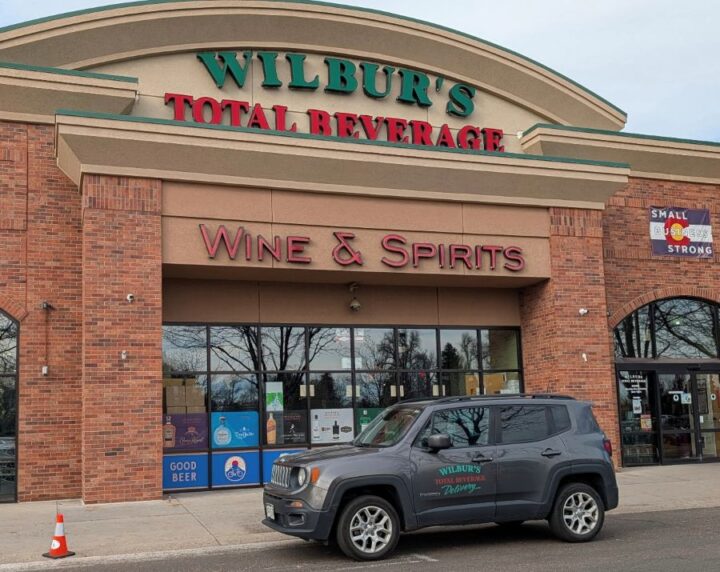
Dinsmore has felt the WIGS’ impact. “Our revenue is down about 27%, and we’ve done better than most,” he says. “We’re 27 years in at Wilbur’s. I traditionally had 42-47 full- and part-time employees. Now I have 21. We used to manage about 1,200 man hours scheduled a week. We’re now at about 610. The amount of good things we do in the community is less because we need to keep our head above water. It’s not one or two cuts. It’s death by 1,000 cuts. The big stores aren’t stepping up to fill the void.”
WIGS hasn’t increased wine sales in Colorado, he adds. “There are another 500-600 independent wine and liquor retail accounts on credit hold and not viable because they can’t buy,” Dinsmore says. “The 500-600 stores on the ropes were once viable parts of their community. They donated to youth activities and non-for-profit organizations. They’ve had to cut back on the valuable things they did for their communities. It’s truly the battle of Main Street versus Wall Street. It sounds bad, but it’s dead man walking.”