As the beverage alcohol industry approaches the 100th anniversary of Repeal, the wholesale tier is experiencing dramatic disruptions, resulting in new routes to market for wine, spirits, and beer. The tier-wide shakeups are affecting not only distributors and their suppliers but also beverage alcohol retailers in markets around the country. And from all accounts, the changes now unfolding in the wholesale business are expected to continue for the foreseeable future, as the industry’s middle tier further evolves.
The California wine and spirits market—the largest in the U.S.—has been rocked in recent years by big brand shifts from one distributor to another and the sudden withdrawal from the state of its then second-largest wholesaler in 2025, Republic National Distributing Co. (RNDC). Republic National pulled out of the Golden State last September, following a series of moves from leading suppliers that shifted distribution rights of its brands to other players. Sazerac Co. was one of the first to drop the distributor, cutting ties in 2023. Then in January of last year, Fifth Generation, Inc., marketer of ALLANTito’s Handmade vodka severed its relationship with RNDC’s California operation, followed by Brown-Forman Corp. in February 2025. In April, news came that High Noon Sun Sips, the category leading RTD from Gallo, would also depart.
RNDC’s September exit in California was a boon to other distributors, including Breakthru Beverage Group, Southern Glazer’s Wine & Spirits (SGWS), and Reyes Beverage Group. Indeed, some 50 new suppliers joined Breakthru in the Golden State last year. In an interview with Market Watch sister publication Shanken News Daily last fall, Breakthru CEO Tom Bené called the moves “transformational,” and said the company doubled its business in the state as a result. For its part, top wine and spirits house SGWS added products from Rémy Cointreau, Edrington, and Anheuser-Busch InBev (A-B InBev), including the Cutwater and Nütrl brands, among others, in California. “An industry change as significant as this presents an opportunity for Southern Glazer’s to be the stable wholesaler in the market,” says SGWS chief growth and strategy officer David Chaplin. “It ensures that we always add more value for our customers.”
Retailers Weigh In
California retailers say that many of the transitions have been rocky. “The effect of the RNDC exodus from California is big,” says Josh Kirchhoff, corporate wine and liquor coordinator at Oliver’s Markets, which has four locations in northern California. “It was our No.-2 distributor, supplying us with over 40% of the products we carry.” While most large brands found homes immediately, finding out where smaller labels landed has been an ongoing task, the retailer adds. “Some brands have inevitably fallen through the cracks.” And while some wholesalers handled the transitions in a “very measured” way, others “took on more brands than they can handle,” he continues, and the moves have been “messy.”
In San Francisco, meanwhile, Ferry Plaza Wine Merchant owner and partner Debbie Zachareas says her store wasn’t too affected by the distribution moves due to its tendency to focus on small brands over national products. As Ferry Plaza didn’t do a lot of business with RNDC, the movement of some products to Breakthru “actually opened up some brands to us,” she notes. And while Breakthru was “overwhelmed” at first, Zachareas applauds how communicative representatives were with her as they sorted through the changes. “I think we will be well served by Breakthru,” she says.
New Beer Baron
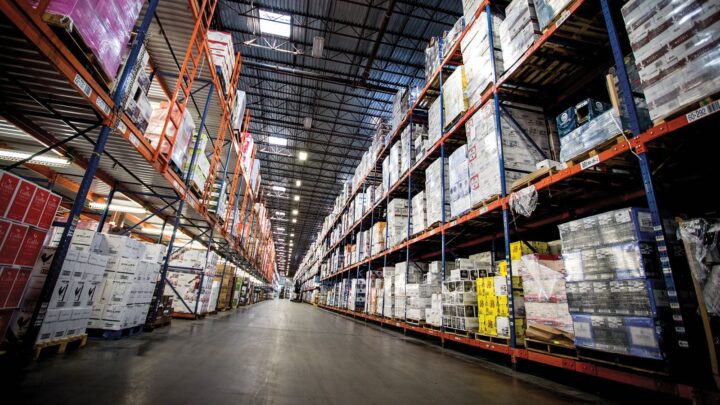
In another surprising move last year, Southern Glazer’s acquired A-B InBev’s owned New York City distribution operation, marking the wholesaler’s largest move to date into the beer business. The deal, which closed in October, launched Southern Glazer’s Beverage Co. of New York, covering Manhattan, Queens, Staten Island, and the Bronx. “This acquisition expands our capabilities in one of the world’s most dynamic beverage markets and strengthens our ability to deliver exceptional service and value across the city,” SGWS president and CEO Wayne Chaplin said upon completion of the deal, with a nod to the company’s already established wine and spirits operation. And just last month, the No. 1 wine and spirits house announced its plans to expand further in beer via at the acquisition of Clare Rose Inc. in New York and Eagle Rock Distributing Co. in Colorado.
Southern Glazer’s most recent expansion into beer is hardly its first. The company also has total beverage offerings in Nevada, South Carolina, Massachusetts, and Rhode Island, distributing more than 40 million cases of beer, RTDs, and non-alcoholic products. In New York, the acquisition has brought close to 3,300 new customers, according to president of commercial sales Mark Chaplin, including operators like bodegas, delis, and groceries, while the company continues to service on- and off-premise liquor and wine accounts with its products.
The expansion of wine and spirits houses into beer has spread to nearby New Jersey. Fedway Associates Inc. recently acquired Ritchie & Page Distributing Co., a family-owned A-B InBev wholesaler. The new Fedway division has been renamed Jersey Beverage Network. According to Fedway, the deal advances its mission to be New Jersey’s “premier full-service distributor across wine, spirits, and now, beer.” The transaction closed in January.
Total Beverage Houses
Similar to their wine and spirits counterparts migrating toward beer and non-alcohol beverages, beer distributors are increasingly becoming bigger players in wine and spirits. With operations in numerous markets, Reyes Beverage Group (RBG)—the largest beer wholesaler in the country—has been rapidly building its wine and spirits portfolio since its 2023 acquisition of rights to Sazerac brands in California and Hawaii. RBG—which is a division of Reyes Holdings, the sixth-largest privately owned company in the country—added Brown-Forman products to its Golden State portfolio last year, along with commercial spirits and select wines from Gallo. In a blockbuster move last month, RBG entered into a purchase agreement to acquire RNDC’s operations in 10 states, including Florida and Texas, and Washington, DC. Reyes CEO Tom Day says the companies are looking to close the deal by the end of May.
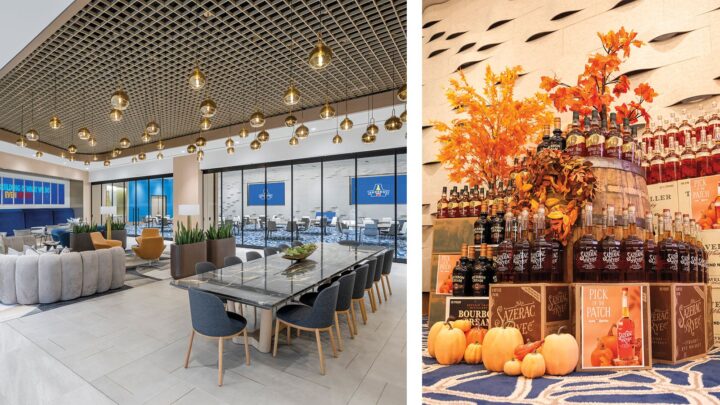
Similarly, Sazerac helped launch Texas’s Andrews Distributing into the spirits business three years ago when the Fort Worth-based wholesaler was named among several other beer distributors to take on its brands previously handled by RNDC. “It was definitely a big undertaking,” says co-managing partner and CEO Mike McGuire. “There was so much to learn, ranging from the entire Sazerac portfolio to how Bourbon is made.”
The addition of spirits products also required operational adjustments, he notes, such as “bottle picking” for mixed cases and the handling of highly allocated Bourbon products. And it necessitated a greater focus on “spirits-first accounts,” such as high-end steak houses that the beer distributor had previously only serviced modestly.
Despite the challenges, “we had a great first year. We grew the portfolio,” says McGuire, crediting the Sazerac team for providing support and training. Along with Sazerac products, Andrews—which can deliver beer, wine, and spirits products from the same truck—represents some local Texas spirits brands and Surfside RTDs. The company already holds a 10% share of the spirits business in its market, McGuire adds.
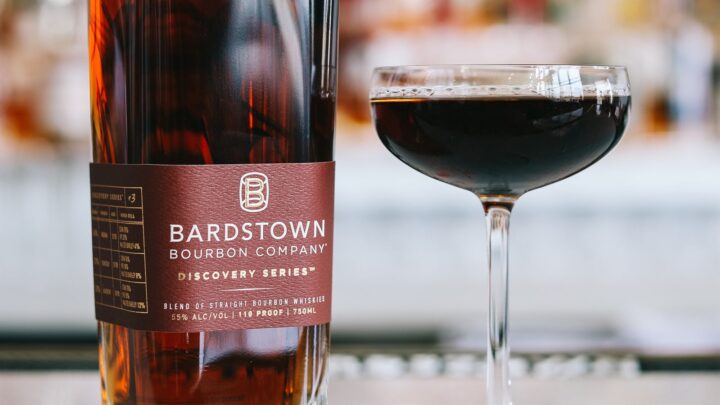
With a vision of providing statewide coverage for spirits— as many wine and spirits houses do Andrews and the other Texas beer distributors tapped by Sazerac in 2023 formed the Spirits League of Texas. “It’s a competitive alternative network for distillers that can act as one where we’re legally allowed to,” McGuire explains. “We feel we can offer distillers a great route to market, with a tremendous amount of focus.” In January, Lofted Spirits, marketer of Bardstown Bourbon and Green River Distilling brands, split with RNDC in Texas, in favor of the Spirits League.
While the New York market has seen the entry of a major wine and spirits house into beer, beer distributors are also aggressively working to move into wine and spirits, despite the state’s unique retail format. In an effort to be on a level playing field with wine and spirits wholesalers, last year a network of six Molson Coors distributors formed the New York Wine & Spirits Collective, providing statewide coverage. In the fall, Lofted Spirits foreshadowed its Texas strategy, realigning its New York distribution in favor of the Collective and replacing Empire Merchants.
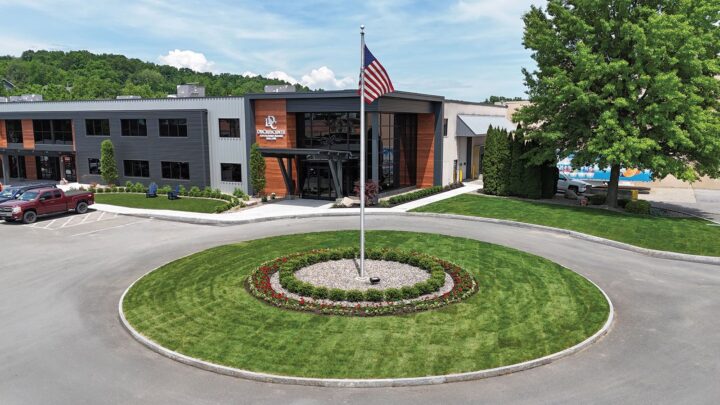
According to Russ Teplitzky, general manager of DeCrescente Distributing Co., a Collective member, the notion that beer wholesalers aren’t educated enough about wine and spirits to handle them is outdated. “We can—and we have—hired people to teach us,” he says. The emergence of RTDs—similar in packaging and consumption occasions to beer—has benefitted many beer distributors, Teplitzky adds, as marketers find that beer wholesalers have more experience with “heavy” beverages that turn more frequently than their wine and spirits counterparts. As a result, liquor stores in New York are “now becoming a growing part of our business,” the distributor says.
“Legacy beer distributors have the best call coverage and merchandising as they are used to being in accounts on a regular basis to service their beer needs,” says Scott Blazek,chief commercial officer at Lofted Spirits. “That call coverage is critical to brands like ours as we look to increase our distribution and sales.” In addition to New York and Texas, the spirits marketer has moved to legacy beer wholesalers in Washington State and New Jersey, Blazek notes.
Supplier Options
The convergence of wine and spirits wholesalers and beer distributors into total beverage operations can be attributed to two main factors, industry executives and experts say— current beverage alcohol trends and evolving strategies from suppliers on the best route to market for their brands. “Alcohol is having some struggles today,” says Teplitzky. “Wholesalers feel that if consumers are converging from an occasions standpoint, we need to be in all of those occasions. Today, distributors have to consider share of stomach and what the consumer wants.”
Sean McLaren, managing partner at OMAC Beverage Advisors, says that for beer wholesalers, “the business is tough and volume is down.” Wholesalers looking to grow have two options: acquisition of another distributor or the addition of more products. But there aren’t many business acquisition opportunities today, he notes, as “people don’t want to exit the business, most of which have been in their families for years.” That leaves adding more products.
While in the past, beer wholesalerships were the natural choice for beer marketers and wine and spirits houses were the go-to for those products, today, suppliers are looking at all their options. “They’re more receptive to alternatives,” McLaren explains, pointing to companies like Sazerac and Gallo. “In some markets, wine and spirits wholesalers only service liquor stores but their suppliers are increasingly requiring them to service convenience stores,” he notes, a channel that beer wholesalers have mastered. On the flip side, beer distributors may have little reason to frequently service accounts like cocktail bars, speakeasies, and premium steak houses, venues where wine and spirits wholesalers play vital roles.
Lofted Spirits is another supplier that isn’t relying on the traditional distribution model. With the move to the New York Wine & Spirits Collective, “we felt it would help unlock more focus and investment on our brands,” Lofted’s Blazek says. “We are very familiar with many legacy beer distributors and their market coverage, merchandising, and execution is terrific.”
‘One-Stop’ Partners
The benefits of a total beverage distributor for retailers could depend on the market and state regulations. In a state like Texas, for example, with beer, wine, and spirits allowed on the same truck, retailers could benefit from fewer deliveries and sales visits. “Instead of three trucks, it’s one,” says McLaren. “Instead of two to three salespeople, it’s one.” In New York, Southern Glazer’s beer team is now collaborating with its wine and spirits team “to deliver a total beverage—malt, beer, wine, and non-alcoholic beverage program—portfolio,” Mark Chaplin says, enabling the company to be “a one-stop partner for all on-premise customer accounts.”
Andrews’ McGuire and DeCrescente’s Teplitzky note that because beer distributorships tend to be more locally owned than multi-state wine and spirits houses, they provide retailers with a local connection. “In some cases, those relationships have been in place for generations,” Teplitzky says.
In California, retailers in the midst of dramatic changes to the wholesale landscape also point to the challenges the changes are bringing to their businesses. Oliver’s Kirchhoff says some wholesalers are “still making efforts to build infrastructure” to support the new brands they’ve added. “It’s rocky,” he says. “It remains to be seen how this will play out, and if there will be any benefit to this major consolidation.”
One thing that retailers and wholesalers agree on is that changes in the middle tier will continue. “For better or worse, I don’t see the trend changing anytime soon,” Kirchoff remarks. Ferry Plaza’s Zachareas adds that with the beverage alcohol industry struggling, all tiers “will have to make adjustments.” When it comes to the convergence now affecting wholesalers, she asks, “what are the alternatives?”