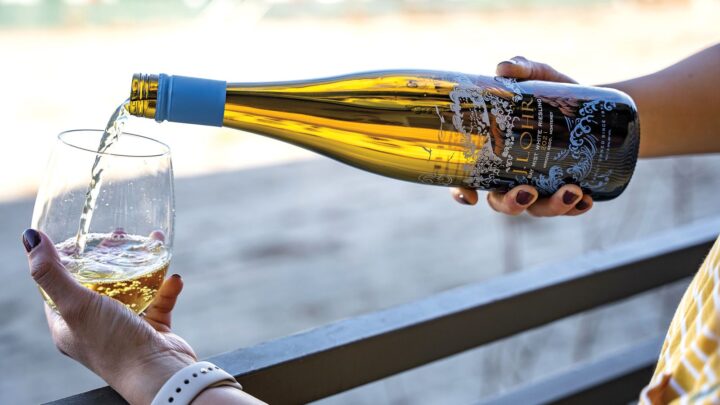
The headlines, the data points, the conversations—they’re undeniable: Consumers, and particularly younger consumers, are curbing beverage alcohol consumption these days. Health and wellness are top of mind for many, and moderation in consumption is more prevalent than at any time in recent history. While challenging for the industry overall, the current trends are creating growth pathways for select categories. Marketers say low-calorie wines—which typically also carry lower abvs—are positioned for growth as the moderation approach continues apace.
“We’ve heard so much around Gen Z not drinking—we see it in the headlines all the time,” says Sarah Bakx, president of Treasury Americas Bold Brands. “There’s negativity around alcohol in general, but then as we click down, it’s amplified by Gen Z. That’s where we see a real on-ramp with low-abv and subsequently low-calorie wines.” Bakx explains that Gen Z is sometimes choosing different occasions for consumption. “When we think about a Gen Z drinking, we’re thinking about a long lunch and a lighter alcohol choice,” she says, noting that consumers refer to this as a “daycap” (as opposed to a nightcap). “It’s unlocking a new occasion versus cannibalizing an existing occasion.”
Cynthia Lohr, co-owner and chief brand officer at J. Lohr Vineyards & Wines, notes that “the trend toward moderation in alcohol consumption, wellness initiatives, and the U.S. dietary guidelines that recommend less sugar consumption [are] all increasing awareness.” She adds that “new SKUs and upfront visual packaging cues” are reinforcing the category’s relevance to consumers.
The enthusiasm is apparent in the numbers. Low-calorie wines surpassed 3 million cases in 2024, registering double-digit growth, and for 2025 increased an estimated 10%, according to Impact Databank. Leading brands have turned in highly mixed performances in recent years as they jockey for position and consumer attention, all while navigating an increasingly crowded marketplace.
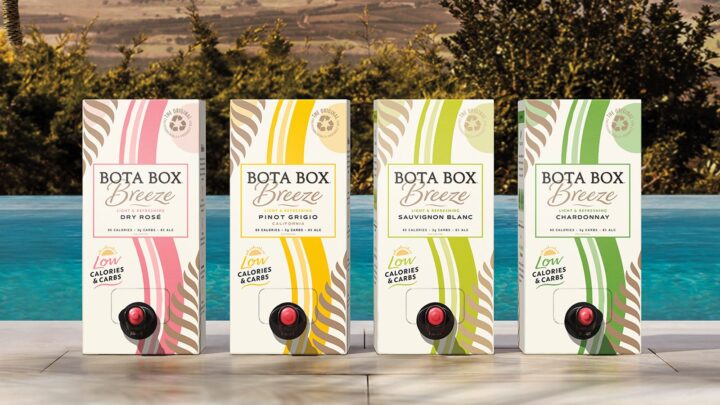
Bota Box Breeze, the top low-calorie brand by a significant margin, jumped 10.9% to 980,000 cases last year, according to Impact Databank. That’s more than triple the size of the next-largest competitor, Avaline. Andrew Blok, marketing director for the Bota Box portfolio at Delicato Family Wines, says the category is evolving and has seen a wave of new brands over the past three years. “Now, as the category continues to take shape, established brands with broad consumer appeal are standing out,” Blok says. “Bota Box Breeze is a good example of this. Having entered the category early, it continues to grow and gain share as shoppers gravitate toward brands they know and trust. You tend to see this happen in any hot new category—early momentum drives a wave of new brands, then over time, entry slows and attention shifts to the brands that consistently deliver the quality and benefits consumers are looking for.”
Beyond Discovery
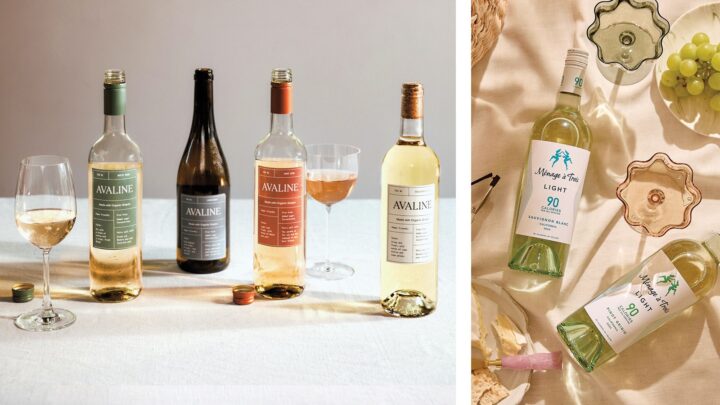
In fact, marketers say any slowing in the low-calorie wine category can be attributed to a settling down of the new product and new trial activity seen in recent years. “What looked like a spike was really a discovery phase, and now the category is maturing,” says Jennifer Purcell, CEO of Avaline, a wine line made with organic grapes and no added sugars. Avaline had a stellar year in 2025, with depletions jumping 49.3% to 319,000 cases, according to Impact Databank. Demand is still very much intact, but it’s evolving, Purcell says, noting that consumers “want wines that feel intentional and aligned with how they’re living overall.”
In fact, several marketers point to the prevalence of “intentional drinking” and the place lower-calorie, lower-alcohol wines capture within that practice. “Our proprietary research of 600 better-for-you wine consumers in 2025 showed that the top occasion for these consumers is relaxing at home alone,” says Heidi Scheid, executive vice president at Scheid Family Wines, makers of low-calorie wine brand Sunny With A Chance of Flowers.
“They’re looking for personal moments of pause and reset,” Scheid says. “Today’s consumer is redefining what indulgence looks like in those ‘unwind’ moments. It’s about balance, moderation, and feeling good both in the moment and the next day.” She adds that lower-alcohol wines allow 33consumers to maintain that ritual of enjoying wine while staying aligned with their wellness goals. “We find that this resonates especially with Millennials and legal-drinking-age Gen Z consumers, but it’s increasingly universal across age groups,” she says.
Perris Fiori, vice president of marketing at Ste. Michelle Wine Estates, which offers both Liquid Light and Chateau Ste. Michelle Light, agrees that light wines appeal across generations but adds that motivations may vary. “Liquid Light resonates with consumers looking for a lighter, refreshing wine experience that fits into a moderation-forward lifestyle without sacrificing taste or quality,” she says. “We’re seeing interest across generations, but for different reasons. Older consumers often come to the brand from a calorie and health-conscious mindset, while younger drinkers view it as something that feels well-suited to everyday occasions.”
Most “light” or lower-calorie wines resonate primarily due to their calorie count, marketers say, but other attributes, including lower alcohol, zero sugar, and zero carbs, also play a role. Treasury’s Bakx says internal company data shows equal motivations for low-calorie and low-abv options. “What we’ve determined is that in the aisle, the first place consumers look is the abv,” she says. “In their mind, that is the first signal, but it’s quickly followed up by a search for a caloric call-out. It’s something that we’re intentional about. We make sure that the abv is very visible, but we also want to call out the 80 calories on Matua Lighter, because they really do go hand in hand.”
At Chateau Ste. Michelle, the lower-calorie attributes are front and center in communications with consumers. “Our research shows that abv is often confusing for consumers, including what’s considered high or low, and how it relates to calories,” Fiori says. “What resonates more clearly is low calories, particularly when paired with reassurance around flavor and quality. For Liquid Light, lower calories are achieved naturally, not through processing, and that distinction matters. While alcohol level plays a role in moderation conversations, calories are the more intuitive entry point for most consumers, especially when the wine still delivers on taste.”
The same is true for Trinchero Family Wine & Spirits, which offers Ménage à Trois Light and Seaglass Light in the low-calorie space. “What we see most consistently is that calories tend to be the primary entry point for consumers at shelf,” says vice president of marketing Brie Wohld. “Calorie transparency feels familiar and easy to understand, which is why we lead with that message prominently on our front labels and capsules. Lower abv then reinforces the benefit, especially for consumers looking to moderate.”
Light wines typically strive to deliver on multiple fronts, meeting varying consumer needs. “What we’ve found is that consumers expect all these elements together: zero sugar, fewer calories, lower alcohol, and great taste,” says Scheid. “One without the others isn’t enough, but in our research and ongoing pulse on trends, zero sugar seems to be of the highest interest for consumers and the attribute they look for first.”
Avaline’s Purcell maintains that moderation benefits like lower calories and abv matter, but they’re rarely the whole story. “Consumers are increasingly prioritizing transparency and ingredient integrity,” she says. “Education about what is in the bottle has resulted in an increase in consumer interest for organic wines, as consumers who did not realize this was a choice can now find them more easily and are willing to pay a premium, similar to other categories.”
At retail, consumers are incorporating light wines as part of a general health and wellness trend, says Nick Pascale, general manager of Pascale’s Liquors in Liverpool, New mwYork. “In our stores, something like Chateau Ste. Michelle’s low-calorie offerings do fairly well, but brands that built their identity strictly around dieting or calorie messaging—like FitVine or Skinnygirl—don’t seem to have the same traction they once did,” Pascale says. “At the same time, brands positioned around transparency and cleaner ingredients are gaining more interest. Avaline, for example, has been growing for us. In general, we’re seeing consumers respond more to organic, sustainably farmed, and ‘cleaner’ wines than strictly low-calorie or diet-focused brands.”
Brand Realignment
Other retailers also point to a shakeout in the category. Retailer Alex Masanotti, head buyer at Jersey City Buy-Rite and Gary’s Buy-Rite in Wayne, New Jersey, says full saturation hasn’t happened yet because “while the market is getting saturated with brands, it’s also weeding out brands that don’t have the quality to support them,” he says.
Masanotti notes that these brands are not only competing with each other, they’re competing with THC drinks that are flourishing. Ryan Oehmsen, co-owner and director of wine and spirits of New Jersey’s White Horse Wine and Spirits, also notes the competition. He says sales of both low-calorie and alcohol-free wines have slowed in his store after initial excitement a few years ago. “THC sales are through the roof right now, and people are turning to those products in a lot of different ways because they believe they’re a better alternative,” he says.
Retailers as a group are still enthusiastic about the category, Blok maintains. “We’re seeing retailers build out designated low-cal, no-alcohol, and better-for-you wine sections and clearly merchandizing these as a category,” he notes.
Impact Databank estimates for 2025 reflect category evolution. While some leading brands again turned in double-digit increases in 2025—including category leaders Bota Box Breeze, Avaline, Matua Lighter, and others—and some had more modest gains, select other low-calorie brands struggled to keep pace.
Wohld of Trinchero Family Wine & Spirits, says the overall category is “moving into a more natural phase of growth and refinement, which is expected for emerging segments. “As retailers become more selective, momentum is increasingly consolidating around established, trusted brands rather than standalone novelties,” she says. “That favors brands like Ménage à Trois and Seaglass, where consumers already have confidence in quality, taste, and consistency.”
In fact, marketers say the parent brand “halo” is powerful. Bota Box Breeze built on the success of Bota Box and continues to drive the low-calorie category. Blok says Coppola Diamond Collection Vibrance, a low-calorie, low-alcohol, and low-carb line extension introduced in 2024, is pacing well, surpassing $1 million in sales across Circana-tracked channels. “That growth demonstrates that consumers are looking not just for lower-calorie or lower-alcohol options, 35but also for recognizable varietals from trusted producers in a super-premium price tier,” he says.
Butter Light, the low-calorie counterpart to Butter Chardonnay from John Anthony Wine & Spirits, was launched in 2025. John Truchard, founder of Butter Wines and CEO of John Anthony Wine & Spirits, says the success of Butter Chardonnay has paved the way. “On the trade side, we have strong partnerships with both our distributors and retailers, and we’ve successfully grown Butter together over the last decade-plus,” Truchard says. “As we’ve innovated and extended Butter we’ve consulted with them along the way and shown our commitment to products that taste great at the right price point. They know we’re in this together. On the consumer side, Butter has a huge base and we [promoted] first across our digital channels, where people are highly engaged. Consumers love that we’re bringing them new products under the Butter label: alcohol levels, formats, and varietals. It shows we are paying attention to their changing needs and that we know we have to continually earn their loyalty.”
The lack of a full-calorie parent brand isn’t a detriment for some brands. Avaline is a prime example. The brand, created to bring transparency to the fore, is made with organic grapes and is free from added colors, concentrates, and unnecessary sugars. The messaging clearly resonates with consumers and the brand has grown exponentially since its launch in 2020. “Avaline has been growing significantly, driven by consumers who connect with our ingredient transparency and organic wines,” says Purcell. “We’re also seeing occasions shift; people are reaching for Avaline not just as a substitute, but as their go-to wine for weeknights, social gatherings, and celebratory moments.
“That shift is reflected in the success of our low-sugar Prosecco, which we introduced in November 2025,” she adds. “It became the fastest-selling single-bottle launch in Avaline’s direct-to-consumer history based on unique customers in its first 30 days. More than one in three purchasers have already returned to buy again, underscoring strong repeat behavior and demand for lighter, more intentional options.”
Sunny With A Chance of Flowers has also gained a consumer following based on a range of wellness-focused attributes. “The expectation is that the wine delivers across the board: It has to taste great, be naturally made, and align with broader wellness preferences,” says Scheid. “That’s been core to Sunny from the beginning. We set out to create a wine that has zero sugar, 85 calories, 9% alcohol, and is sustainable. But most importantly, one that is delicious.”
Part of the appeal is the brand’s positivity, adds Scheid. “From the beginning, Sunny has been about more than just what’s in the bottle. It’s about how the brand makes you feel. It’s rooted in optimism, from the name to the packaging, to the affirmations on every bottle.” She says depletions and distribution continue to expand, particularly with Sunny Pinot Grigio, which launched in 2024.
For Liquid Light from Chateau Ste. Michelle, “we focus on transparency and quality, clearly communicating what the wine is and how it’s crafted to deliver a refreshing, flavorful experience. We emphasize that Liquid Light achieves its lower calories naturally in the vineyard, rather than via manipulation during the winemakingprocess, which has become an important part of both the wine’s story and its appeal,” says Fiori.
Of course, the producer also has a light variant of the Chateau Ste. Michelle line, which Fiori says delivers a wine that is both lower in calories and lower in alcohol, all while staying true to the classic Washington varietal style. She notes: “As consumers choose lighter options either for moderation or specific occasions, we believe wines that lead with flavor, transparency, and quality first will continue to find an audience.”