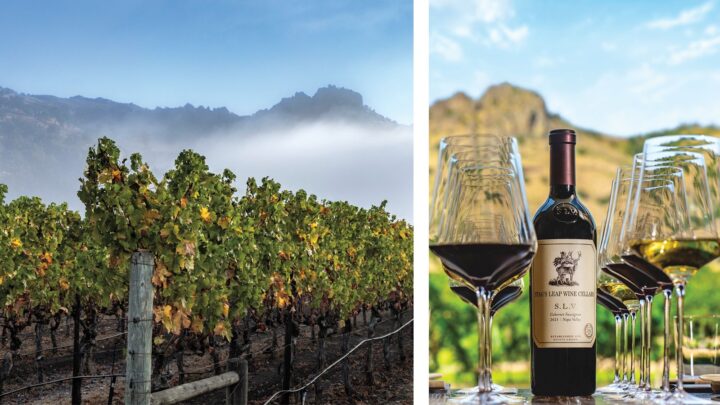
Several years ago, when Caymus Winery co-founder Charlie Wagner was still alive, it was typical for him to grab a bottle of the Napa winery’s iconic Cabernet Sauvignon for the family’s lunch. But at some point, that tradition stopped, says Chuck Wagner, who co-founded the winery with his parents Charlie and Lorna. “It was a day when the price of Caymus Cabernet went from $36 to $60,” Chuck recalls. “We stopped drinking it [regularly] ourselves—we would drink other wines for lunch. We just wanted something simple, it didn’t have to be luxury.”
That move into the luxury tier has been a boon for many Napa Valley wines—particularly Cabernet Sauvignons—for decades, and for many, it remains so. But with a challenging economic environment, elevated quality wines coming from other California wine regions, and a new consumer demographic with its own set of values and aspirations, the region’s wineries are under intense pressure. Demand is down, and while wine demand in general has historically been cyclical, the outlook for Napa is challenging.
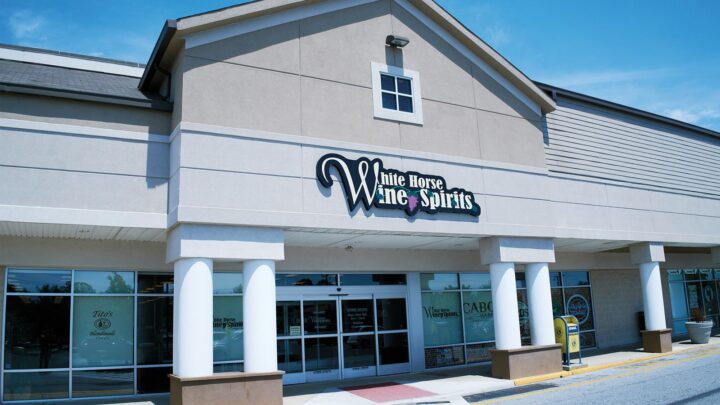
Retailer Ryan Oehmsen, co-owner and director of wine and spirits at New Jersey’s White Horse Wine and Spirits, suggests Napa producers need to “come back down to reality a bit and make more affordable wines using the same practices and standards they used to build the brands. Wine prices are all over the place right now, and we’re living in a time where other California regions are becoming more attractive because of their price points and quality. Napa and Sonoma need to become more competitive again, in my opinion.”
Cindy Leonard, executive vice president and general manager of the fine wine division at Southern Glazer’s Wine & Spirits, says demand remains healthy in the $20-$50 range, particularly in retail. “This tier hits a sweet spot: recognizable AVAs, trusted brands, and elevated quality without the luxury tier pricing,” she says. “Data indicates that growth, although modest, is coming from this price segment. Even higher income households are being more conscious of spending, and the $30–$60 category offers smart luxury without financial overreach.”
Ole Thompson, commercial manager at Seattle’s Cherry Hill Wine & Spirits, a boutique wine distributorship, also touts value. “It’s not that there are not still people willing to pay higher prices, but value seems to be a more important part of the purchasing decision,” he says. “Many customers want the prestige and familiarity of Napa or Sonoma, but the average bottle price in those regions can be intimidating. Wines under $60 are easier to take a chance on or justify drinking when it isn’t a special occasion.”
An Entry Point
Given the current environment, some producers are trying to become more competitive, as Oehmsen suggests. Napa Valley is an iconic wine region, and seasoned wine consumers know and understand the depth of quality that many wineries in the region can deliver, but newer consumers may not immediately gravitate to $100-plus, or even $50-plus wines. The region’s name has less resonance for them and, in many cases at that price point, their pocketbooks don’t have the wherewithal for exploration on a broad scale.
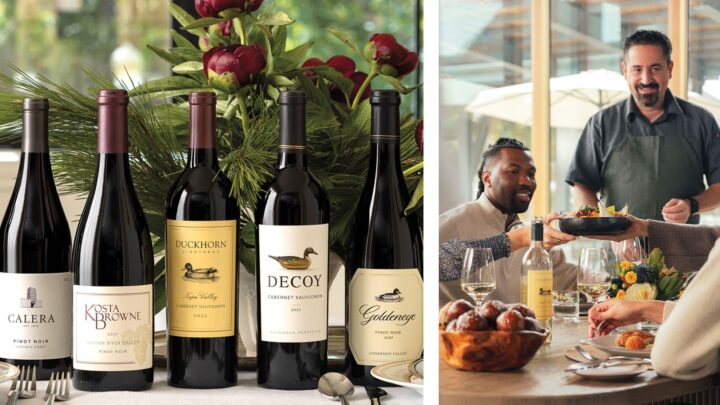
“We know that as new wine drinkers explore our portfolio, it is crucial to deliver quality at every price point,” says Robert Hanson, CEO of The Duckhorn Portfolio. “New drinkers tend to work their way up the luxury ladder, so it is critical to impress them at the beginning of their exploration, which for us is often through Decoy. With that in mind, we just released a Decoy Limited Napa Valley Cabernet Sauvignon to market at $35.”
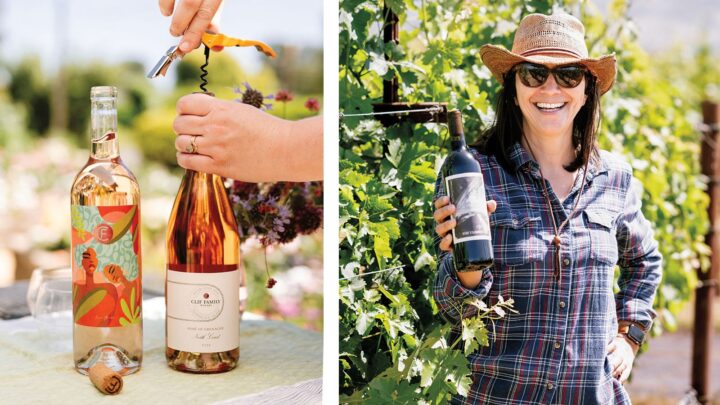
Napa’s Clif Family Winery & Farm has a range of white, rosé, and red blend wines at the sub-$50 price point, providing an entryway for new consumers, notes winery president Linzi Gay. “Napa carries global recognition, but it can also feel financially out of reach,” she says. “When consumers discover a Napa wine in the $30–$50 range that delivers both quality and a story that they can identify with, it resonates strongly.”
Stag’s Leap Wine Cellars has a similar approach. Estates director Juan Muñoz-Oca says wines in that $30-$50 range “offer an accessible way to experience the character of the region. At Stag’s Leap Wine Cellars, Karia Chardonnay and Aveta Sauvignon Blanc exemplify this—wines that deliver the balance, freshness, and sense of place Napa is known for, while serving as an entry point into our broader portfolio of iconic wines,” he says.
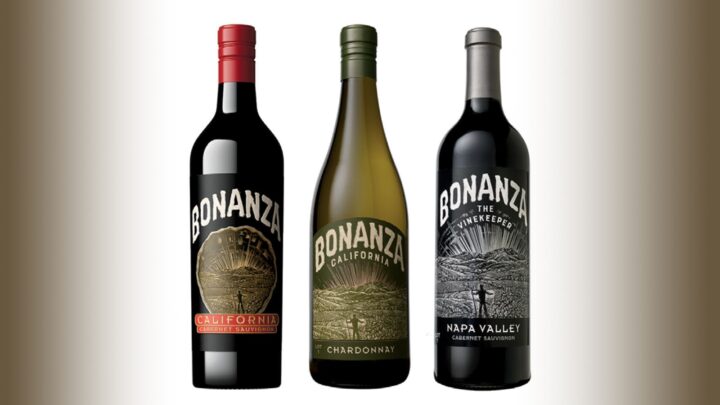
Wagner also sees the need. While Caymus pricing remains firmly in the luxury tier, another Napa winery within the Wagner Family of Brands portfolio delivers Napa wine—including Cabernet Sauvignon—at lower price points. Bonanza California Cabernet and Bonanza Chardonnay carry a suggested retail price of $20 a 750-ml., while Bonanza “The Vinekeeper” Cabernet comes in at $34. Wagner says the price point allows consumers a taste of quality Napa wine that can be drank daily or weekly, not just as a special occasion wine.
Retailers say a sub-$50 price point has immediate resonance. “Anytime we have a Napa Valley Cabernet on the shelf under $40, customers tend to jump on it and are at least willing to give it a try,” says Nick Pascale, general manager for Pascale’s Liquors in Liverpool, New York. “Napa carries a strong reputation, so when shoppers see an entry point that feels attainable compared to typical Napa pricing, it immediately grabs their attention and drives trial.”
Brandon Warnke, vice president of operation for New Jersey’s Wine Library, agrees that price is a driving force. “There is often an edge for certain brands although we have seen many customers discover new wines who have discounted their pricing into that $30-$60 range who may not have normally purchased those wines at a higher price,” he says. As for brands that live in that price band regularly, “oftentimes, it comes with an expectation of some form of discount,” he notes.
Alex Masanotti, head buyer for Jersey City Buy-Rite and Gary’s Buy-Rite in Wayne, New Jersey, says wines with the strongest sales in the sub-$50 price range are the more established national brands, such as Mondavi, Raymond, Stags’ Leap Winery, Duckhorn, and Louis Martini. Others can gain trial with an attractive price tag. “A reasonably priced wine from the region certainly resonates with the first purchase,” Masanotti notes. “However, there are many brands that have style over substance or marketing over quality, so the second bottle sale is not always a guarantee. As a buyer it is increasingly difficult to find quality in the region at an attractive price point.”
Beyond Pricing
Wagner also suggests something that could be disruptive to some Napa producers. “Maybe Napa isn’t so important to this new consumer,” he says. “I think many new consumers probably couldn’t care less about whether a wine comes from Napa or elsewhere. It’s about something they like that they can afford, that they can share proudly with their friends. They also might want something different than what their parents were drinking.”
Newer consumers also may not feel included in the aura that surrounds the Napa Valley region. “The industry should actively work to diversify who sees themselves in the Napa story,” Muñoz-Oca says. “There has been a lot of progress in changing the way wine has been gatekept by language, imagery, and assumptions about who belongs, but I think we need to continue to invite a much broader audience.”
Wagner puts it more bluntly. “I think the market [is showing that consumers are] wanting to know less about every persnickety thing when it comes to wine, whether it’s their particular terroir, rocky soils, the clone, whatever it is,” he says. Such language feels inclusive only to those who truly understand wine while alienating others, he maintains.
“Those who are newer to wine need the intimidation factor brought way down,” agrees Gay. “That means demystifying wine language, focusing on lifestyle occasions rather than the technical specifications of a wine, and offering versatile wines that fit into everyday moments—not just celebrations. We’ve found that storytelling around farming, food pairings, and community creates a more accessible entry point than leaning solely on scores or prestige.”
Paso Robles Rolling In
Napa isn’t the only wine region feeling the squeeze these days, of course. Wine consumption is down overall and, with an aging demographic base, the industry is scrambling to attract new consumers. But while all may be mwstruggling, some are struggling more than others. For producers in Napa and Sonoma, the challenge is to ensure the cache they’ve built over the past several decades translates to the next generation, and it’s a challenge.
“Younger and newer consumers do respect Napa and Sonoma, but their relationship with these regions is different, as they know these areas are known for quality and trusted familiar labels and varietals,” says Leonard. “We find that newer wine customers don’t automatically gravitate towards traditional regional wines and prefer a more exploratory, experience-oriented approach.”
Thompson agrees, noting that “Napa and Sonoma are aspirational but not always the everyday purchase” for many newer consumers. “Newer wine drinkers still recognize Napa and Sonoma as benchmark regions, largely because of their reputation and visibility in restaurants and retail,” he says. “However, they may be less tied to the regions themselves and more open to exploring other areas that offer similar styles at lower prices.”
Retailers suggest that for a variety of factors—price, of course, but also taste profile, messaging, and other reasons—Napa, and to some extent Sonoma, are being eclipsed by less pricey and in some cases more innovative winegrowing regions, particularly Paso Robles. While true Napa Cabernet can be difficult to source consistently in the $30–$60 range, we’re seeing a lot of success with wines from regions like Paso Robles that deliver similar style and value,” says Pascale. “Interestingly, the $40–$60 California Cabernet category hasn’t been as strong for us—most of our sales tend to cluster either below that range or jump to higher-end Napa bottles above it.
“In my opinion, a lot of Napa Valley Cabernet has become overpriced relative to what it delivers in the glass,” he continues. “Just because a wine comes from Napa doesn’t automatically justify the price point. For many consumers, especially those exploring wine more seriously, it’s often worth looking beyond Napa and trying other regions and price points. Places like Paso Robles and other California regions can offer outstanding quality and value, and many drinkers end up just as happy—if not happier—discovering those alternatives.”
Oehmsen agrees, noting that while Napa resonates with seasoned wine consumers such as himself, it hasn’t captured the new generation of consumers in the same way. “When I was 21, Napa and Sonoma were much more affordable,” he says. “I’m from the days when Mondavi Napa Cabernet was $20 on the shelf, whereas now it’s $50. For new wine consumers, it’s not that they won’t try Napa or Sonoma wines, but they tend to view them more as special occasion purchases. The affordable wines coming out of Paso Robles seems to be driving the market right now, and their taste profiles reflect what the younger generation is looking for.”
Retooling For The Future
Given the market dynamics, some marketers are connecting with consumers in new ways. Hanson, for example, says Duckhorn is leveraging its 50th anniversary this year. The winery is rolling out a “robust, fully integrated marketing campaign that leverages partnerships, media, and storytelling to invite new and existing consumers alike to experience our portfolio of acclaimed wines. A key component of that is 50 Stories, a digital storytelling initiative that offers a closer look at the people, places, and passions that define Duckhorn. We are also launching our Future 50 program, which highlights chefs, culinary leaders, tastemakers, and national influencers—connecting wine, food, art, and culture through original collaborations, content, and limited experiences.”
Another notable 50th anniversary is happening this year—the one commemorating Napa outscoring French wines in France. On May 24, 1976, at a blind tasting held in Paris, Napa’s Chateau Montelena and Stag’s Leap Wine Cellars outscored top French producers, establishing California, and Napa Valley specifically, as a quality wine powerhouse. Muñoz-Oca says the industry needs to capture the momentum brought by that commemoration.
“The 50th anniversary of the Judgment of Paris is the perfect moment for industry-wide reflection,” he says. “That moment wasn’t just about proving Napa had all the components of a great wine-growing region, it was about expanding what was possible. We should approach the next 50 years the same way, by honoring our heritage while actively inviting the next generation to discover what makes this region extraordinary. That means telling Napa’s story in new channels, partnering with diverse voices, and ensuring our wines are accessible in price, yet flawless.”