Tom Roughton, owner of Casanara in Brooklyn, New York, has been trying to get people to drink rum for over a decade now. “It seems like I’ve finally figured it out: The trick was just opening a Caribbean-inspired bar with over 40 rums on the shelf and four to five rum drinks on the menu,” he says with a laugh. “But in general, I think people are starting to see that rum can be made in ways that are just as interesting and showcase terroir the way a lot of other incredible spirits do. People have become aware of this in Tequila and mezcal and I think the curiosity is following them to other categories.”
Christopher Lowder, beverage director at The Shelborne By Proper hotel in Miami, agrees that there’s been a recent change in consumers’ perception of rum and rum-based drinks. “For a long time, rum cocktails were just sugar delivery systems—the rum itself didn’t matter. That’s completely changed,” he says. “Now, guests are paying attention to the spirit, not just the fruit and juice around it. A lot of that shift comes from the rise of Tequila, which trained people to appreciate complexity in clear spirits. This has been an awesome evolution for the whole category.”
Lowder adds that rum is especially popular in Miami but he’s seeing greater interest in the spirit everywhere. “It’s approachable, it has incredible diversity, and it overdelivers for the price—you can find world-class rum at a fraction of the cost of comparable whisk(e)y or Tequila, and people are starting to catch on,” he notes.
Roughton adds that he likes to think “the hard work of bartenders across the country and across the world” has had a hand in changing rum’s reputation for the better. Gabe Bowen, co-owner and beverage director at El Malo in Atlanta, shares this belief. “Rum isn’t inherently as popular as Bourbon or Tequila, but that’s changing: If bars carry even two or three well-made rums and can confidently guide guests through them, you start to see a shift. Once people have one or two positive experiences, their trust builds quickly,” he says. “But overall, rum is still growing— and it has a lot of room to become a much more prominent player in the cocktail space.”
Pushing Rum Forward
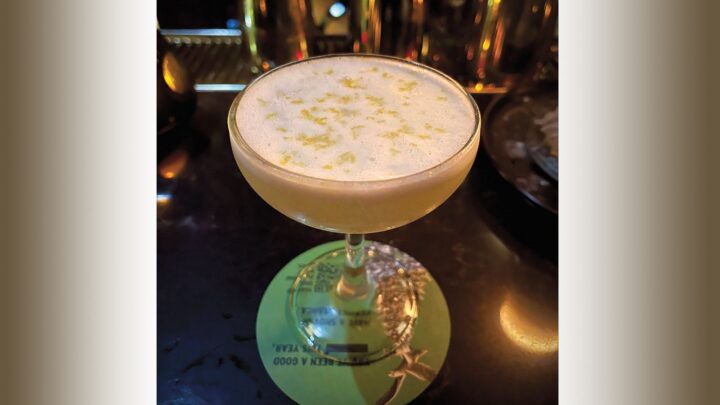
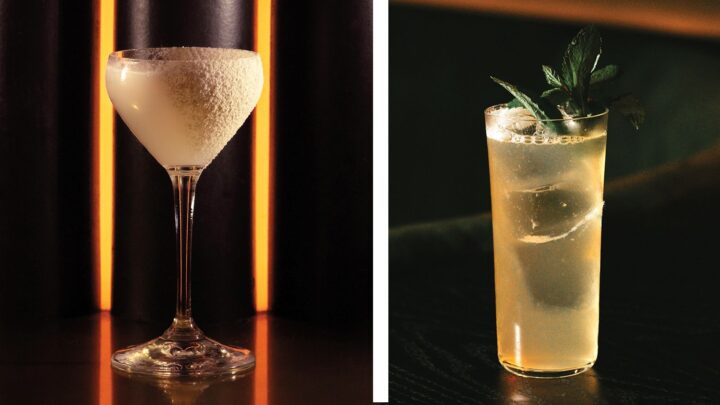
Though Bowen views rum as an underdog in the broader spirits category, he’s pushing for that to change. “We’re working hard each day to make sure it gets its time to shine,” he says, adding that when he and his business partner Omar Ferrer opened El Malo, they wanted to create a modern rum bar that highlights the spirit beyond the expected tiki cocktails. “Tiki culture has absolutely played an important role in keeping rum cocktails alive, and at its peak it even helped highlight a range of Caribbean rums beyond the major corporate brands,” he explains. “That said, rum has often been pigeonholed into a caricature of its true potential. It’s arguably the most diverse spirit in the world, yet it’s still commonly associated with overly fruity cocktails. What we’re seeing now—both here and at other bars globally—is a shift toward less sweet flavor pairings, with a stronger focus on showcasing the nuances of different production styles and regions.” At El Malo, Bowen’s Daiquiri Con Coco ($15), while a clear nod to the classic, is his own high-end take, featuring Oxbow Rhum Louisiane unaged agricole, Rhum Clément Mahina Coco coconut liqueur, lime juice, rich simple syrup, and saline, served in a glass rimmed with house-made toasted coconut and sugar powder.
“I think more consumers are starting to understand that when they order a Daiquiri, it doesn’t have to be this frozen concoction that comes out of a slushy machine, it can actually be this perfectly simple mix of rum, lime, and sugar,” says Casanara’s Roughton. “It’s honestly the best drink in the world.” Indeed, the classic Daiquiri and its inventive BOWENriffs showcase the beauty of rum without burying it under numerous sweet ingredients. At Baleia in Boston, bartender Colin Delaney’s Djarum Daiquiri ($15) blends Ten To One Caribbean White rum, Xicaru mezcal, Luxardo Maraschino liqueur, a house-made Lemon Hart 151 rum-based ginger and clove cordial, lime juice, and Fee Brothers Turkish Tobacco bitters. “The Djarum Daiquiri is a complex version of the Hemingway Daiquiri that’s built on combining rums from different countries—in this case, a Caribbean rum blend and a Demerara rum from Guyana,” Delaney says.
At Sugar Monk in New York City, head bartender Yordi Coyotecatl’s Lemongrass Daiquiri ($19) comprises equal parts Ten To One Caribbean White rum, Atheras Spirits Hierba Luisa lemongrass liqueur, and lime juice, plus demerara syrup, while the Original Sin ($20)—created by Sugar Monk co-founder Ektoras Binikos—mixes equal parts Dos Maderas 5+5 rum, Atheras Spirits Sykophilos fig leaf liqueur, and lime juice, plus demerara syrup and club soda. “Rum-based cocktails have gone from just being a tiki or beach tropical drink to classic cocktail riffs using modern techniques, house-made syrups, clarification methods, and house carbonated cocktails; however, we still treat classics like the Mojito, Daiquiri, and Piña Colada as the core canon,” Coyotecatl says.
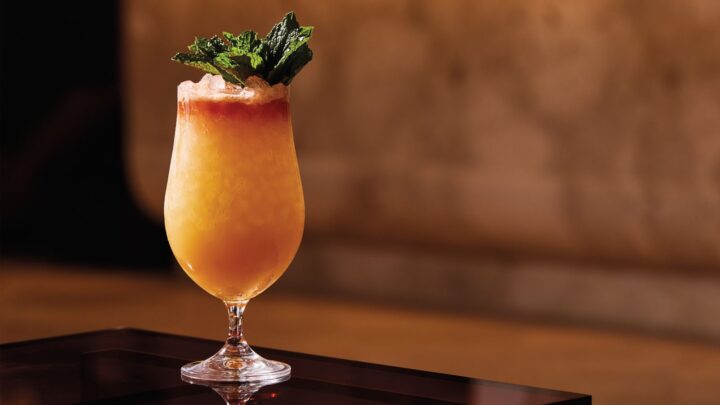
At Casanara, Roughton’s Brown-Eyed Bombshell ($16) is tiki-inspired but still modern, featuring Holmes Cay Réunion Island Rum Traditionnel, Faccia Brutto Plantia fernet, John D. Taylor’s velvet falernum, Beachbum Berry’s Latitude 29 Formula orgeat, and lime juice, topped with DIFEBOfresh grated nutmeg. “I feel like most cocktail bartenders go through a tiki phase and those that come out of it have this understanding of how to use rum in creative ways,” Roughton says. At the Shelborne by Proper, several of Lowder’s rum-based cocktails are similarly influenced by tiki culture through a contemporary lens. At the hotel’s The Bar, his Ginger Yuzu Swizzle ($22) comprises Bacardi Reserva Ocho rum; yuzu, lime, and orange juices; Liquid Alchemist Ginger syrup; and Angostura bitters, topped with fresh mint, while at The Pool Deck, his Sunset Chaser ($22) blends Banks 5 Island rum, Planteray O.F.T.D. rum, Luxardo Amaretto Di Saschira, pineapple and lime juices, and coconut cream, topped with fresh mint and pineapple. “Rum gives you more room to play than almost any other spirit,” Lowder says. “You can blend different rums together to build a specific flavor profile, layering funk, richness, or freshness. That flexibility makes it one of the most creative spirits to work with.”
Room To Play
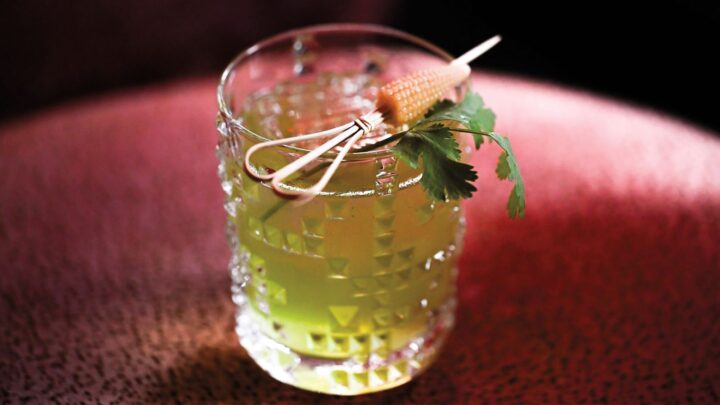
The more bartenders work with rum, the more they discover the spirit’s range and versatility. “When I started drinking and bartending, it was pretty much just Rum and Coke, Mojitos, and some Malibu—at some point, we all learned how to make good Daiquiris, and then learned of Hemingway Daiquiris, a litany of tiki cocktails, El Presidentes, and the like,” notes Mark Bystrom, manager at Salon Salon at the Maison Métier hotel in New Orleans. “Here in New Orleans, the Northernmost Caribbean city, we undoubtedly have that tiki influence, but we’ve learned that rum goes with everything: sours, spirit-forward drinks, and more.” At Salon Salon, the Green Thumb ($18) is a unique mix of Oxbow Small Batch White rum, Gabriel Boudier Crème de Melon Vert green melon liqueur, Nixta Licor de Elote corn liqueur, lime juice, house-made pineapple syrup, and fresh TKcilantro, while the Banana Negroni ($18) is a rum-based take on the spirit-forward classic featuring equal parts Hamilton 86 rum, Pairidaēza Crème de Banane banana liqueur, and Campari aperitif.
“Rum works beautifully with citrus, tropical fruit, spice, and herbal flavors like mint, but it also holds up in more spirit-forward formats—there’s no such thing as the wrong rum cocktail, only the wrong rum for that cocktail,” Lowder says. “We expect rum to continue gaining ground as people travel more and explore different cultures. It’s a category with deep history and a lot of personality, and that resonates with modern drinkers. I think we’ll see more rum in both refreshing Highballs and more refined, spirit-forward cocktails.” At The Shelborne By Proper’s Pauline restaurant, Lowder’s Lowtide Tonic ($22) blends Rhum J.M Agricole Blanc, Lustau Fino Sherry, Liquid Alchemist Falernum syrup, grapefruit and limes juices, fresh mint, and Fever-Tree tonic water, topped with fresh mint and grapefruit, while his Young Lassi ($22) comprises Santa Teresa 1796 rum, Lustau Brandy de Jerez, Giffard Apricot liqueur, lime juice, house-made lime leaf honey syrup, kefir, and coconut cream, topped with fresh mint, an edible flower, grated nutmeg, and bee pollen.
Roughton also notes that there’s a rum for any cocktail format—it’s just about finding the right rum. “Try some nice rums from Barbados, Jamaica, Guyana, or Martinique and explore how wide the flavor spectrum can be,” he advises. “With the right rum shelf, you can use rum to add all kinds of flavors to your drinks, including earthy, funky, grassy, aromatic, woody, and, yes, even sweet and spiced.” His Midnight Mirage ($16) features Smith and Cross Traditional Jamaica rum, Lustau Rosé vermouth, Licor 43, simple syrup, lime juice, and Bittermens Xocolatl Mole bitters, topped with fresh mint, an orange wedge, a brandied cherry, and fresh grated nutmeg.
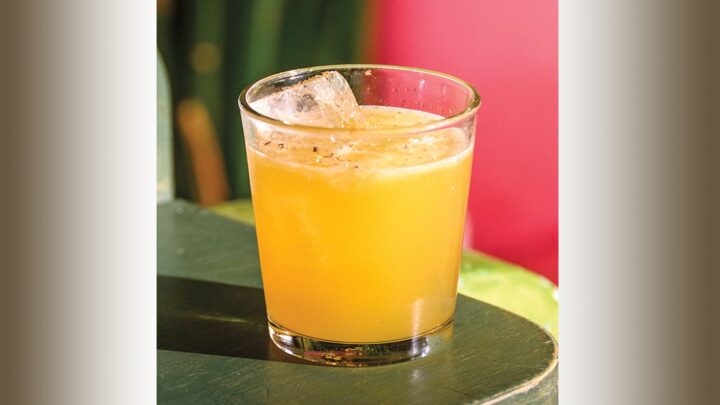
“There’s nothing else like rum; it’s produced all over the world, in completely different ways, yet it all comes from sugarcane, whether that’s juice, syrup, or molasses,” El Malo’s Bowen notes. “You can explore the fruity, funky esters of Jamaica or the intensity of wild fermentations in Haitian clairin. I’m POPEreally excited about what Oxbow rum is doing in Louisiana. They’re producing consistent, high-quality, flavorful rum and have something very rare: a full sugar mill. That means they can work with both fresh cane juice and Grade A molasses sourced locally. There are only a handful of distilleries globally that can do that, especially while also aging in Louisiana heat using charred new American oak. And on top of all that, the product is still accessible from a price standpoint. I can’t tell you how happy that makes me in 2026 as a small business owner.” Bowen features Oxbow Barrel Aged rum as the base of his Yuzu Highball ($15), which also includes house-made yuzu shrub and Choya Yuzu soda, topped with fresh mint.
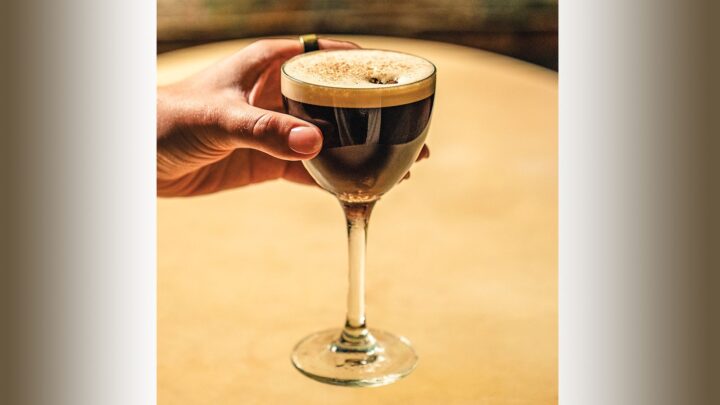
“Rum has always been an underutilized spirit that holds so much character—some are clean and light, great for a classic Daiquiri on a patio, while others bring intensity and body and can easily replace whisk(e)y in an Old Fashioned or Manhattan,” Baleia’s Delaney says. “For our spirit-forward drinkers, we offer the Madeira de Deus. This drink focuses on one specific rum, Worthy Park 10-year-old Madeira Cask, and the influence of the Portuguese fortified wine Madeira. Worthy Park is based in Jamaica and offers some great sipping rums.” The drink ($26), which Delaney created, comprises equal parts Worthy Park 10-year-old Madeira Cask Jamaica rum, Rare Wine Co. New York Malmsey Madeira, and Tempus Fugit Gran Classico Bitter aperitif. The Mazagran Martini ($16), meanwhile, features equal parts Planteray Cut & Dry Coconut rum and Tempus Fugit Crème de Moka coffee liqueur, plus fresh espresso, house-made mint syrup, and Regans’ No. 6 Orange bitters for a rum-based take on the Espresso Martini created by John Benevides, bar director for Coda Restaurant Group, which owns Baleia.
Also a take on the Espresso Martini, the Que Lo Que ($18) at The Sylvester in Miami blends Ron Zacapa 23 rum, Mr. Black cold brew coffee liqueur, cold brew concentrate, house-made orgeat syrup, and pineapple Greek yogurt. The cocktail was created by bar manager Rensel Cabrera. “Don’t get me wrong, rum shines with Coke, in a Mojito, or a Piña Colada, but lately, people are realizing how much depth rum actually has and you’re seeing it pop up in things like Old Fashioneds, Negronis, and even Espresso Martinis,” Cabrera says. “What I love most about rum is the range; you can get everything from light and crisp to rich and complex depending on the brand you’re using. The world is your oyster with rum.” The Only In Dade ($19)—by bartenders Chris Dowd and Robert Romero—is a clarified mix of Ron Zacapa 23, house-made guava syrup, and lime juice, topped with a house-made mascarpone cream cheese foam and grated puff pastry.
Looking ahead, bartenders are hopeful about rum’s future at the bar. “I believe people will drink fewer sweet rum cocktails and really treat rum as a premium base spirit, enjoying it in cocktails that highlight the spirit itself,” Cabrera says. Echoing this sentiment, Bowen believes that knowledge of rum’s versatility in cocktails will continue to spread. “Once more people catch on, it’s only a matter of time before modern rum cocktails become standard on every menu,” he says.